


Supplier Risk Management When Importing from China: A Real Procurement Case

How a Long-Term Supplier Became a Risk: Lessons from a Real China Procurement Dispute
A supplier can deliver good products for years and still become a serious business risk.
This is something we learned through a real procurement dispute involving a repeat order from China. The supplier was familiar, previous orders had been completed successfully, and there was no obvious reason at the time to expect a major problem.
However, the supplier’s business condition had changed. When the next order arrived, the products did not meet the agreed specifications. What initially appeared to be a product quality dispute eventually developed into a lengthy legal dispute.
The order was worth approximately RMB 40,000. The time, financial exposure and management effort involved in resolving the problem were considerably greater than we had anticipated.
For overseas importers, this case highlights an important point: supplier reliability is not permanent. A supplier who performed well in previous years still needs to be evaluated based on their current condition.
A Real Procurement Case: When a Long-Term Chinese Supplier Became a Risk
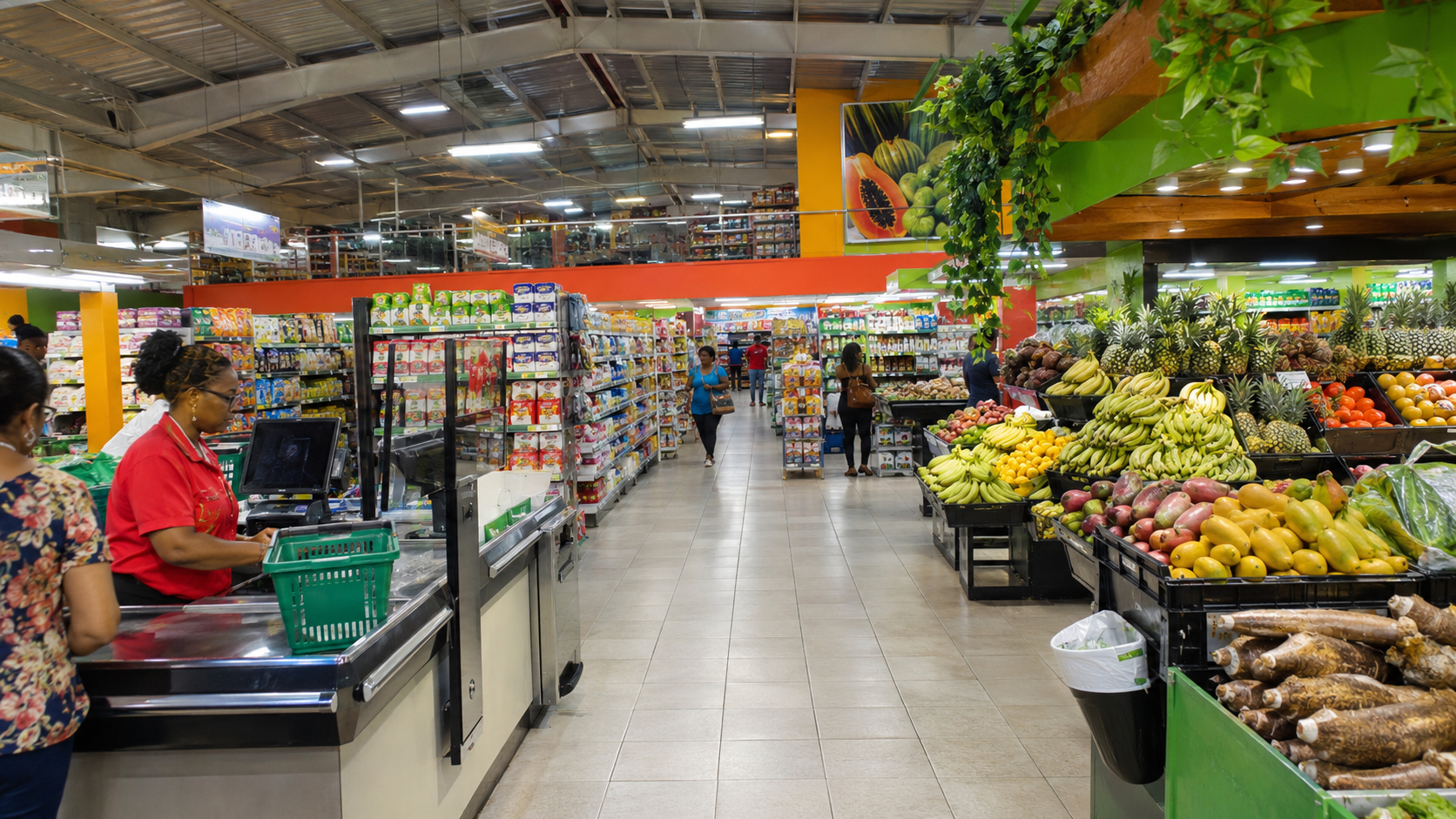
The client was a supermarket buyer in Trinidad and Tobago. The business regularly sourced products from China for resale through its retail operations.
The order involved dried mushrooms, and it was not our first cooperation with the supplier.
We had worked with this supplier for several years and had completed multiple purchases before. Previous cooperation had been relatively stable, so the supplier was already familiar to our team.
For this repeat order, the customer expected the same product quality and consistency as before.
One important requirement was the size of the mushrooms.
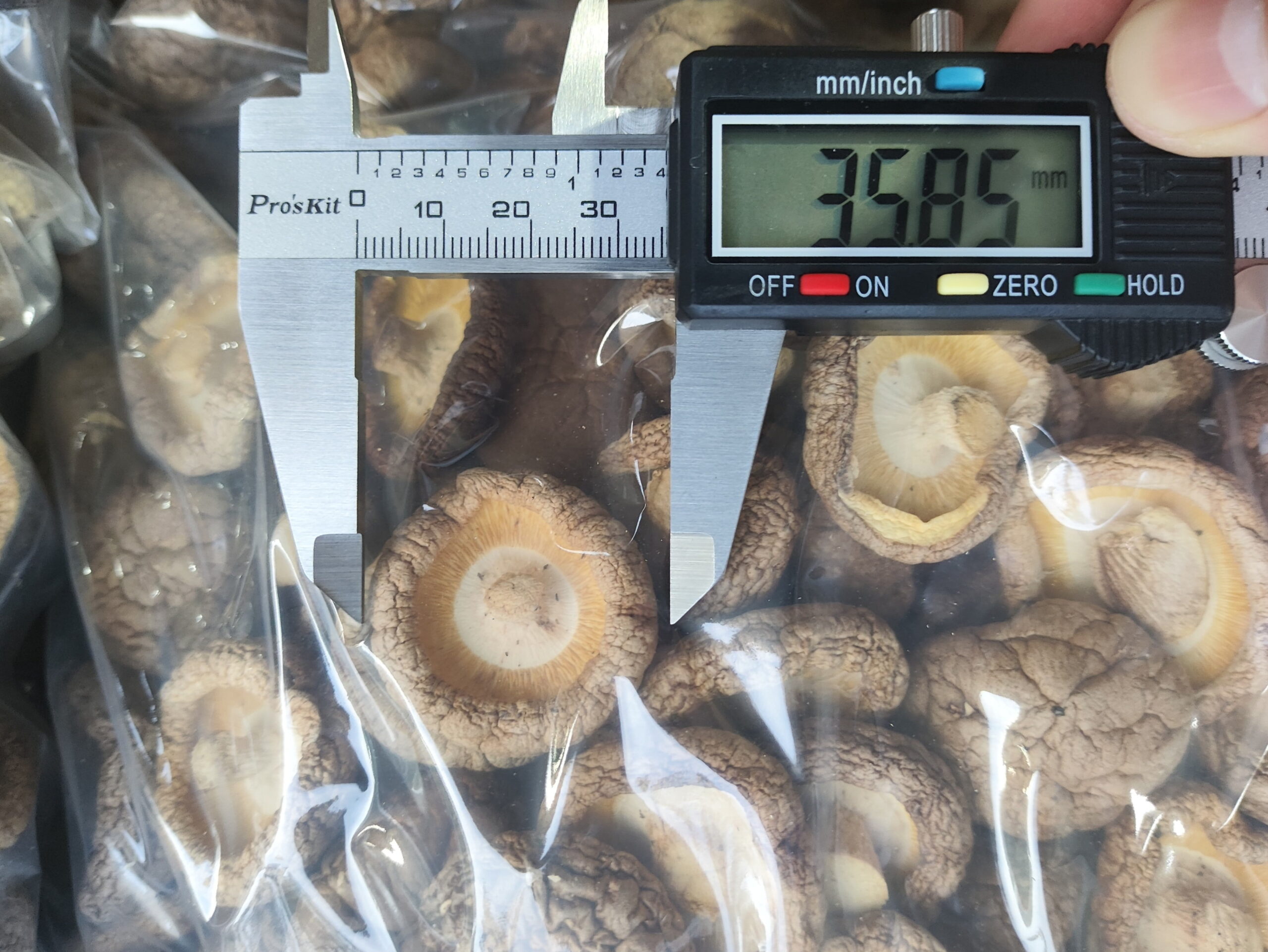
The agreed specification was approximately 3–4 cm. This mattered because the products were intended for supermarket retail, where appearance, size and consistency directly affect how goods are presented and accepted by customers.
At the time, we considered the supplier an established partner.
Looking back, that was where our risk-control process was not sufficiently thorough.
We relied too heavily on the supplier’s previous performance and did not conduct an updated review of its latest business, legal and financial condition before placing the order.
What Went Wrong With the Delivered Products?
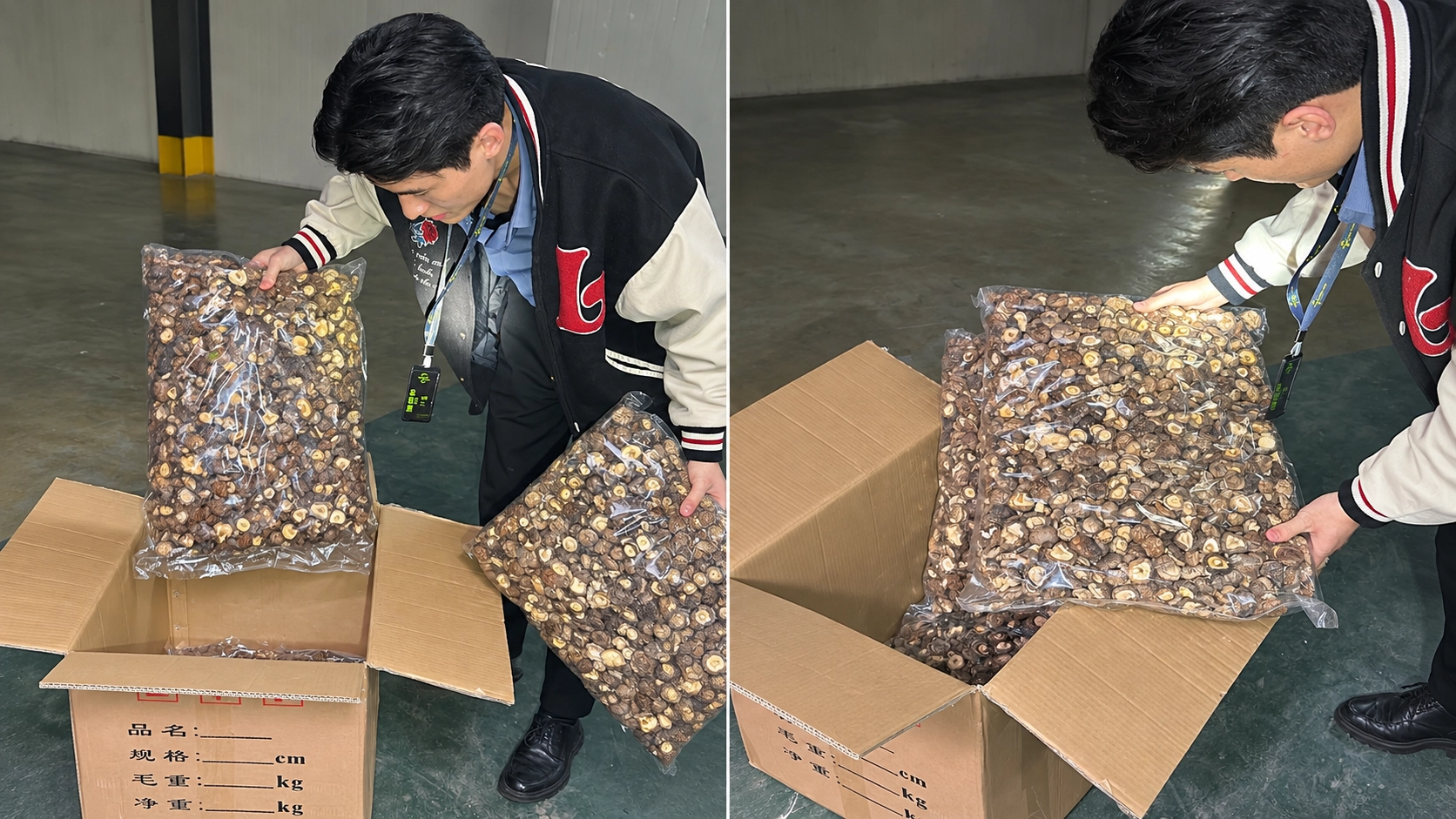
After the goods were received, we discovered a significant difference between the agreed specification and the actual products.
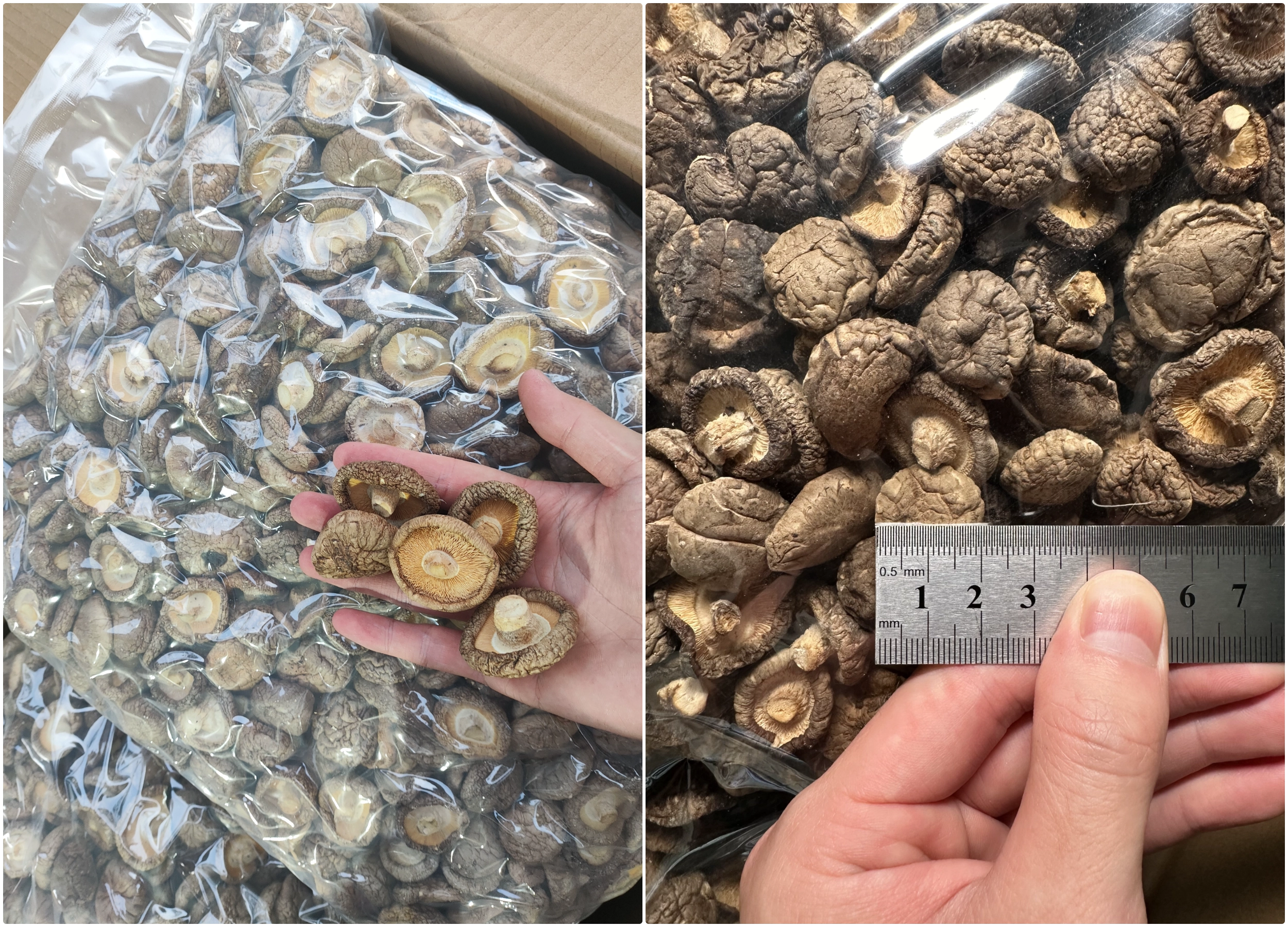
The expected mushroom size was approximately 3–4 cm. However, a large proportion of the delivered mushrooms were only around 1–2 cm.
There were also concerns about their appearance and freshness. Compared with the expected quality, the products looked older and less fresh.
This was not simply a minor difference in appearance.
The customer was purchasing the mushrooms for supermarket retail. Products that did not meet the agreed size and quality requirements were not suitable for the intended retail standard.
We raised the issue with the supplier and requested a resolution.
However, the supplier did not accept responsibility for the quality problem. Instead of reaching a straightforward commercial agreement, the disagreement continued and eventually developed into a legal dispute.
At that point, we were no longer dealing with an ordinary product complaint.
We were facing a situation in which a supplier that had previously completed orders successfully was unwilling to take responsibility for a new order that did not meet the confirmed requirements.
The Bigger Problem: We Had Not Rechecked the Supplier
As the dispute became more serious, we conducted a deeper review of the supplier’s current business and legal situation.
What we discovered was concerning.
The supplier’s condition had deteriorated significantly compared with the earlier years of cooperation.
Our subsequent review identified several serious warning signs, including:
- Enforcement-related records.
- Multiple lawsuits and legal disputes.
- Debt-related disputes.
- Financial difficulties.
- Signs of deteriorating business conditions.
These findings changed how we viewed the situation.
The original problem was a product specification dispute, but the deeper issue was that we had continued treating the supplier as a reliable long-term partner without sufficiently checking whether its current business condition still justified that trust.
It is important to distinguish between the two issues. We cannot establish that every financial problem directly caused the product mismatch. However, the supplier’s deteriorating condition was a serious warning that should have been identified earlier.
A supplier’s historical performance is useful information, but it cannot replace current due diligence.
A company may have been financially stable several years ago and may have completed many successful orders. That does not mean its current financial position, management, production arrangements or ability to fulfil commercial obligations remain unchanged.
Supplier risk is dynamic. It needs to be monitored, not simply assessed once.
How We Protected the Customer During the Dispute
One decision we made was particularly important.
We did not want the supermarket customer to bear the entire burden of waiting for the supplier dispute to be resolved.
The legal process was taking considerable time. It involved repeated dispute handling and appeals, extending over many months.
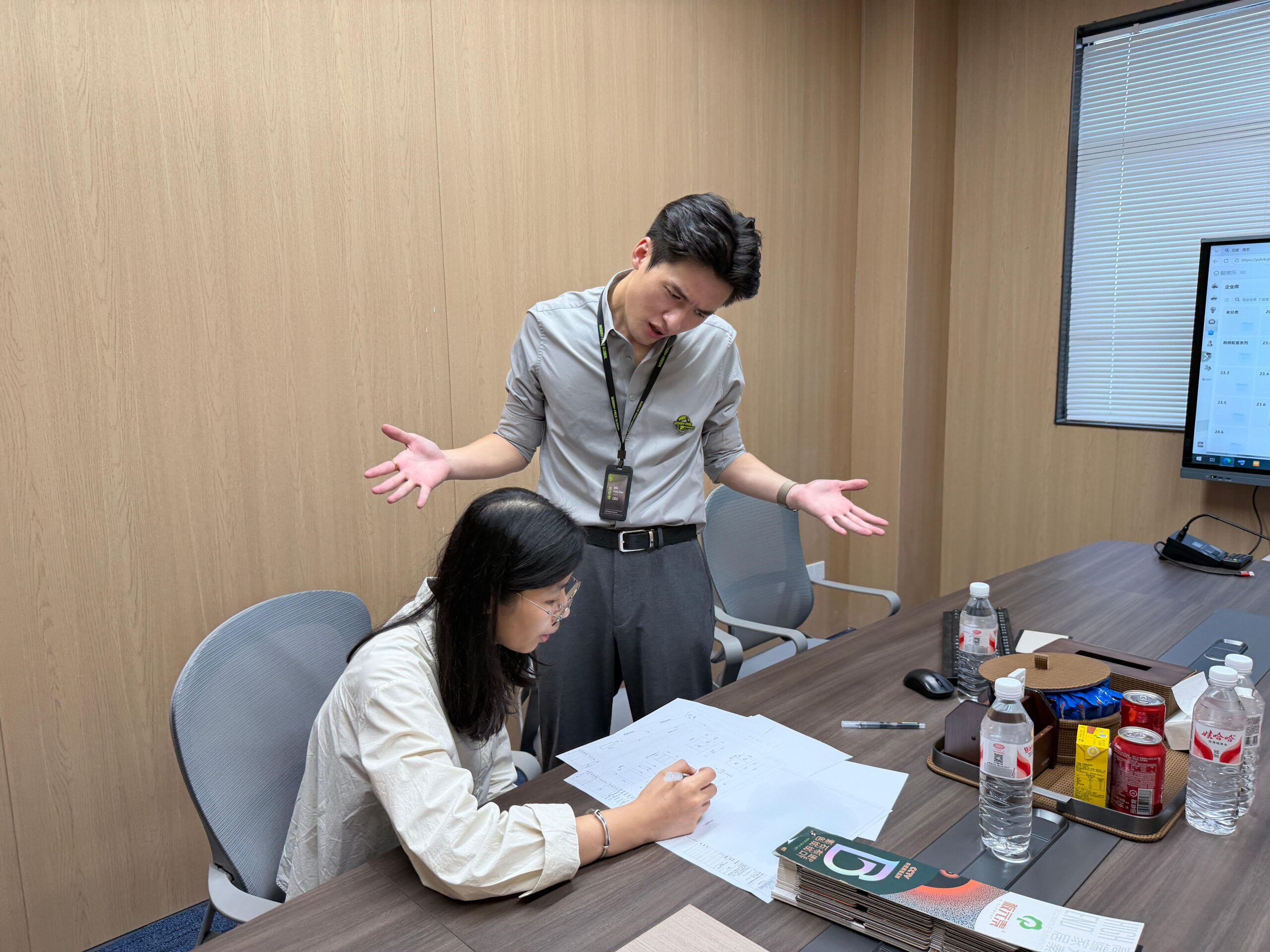
Rather than making the customer wait until the entire process was completed, we advanced the relevant amount to protect the customer relationship and address the immediate financial impact.
We then continued pursuing the supplier separately.
The dispute was eventually resolved, but the experience came with costs beyond the original order.
These included:
- Financial exposure and customer compensation.
- Legal and dispute-handling expenses.
- Time spent communicating with the supplier.
- Management resources diverted from other projects.
- Additional work that could have been avoided through better supplier verification.
The original order was approximately RMB 40,000. Yet the overall burden of managing the dispute was far more complicated than the purchase value alone would suggest.
This is an important lesson for importers.
Supplier risk should not be measured only by the value of an individual order.
Even a relatively small purchase can create substantial indirect costs when a supplier becomes unreliable and refuses to take responsibility.
What We Changed in Our China Supplier Risk Management Process
This experience changed how we evaluate and manage existing suppliers.
Previously, supplier verification was naturally more focused on new suppliers. We now pay much closer attention to the condition of suppliers with whom we already have a history of cooperation.
Here are the main areas buyers should consider.
1. Recheck Existing Suppliers, Not Just New Ones
Many importers spend considerable time researching a new factory before placing their first order. However, once the relationship becomes established, they may gradually stop checking the supplier’s background.
This creates a blind spot.
For important repeat orders, supplier verification should be revisited, especially when:
- A significant amount of time has passed since the previous order.
- The order value has increased considerably.
- The supplier’s communication or payment behaviour has changed.
- Product quality or delivery performance has become less consistent.
- The company has changed its ownership, management or operating arrangements.
A previous successful order should be treated as part of the supplier’s history, not as a guarantee of future performance.
2. Check the Supplier’s Current Legal and Financial Condition
A supplier’s website, product catalogue and sales presentation cannot tell you everything about its business condition.
For important Chinese suppliers, a background review should go beyond checking whether the company has a valid business licence.
Depending on the project and risk level, buyers should consider reviewing:
Company registration
- Registered company name.
- Current registration status.
- Establishment date.
- Registered business scope.
- Legal representative.
- Registered address.
Legal and financial indicators
- Litigation records.
- Court enforcement records.
- Dishonest judgment debtor records, where applicable.
- Repeated debt-related disputes.
- Significant changes in business condition.
Operational capability
- Whether the company is still actively operating.
- Whether its actual business matches its registered activities.
- Whether it has the production resources and experience required for the order.
- Whether its communication and management remain reliable.
One important distinction: a lawsuit or enforcement record does not automatically mean a supplier should be rejected. Buyers need to understand the nature, timing, status and seriousness of the record.
Registered capital should also not be confused with cash actually available to the company.
The purpose of due diligence is to identify warning signs and make a more informed decision, not to assume that every supplier with a legal record is unreliable.
3. Confirm Product Specifications in Writing
Supplier background checks and product quality control address different risks.
A financially stable company can still deliver the wrong product. Likewise, a good-looking sample does not guarantee that every production batch will match it.
Before confirming an order, buyers should establish clear written product requirements.
For example, depending on the product, these may include:
- Dimensions and acceptable tolerances.
- Material and product grade.
- Colour and surface finish.
- Appearance and quality requirements.
- Accessories and packaging.
- Labelling and other identification requirements.
For products where size and appearance matter, buyers should also agree on how measurements will be taken and what variation is acceptable across a batch.
In our dried mushroom case, the agreed size was approximately 3–4 cm, while a large portion of the delivered goods measured around 1–2 cm.
The specification itself was important. The missing protection was a sufficiently effective process for verifying the actual goods and the supplier’s current reliability before the order proceeded.
4. Use Contracts and Payment Arrangements to Reduce Exposure
A written agreement cannot guarantee that a supplier will fulfil every obligation.
However, it gives both parties a clearer reference when a disagreement occurs.
For international procurement, the agreement should clearly identify:
- The contracting parties.
- Product specifications and quantities.
- Agreed prices and payment terms.
- Production and delivery requirements.
- Inspection arrangements.
- Responsibility for non-conforming products.
- Remedies for delays or quality problems.
- Dispute-resolution arrangements.
Payment should also be connected to the actual order and the agreed milestones.
For larger purchases, buyers should avoid paying the entire amount too early without adequate contractual protection.
The supplier’s legal company name and payment beneficiary should be checked carefully. If the receiving bank account belongs to another entity, the relationship should be explained and properly documented.
The objective is not to eliminate every possible risk. It is to avoid giving away too much financial leverage before the supplier has fulfilled the agreed requirements.
5. Continue Monitoring Production, Quality and Shipping
Supplier risk management does not end once the supplier passes a background check.
For project procurement, the risks continue throughout the order.
A practical process should include:
During production
- Confirm that production has actually started.
- Track important production milestones.
- Request progress updates.
- Confirm material or specification changes before approval.
- Investigate unexplained delays.
Before shipment
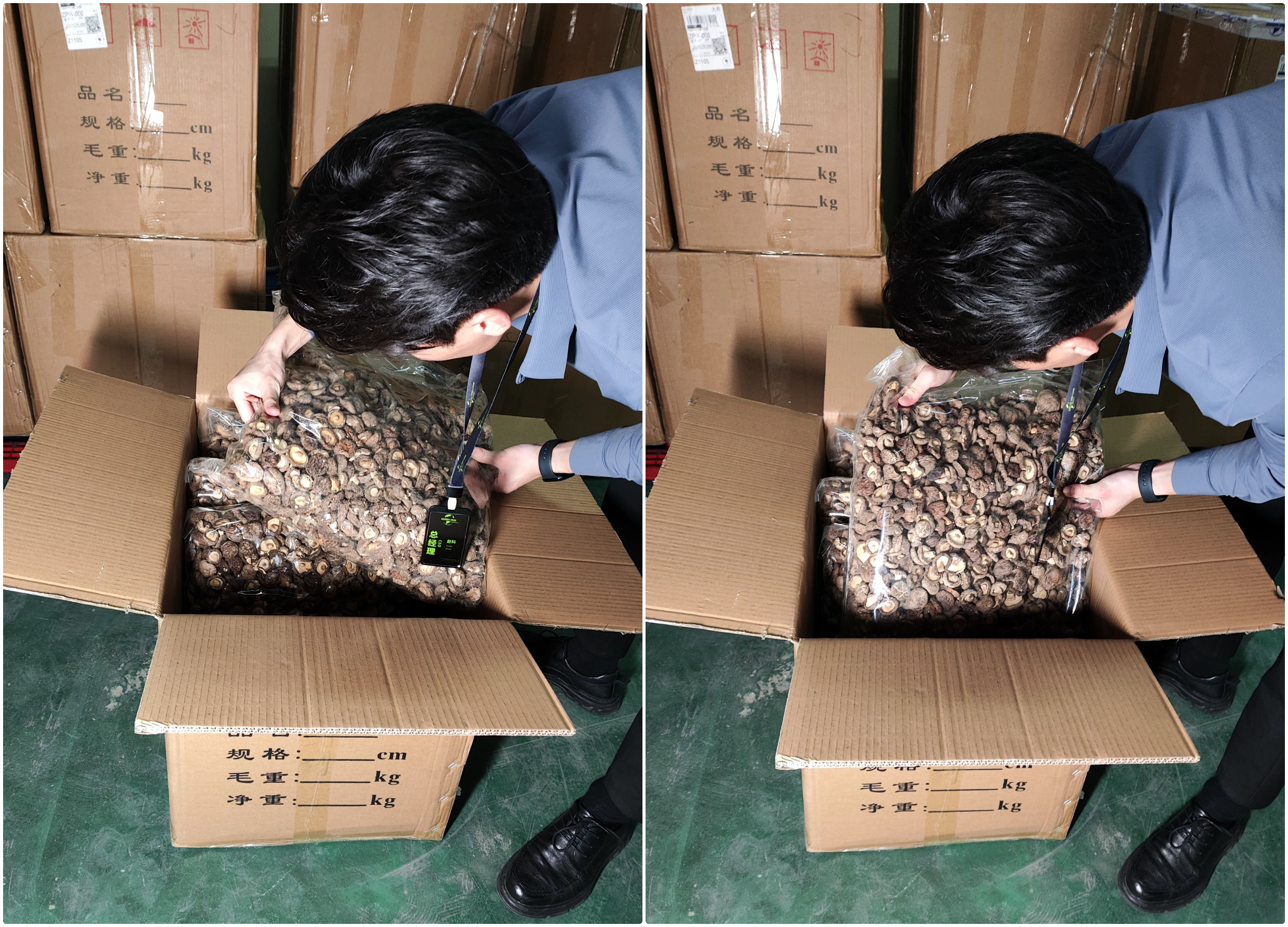
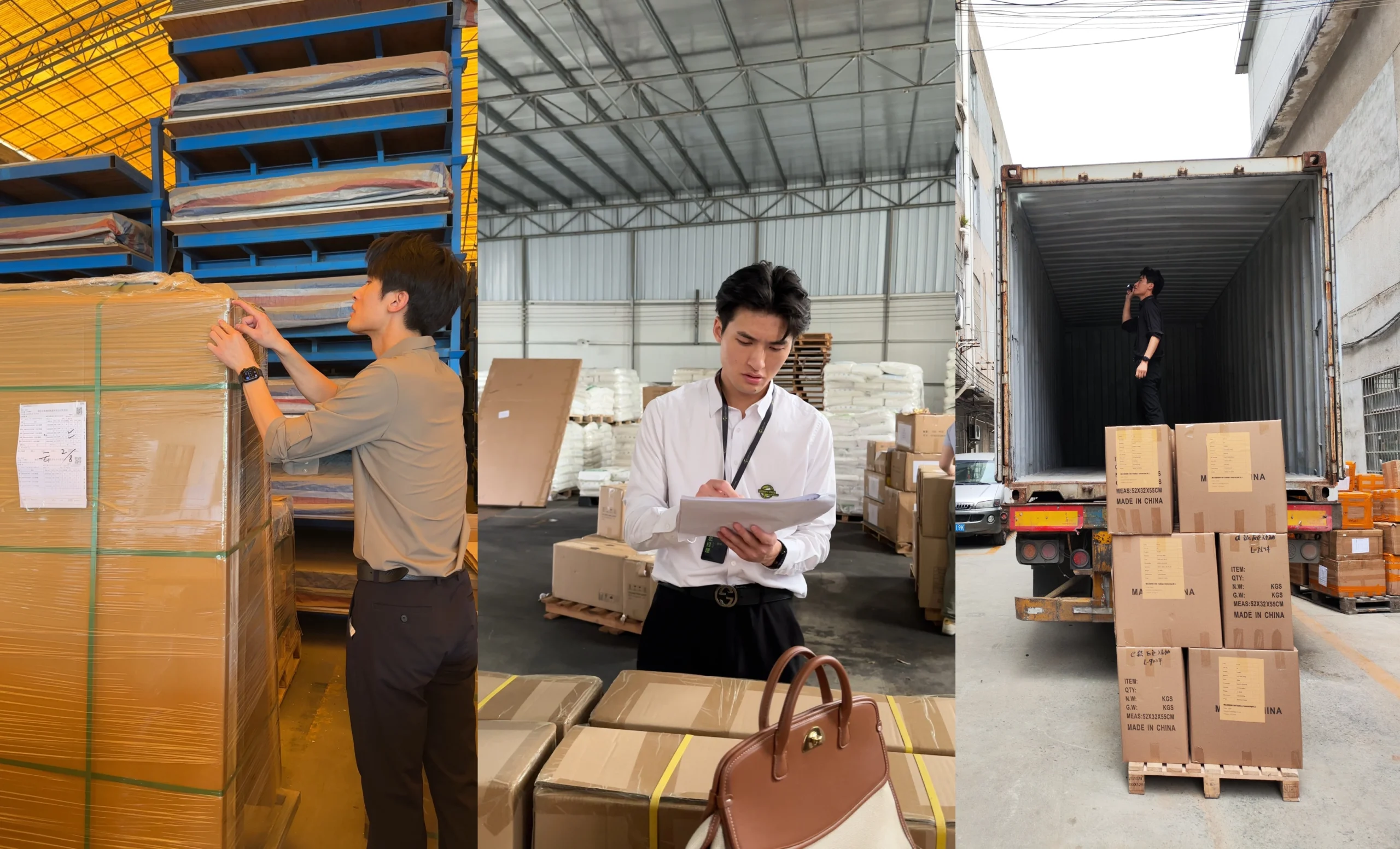
- Arrange product inspection.
- Check quantity, model, dimensions and visible quality.
- Review packaging and product protection.
- Confirm labels, accessories and packing lists.
- Record any problems and agree on corrective action before dispatch.
During shipping
- Confirm warehouse receipt and product identification.
- Coordinate goods from different suppliers where necessary.
- Review container loading arrangements.
- Check export documentation and shipping information.
An inspection cannot identify every financial or legal problem with a supplier. Equally, a background check cannot confirm whether the actual goods meet the customer’s requirements.
These controls need to work together.
For a broader explanation of how we manage supplier selection, production, inspection and delivery, see our China Sourcing Process: How We Work.
Supplier Risk Is Not Always a Financial Problem
The dried mushroom case involved supplier deterioration, product conformity and a legal dispute.
However, another important type of supplier risk is operational failure.
We experienced this in a separate hotel procurement project for a Singapore-based group operating hotels in Vietnam.
An important production confirmation had already been communicated to the supplier, but the information was not properly passed to the relevant people inside the factory.
Production consequently fell more than ten days behind the agreed schedule.
In that case, the supplier had signed an agreement defining its responsibility for delays. After investigating the problem and negotiating with the factory, we secured compensation equal to 2% of the order value, deducted from the remaining balance.
That percentage applied to that particular contract; it is not a standard compensation rate for every procurement project.
We also addressed the supplier’s internal confirmation process to reduce the chance of the same problem recurring.
You can read the complete story here:
🔗Managing Supplier Delays in China: A Hotel Procurement Case Study
These two cases demonstrate different aspects of supplier risk:
- A supplier’s financial and legal condition can deteriorate over time.
- A supplier’s internal communication can fail even when the company has the ability to fulfil an order.
- Product specifications need to be checked against actual goods.
- Contracts are important when commercial disagreements occur.
- Supplier management must continue after the order is placed.
A Practical Supplier Risk Management Checklist for Importers
Before committing to an important order from China, buyers should consider the following:
| Stage | What Should Be Checked |
|---|---|
| Supplier selection | Company registration, business scope, background and production capability |
| Due diligence | Litigation, enforcement, financial warning signs and operating condition |
| Order confirmation | Specifications, samples, quantity, price and delivery requirements |
| Contract and payment | Contracting entity, bank account, payment milestones and responsibilities |
| Production | Progress updates, material changes and delivery schedule |
| Quality control | Product specifications, quantity, appearance and inspection results |
| Shipping | Packaging, warehouse receipt, loading and export documents |
| After-sales | Evidence preservation, complaint handling and supplier responsibility |
Not every order requires the same level of investigation.
A small standard purchase from an established supplier may need a different level of verification from a large customized order involving several factories and a fixed project deadline.
The important thing is to match the level of risk control to the order’s value, complexity and potential consequences.
How Cody Sourcing Helps Overseas Buyers Manage Supplier Risks
For overseas buyers, managing Chinese suppliers from another country can be difficult.
The challenge is not simply finding a factory. It is understanding whether the supplier is suitable, confirming what is being purchased, managing the order and making sure the goods are properly checked before shipment.
At Cody Sourcing, our role goes beyond introducing factories.
We support overseas buyers with:
- Supplier Research and Verification: Reviewing company information, supplier backgrounds and production capabilities.
- Supplier Comparison: Comparing different suppliers based on product quality, pricing, experience and project requirements.
- Contract and Order Coordination: Confirming specifications, commercial terms and responsibilities before production.
- Production Follow-Up: Communicating with suppliers, monitoring progress and addressing problems.
- Quality Inspection: Checking goods against the customer’s confirmed requirements before shipment.
- Warehouse and Shipping Coordination: Consolidating goods, organizing container loading and coordinating international delivery.
We are a China-based supply chain management team, helping customers manage their procurement rather than simply providing factory contacts.
If you are planning to import from China, or already have suppliers but are concerned about their reliability, we can help review the supplier situation and the procurement process before you commit to the next order.
🔗See How Cody Sourcing Manages China Procurement Projects
Frequently Asked Questions About Supplier Risk Management in China
1. Can a long-term Chinese supplier suddenly become unreliable?
Yes. A supplier’s financial position, management, ownership, production arrangements and legal condition can change over time.
Previous successful orders do not guarantee future performance. Importers should periodically review important suppliers, particularly before large repeat orders.
2. How can I check whether a Chinese supplier has financial or legal problems?
Start by confirming the supplier’s registered company identity and current operating status.
Depending on the risk level, review its litigation history, court enforcement records, debt-related disputes and other available business information.
These records should be interpreted in context. One isolated legal dispute does not necessarily mean a company is financially unhealthy.
3. Should I conduct a background check before every repeat order?
A full investigation may not be necessary for every small purchase.
However, important suppliers should be reassessed periodically and whenever there are meaningful changes, such as a larger order, a long gap between purchases, unusual payment requests, declining quality or communication problems.
4. What should I do if a Chinese supplier delivers products that do not match the agreed specifications?
First, document the problem.
Take clear photographs and videos, record the actual measurements, identify the affected quantities and preserve relevant samples and packaging where possible.
Compare the evidence with the signed contract, confirmed specifications, samples and purchase documents.
Then notify the supplier in writing and request a clear resolution. For significant disputes, independent inspection and professional legal advice may be appropriate.
Avoid relying only on verbal discussions.
5. Can a factory visit guarantee that a supplier is reliable?
No.
A factory visit can help buyers understand the supplier’s actual operating environment, equipment, production capability and management.
However, it cannot independently establish the supplier’s full financial or legal condition.
Factory verification and company background checks should complement each other.
6. Is product inspection enough to prevent supplier risks?
No. Inspection primarily helps identify product and quality problems at a particular stage.
It cannot replace supplier verification, contract management, payment controls or production monitoring.
A supplier may have a perfectly acceptable factory and still experience financial difficulties or fail to fulfil its contractual responsibilities.
7. Does Cody Sourcing only help customers find Chinese factories?
No. Our work covers the wider procurement process, including supplier research, verification, quotation comparison, contract coordination, production follow-up, quality inspection, warehouse consolidation and international shipping.
This is particularly useful for overseas buyers managing multiple suppliers or larger projects from outside China.
About Cody Sourcing
Cody Sourcing is a Guangzhou-based China sourcing and supply chain management team supporting international buyers with furniture, building materials, renovation products and project procurement.
Our experience comes from managing real supplier relationships, production orders, quality issues and international shipments. We believe that good sourcing is not simply about finding a supplier at the right price. It is about managing the entire process and taking responsibility for the details that matter.
Learn more about 🔗Cody Sourcing and our team.
