


Custom Kitchen Products from China: A Complete OEM Sourcing Guide

When businesses look for custom kitchen products from China, the biggest challenge is not finding products, but developing reliable products with the right suppliers.
A restaurant owner may want a better kitchen tool. A brand may want a unique storage solution. A designer may have a concept that does not exist in the market yet.
The difficult part is not only creating the idea.
The real challenge is turning that idea into a product that can be manufactured, controlled in quality, and produced at a reasonable cost.
This is why many overseas brands choose to develop custom kitchen products from China.
With a complete manufacturing ecosystem covering stainless steel, plastic injection, ceramics, wood, electronics, and packaging, China provides opportunities for businesses looking to create OEM kitchen products instead of simply buying existing items.
However, successful product development requires more than finding a factory.
It requires understanding design communication, supplier selection, sampling, production management, and quality control.
Why Source Custom Kitchen Products from China?
China has one of the world’s most complete kitchen product supply chains.
Different regions specialize in different categories:
- Yangjiang in Guangdong is known for knives and cutlery manufacturing.
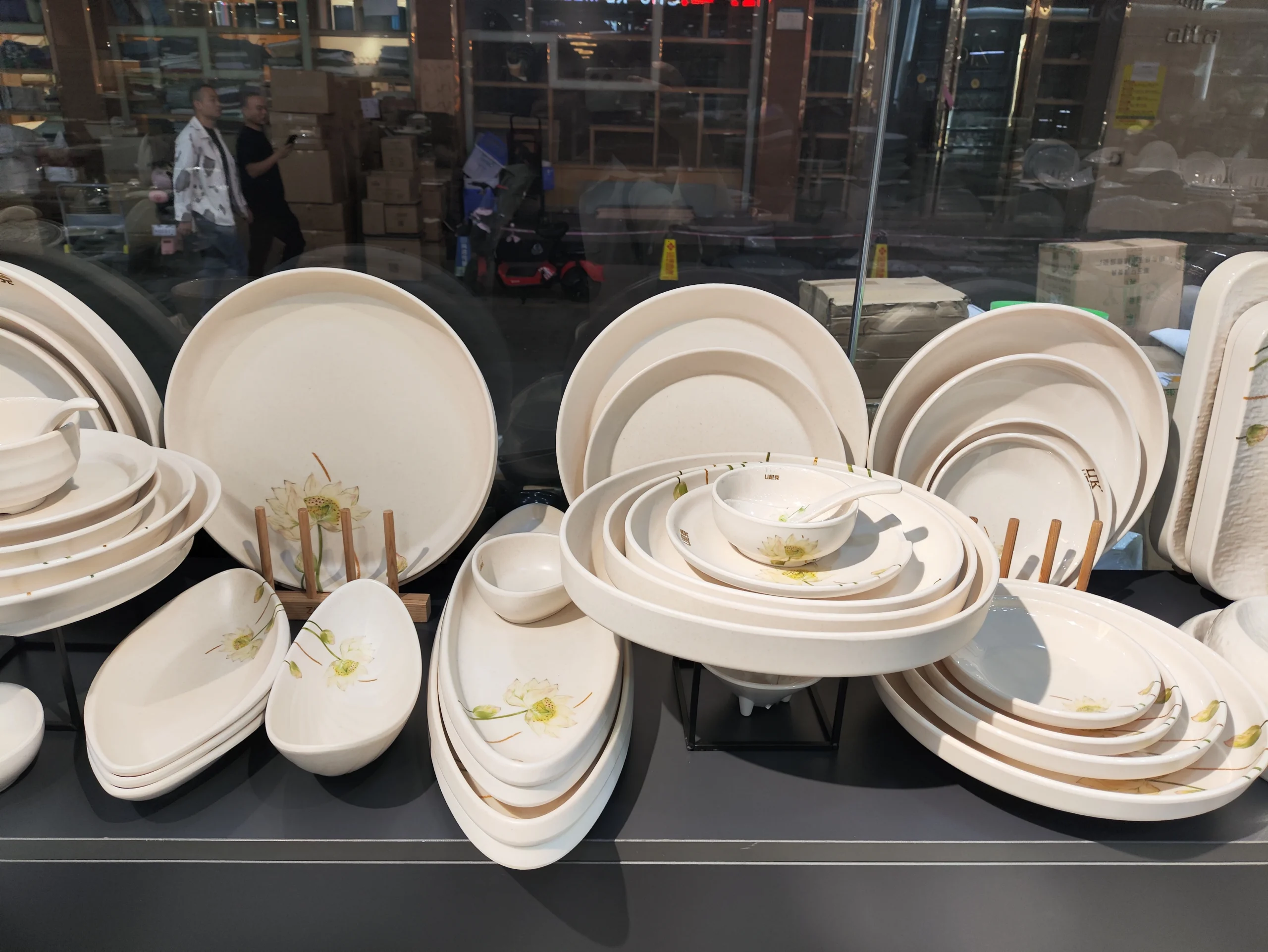
- Chaozhou is an important ceramic tableware production area.
- Zhejiang and Yiwu supply many small kitchen accessories.
- Guangdong manufacturers provide strong capabilities in metal products, plastic products, and household items.
This manufacturing network allows buyers to combine multiple product categories within one sourcing project.
For example, a restaurant brand may need:
- Custom knives
- Ceramic plates
- Stainless steel tools
- Storage products
- Packaging solutions
Instead of contacting several suppliers independently, buyers can work with a sourcing partner who understands different manufacturing regions.
The advantage of China is not only cost.
It is the ability to combine:
- Product variety
- Manufacturing experience
- Customization options
- Production scalability
Modern kitchen design is also becoming more personalized, with buyers increasingly looking for unique materials, colors, and functional solutions rather than standard products.
What Types of Custom Kitchen Products Can Be Developed in China?
The term “kitchen products” covers a wide range of categories.
Custom Kitchen Tools
Examples include:
- Kitchen knives
- Cooking utensils
- Peelers
- Graters
- Measuring tools
- Special cooking accessories
Many brands start with existing products and improve details such as:
- Handle design
- Material selection
- Packaging
- Function improvements
Custom Kitchen Storage Products
Storage products are popular because customers constantly look for better organization solutions.
Examples:
- Drawer organizers
- Spice racks
- Storage containers
- Kitchen shelves
- Countertop organizers
For these products, customization may include:
- Size adjustment
- Material changes
- Color options
- Brand packaging
Private Label Kitchen Products
Many ecommerce brands and retailers do not manufacture products themselves.
Instead, they work with Chinese suppliers to create:
- Existing products with their logo
- Customized packaging
- Modified designs
- Exclusive product versions
This model allows businesses to build their own product identity without investing in their own factories.
From Product Idea to Mass Production: How the Process Works
Developing a product in China is not simply sending a picture to a factory.
A professional OEM process usually involves several stages.
Step 1: Define the Product Concept
Before contacting suppliers, buyers should prepare:
- Product purpose
- Target customers
- Reference images
- Expected materials
- Target market
- Estimated quantity
The clearer the concept, the easier it is for manufacturers to evaluate feasibility.
For example:
“I need a premium kitchen knife”
is very different from:
“I need a 20cm stainless steel chef knife with an ergonomic wooden handle for the European premium kitchen market.”
The second description gives manufacturers something they can work with.
Step 2: Find the Right Manufacturer
Not every factory is suitable for every project.
A supplier producing standard products may not have experience with:
- Product development
- Custom molds
- New materials
- Small design changes
When evaluating suppliers, buyers should consider:
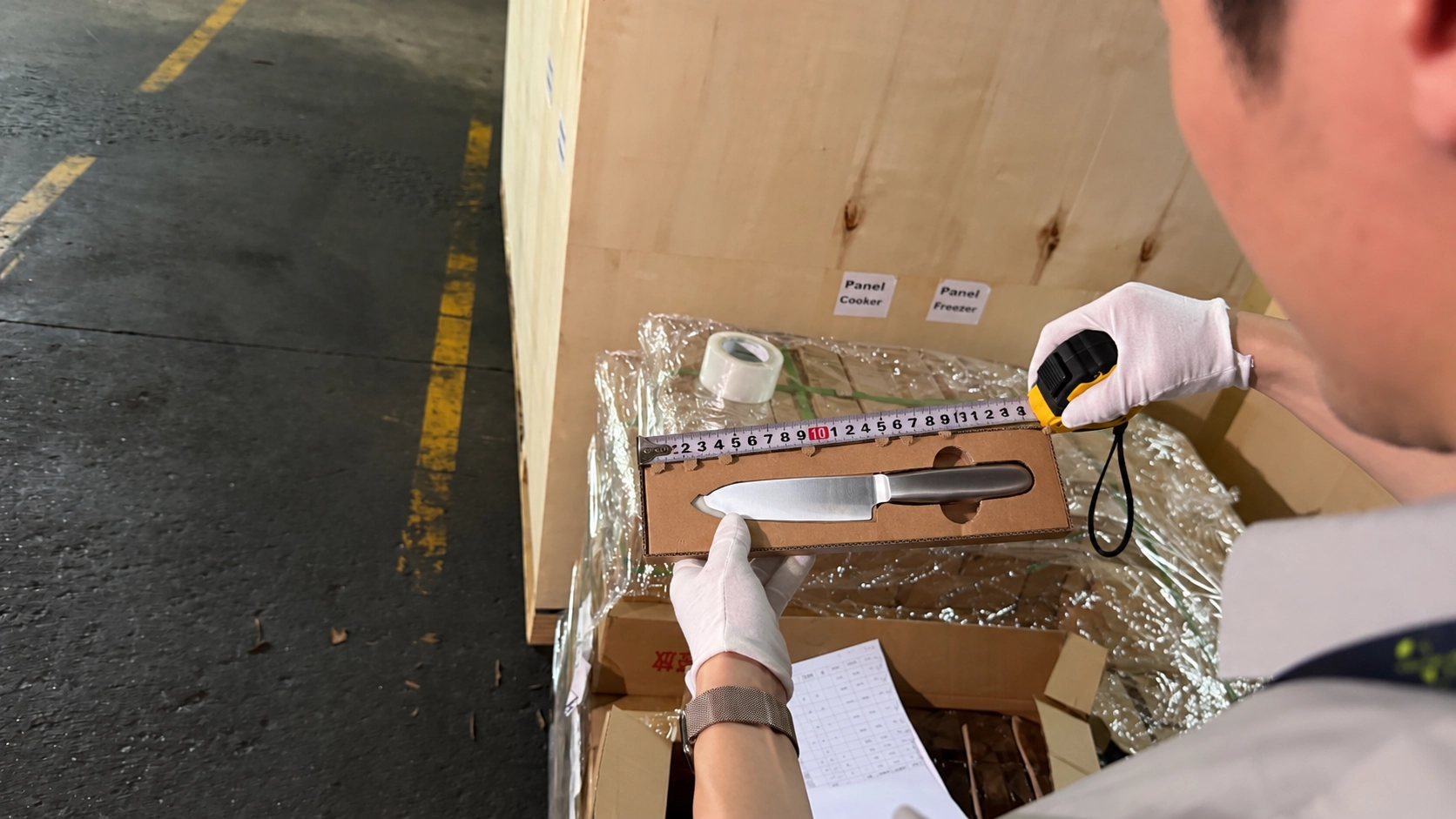
- Production capability
- Previous export experience
- Similar product experience
- Quality management
- Communication efficiency
The cheapest supplier is not always the best choice.
A factory that cannot manage quality or deadlines may create higher costs later.
Step 3: Prototype and Sample Development
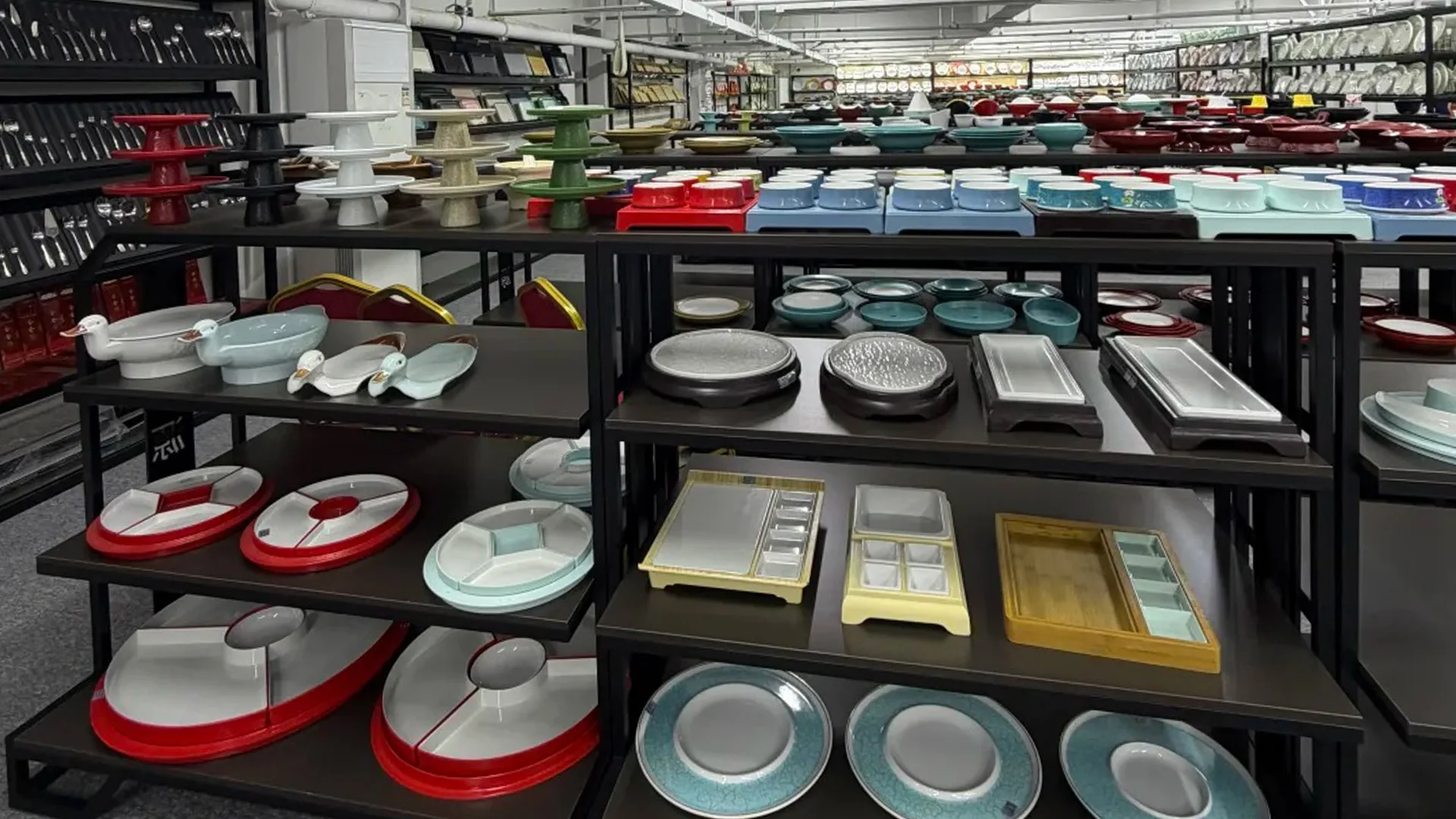
The first sample is often not the final product.
A normal development process may include:
- Initial design discussion
- Prototype production
- Sample review
- Design modification
- Final approval
Common adjustments include:
- Size changes
- Material replacement
- Color adjustment
- Functional improvements
Many overseas buyers underestimate this stage.
A good supplier relationship depends on clear communication during sample development.
Step 4: Mass Production and Quality Control
After approval, the product enters production.
At this stage, buyers should monitor:
- Production schedule
- Material consistency
- Product specifications
- Packaging requirements
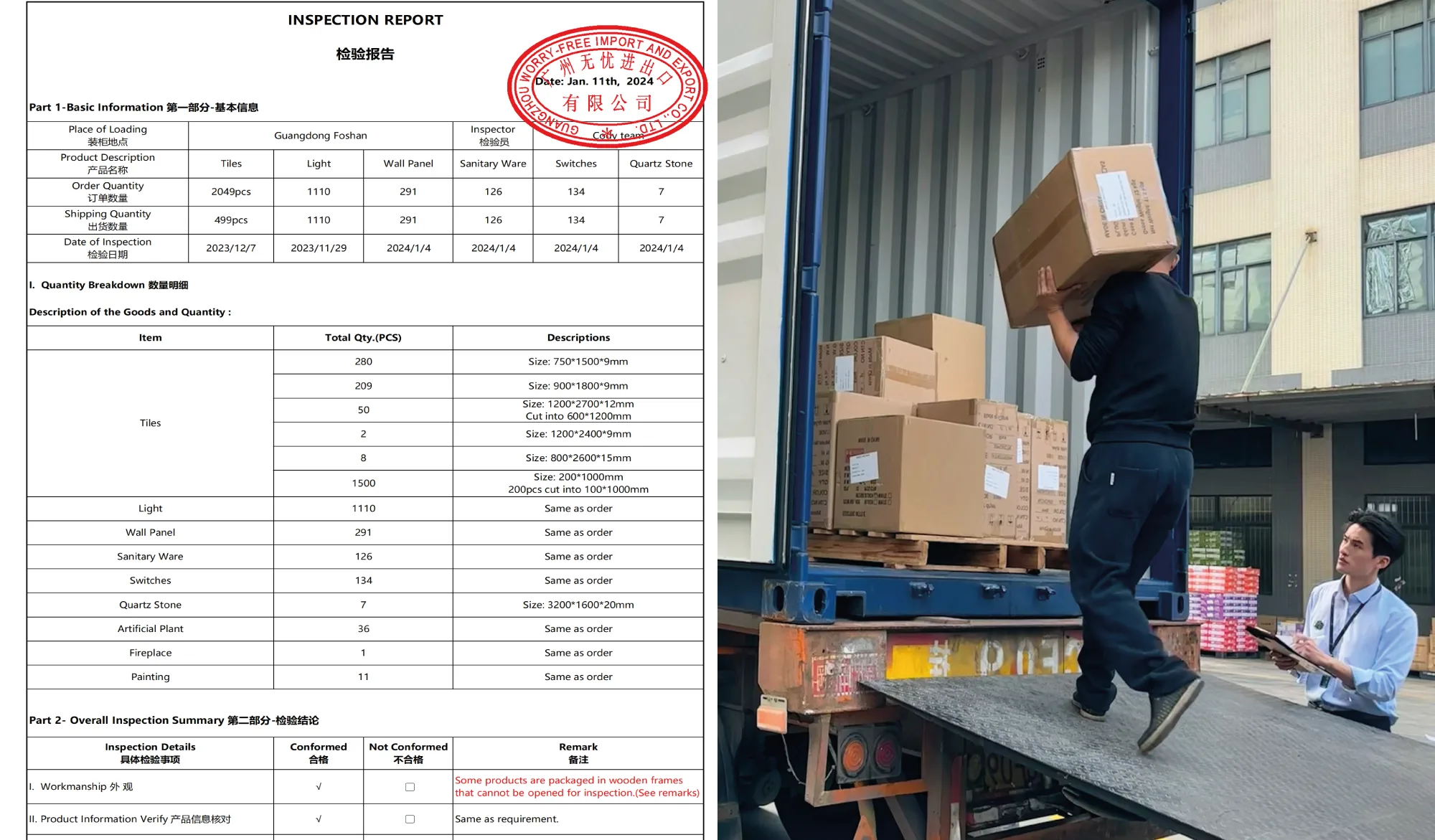
- Final inspection
For international buyers, quality control before shipment is especially important because correcting problems after delivery can be expensive.
Common Challenges When Developing Custom Kitchen Products from China
The First Sample May Not Match Expectations
This is one of the most common situations.
A drawing or idea may look simple, but manufacturing involves:
- Material limitations
- Production techniques
- Cost considerations
Experienced sourcing teams help translate customer expectations into realistic manufacturing requirements.
MOQ Requirements for Custom Products
Custom products usually require higher minimum order quantities because factories may need:
- New molds
- Custom packaging
- Special materials
- Production adjustments
For startups, possible solutions include:
- Starting with existing designs
- Modifying only key features
- Testing smaller quantities first
Protecting Product Ideas and Designs
Many buyers worry about sharing designs with suppliers.
Good practices include:
- Working with verified suppliers
- Controlling technical drawings
- Using appropriate agreements
- Avoiding sending designs to unknown contacts
The goal is not avoiding all risks, but managing the development process professionally.
Real Sourcing Experience: Why Product Development Needs Local Support
Many overseas buyers believe sourcing means simply finding a factory.
In reality, the difficult part is often coordination.
A product may involve:
- Design discussions
- Factory negotiations
- Sample revisions
- Quality checking
- Shipping arrangements
The supplier that gives the lowest initial quotation may not always provide the smoothest production experience.
A local sourcing partner helps bridge the gap between:
Buyer expectations
and
Factory production reality.
This is especially important for custom projects where small details determine the final result.
Custom Products vs Ready-Made Kitchen Products from China
| Ready-Made Products | Custom Products | |
|---|---|---|
| Development time | Faster | Longer |
| MOQ | Usually lower | Usually higher |
| Design flexibility | Limited | High |
| Brand differentiation | Lower | Higher |
| Initial investment | Lower | Higher |
For businesses testing a market, ready-made products may be suitable.
For brands building long-term value, custom development can create stronger differentiation.
How Cody Sourcing Helps Develop Custom Kitchen Products
Developing products in China requires more than supplier contacts.
Cody Sourcing helps overseas buyers manage the complete sourcing process:
- Supplier research
- Factory communication
- Product evaluation
- Sample follow-up
- Production tracking
- Quality inspection
- Export coordination
Instead of searching for suppliers one by one, buyers can access a structured sourcing process based on their product goals.
For businesses looking for OEM kitchen products from China, the key is finding suppliers that match the product requirements, market positioning, and quality expectations.
Conclusion: Turning Kitchen Product Ideas into Reality
China offers strong opportunities for businesses that want to develop custom kitchen products.
However, successful OEM sourcing depends on choosing the right suppliers, communicating clearly, and managing every stage from concept to production.
A good product idea is only the beginning.
The real value comes from turning that idea into a reliable product that customers can use and trust.
