


How a US Luxury Villa Builder Sourced Custom Interior Products from China

Before this US builder contacted us, they already had Chinese factory contacts, quotations, product catalogs, and a shortlist of suppliers to visit. What they needed was help deciding which suppliers could deliver the products their luxury villa renovation required—and coordinating the work after those decisions were made.
This case study follows a US couple who build and renovate luxury villas for resale. Their project involved approximately USD 200,000 in product purchases, covering furniture, lighting, kitchen cabinets, wardrobes, tiles, wall panels, doors, and custom metal products.
The sourcing trip was completed, and the orders moved into production follow-up. At the stage documented here, production coordination was still in progress.
Project Overview
| Item | Project Details |
|---|---|
| Client | US couple specializing in luxury villa construction and renovation |
| Project | Luxury villa renovation |
| Product purchase value | Approximately USD 200,000 |
| Sourcing trip | Originally planned for approximately five days; extended to seven days |
| Supplier approach | A combination of client-selected and Cody Sourcing recommended suppliers |
| Main categories | Furniture, lighting, cabinets, wardrobes, tiles, wall panels, doors, and metal customization |
| Project status | Production follow-up in progress |
The USD 200,000 figure refers to product purchases, rather than the complete renovation budget.
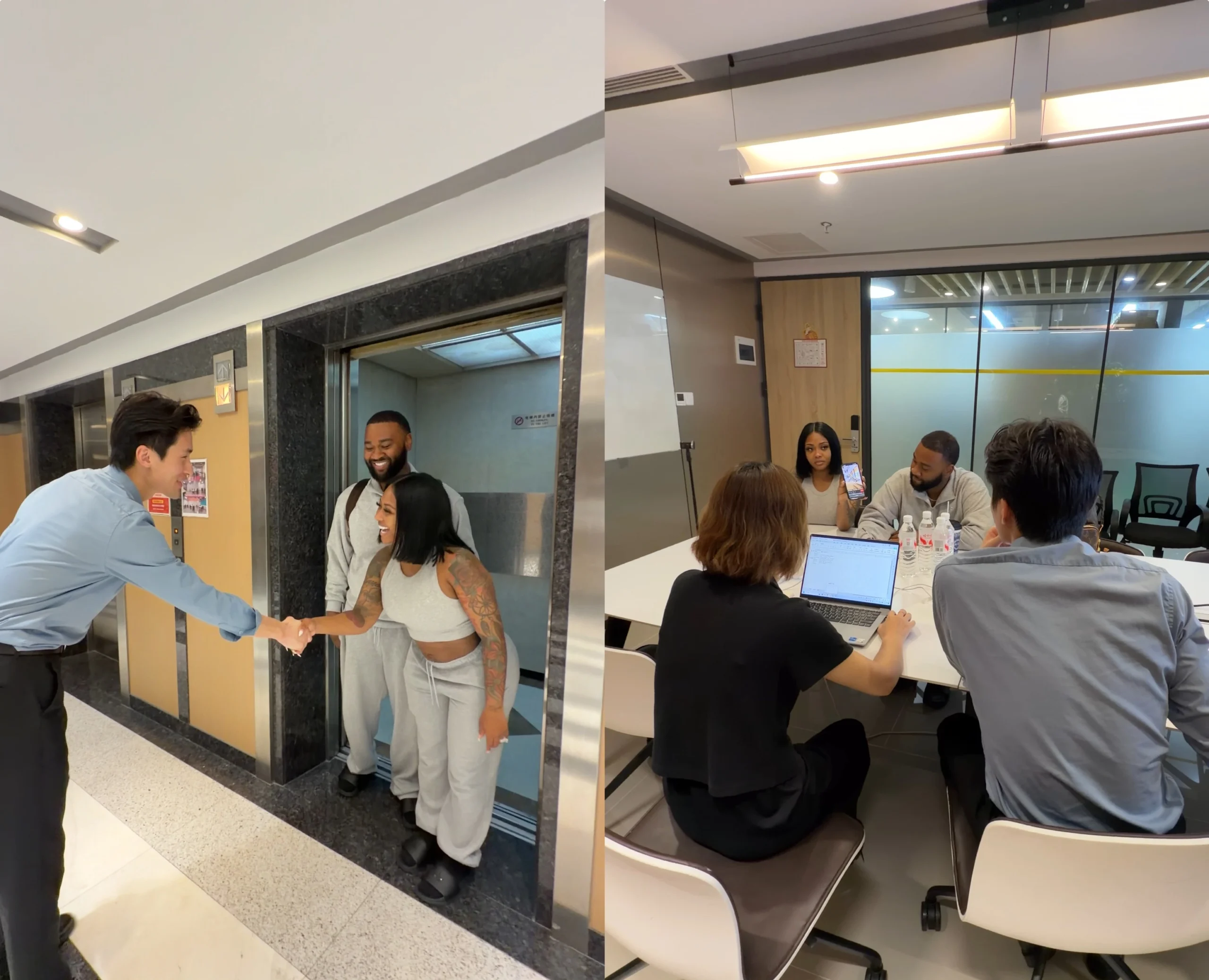
They Had Already Found Suppliers. They Needed Help Choosing Between Them.
The clients discovered Cody Sourcing through Google search. Before contacting us, they reviewed our social media content, previous projects, and company information.
They had also spent considerable time researching Chinese suppliers themselves. They had contacted factories, collected quotations, reviewed catalogs, and identified companies they wanted to visit.
Their preparation gave the sourcing trip a useful starting point. But having several quotations raised another question: which supplier was the right fit for each part of the project?
A catalog can show available designs. A quotation can show a price. Neither gives the buyer a complete understanding of the supplier’s production capability, material quality, finishing standards, or ability to handle specific customization requirements.
For this project, our work included communicating with the shortlisted suppliers, recording product requirements, organizing quotations, and helping the clients compare available options.
“Can You Manage Suppliers That I Find Myself?”
This was one of the clients’ early questions.
We confirmed that they could use suppliers they had found themselves, suppliers recommended by Cody Sourcing, or a combination of both.
That flexibility mattered. The clients had already invested time in their own research, and some of those suppliers remained suitable for the project.
The final selection varied by product. Some purchases went to suppliers we introduced, while others stayed with suppliers the clients had already identified.
For the clients, this meant they could make purchasing decisions based on the product and supplier’s suitability while keeping China-side coordination under one team.
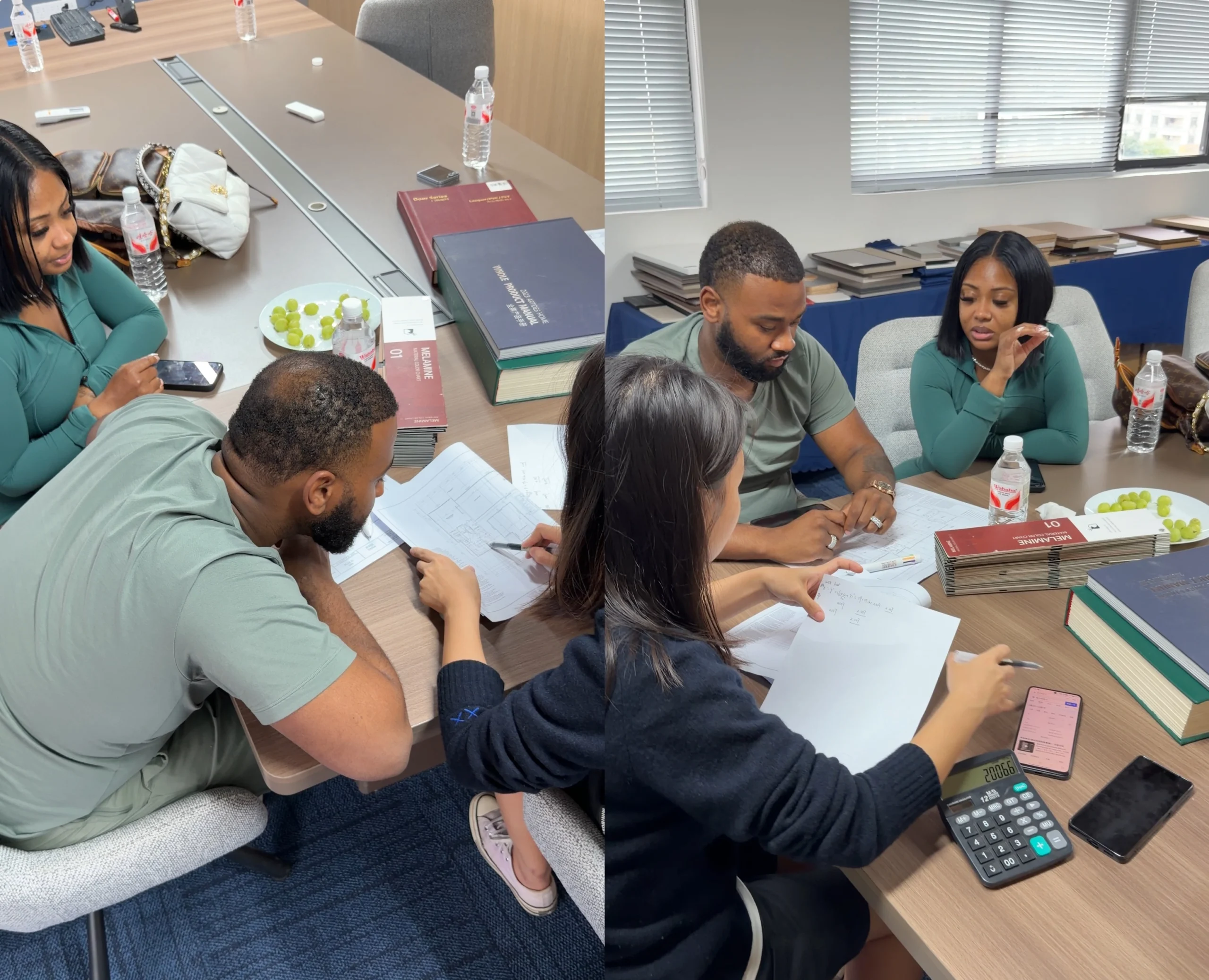
Comparing Suppliers During the China Sourcing Trip
Before the clients arrived, we prepared supplier research, a factory visit schedule, product category planning, and a project timeline.
The trip was originally planned for approximately five days. It was extended to seven because the clients wanted additional time to compare products and make decisions.
For a project involving many customized interior products, comparison takes time. Buyers need to examine materials, discuss finishes, assess workmanship, and decide which differences matter enough to affect their purchasing decisions.
During this trip, supplier selection considered product quality, factory capability, price, and overall suitability for the villa project.
The cabinet, tile, and sofa purchases show how that process worked.
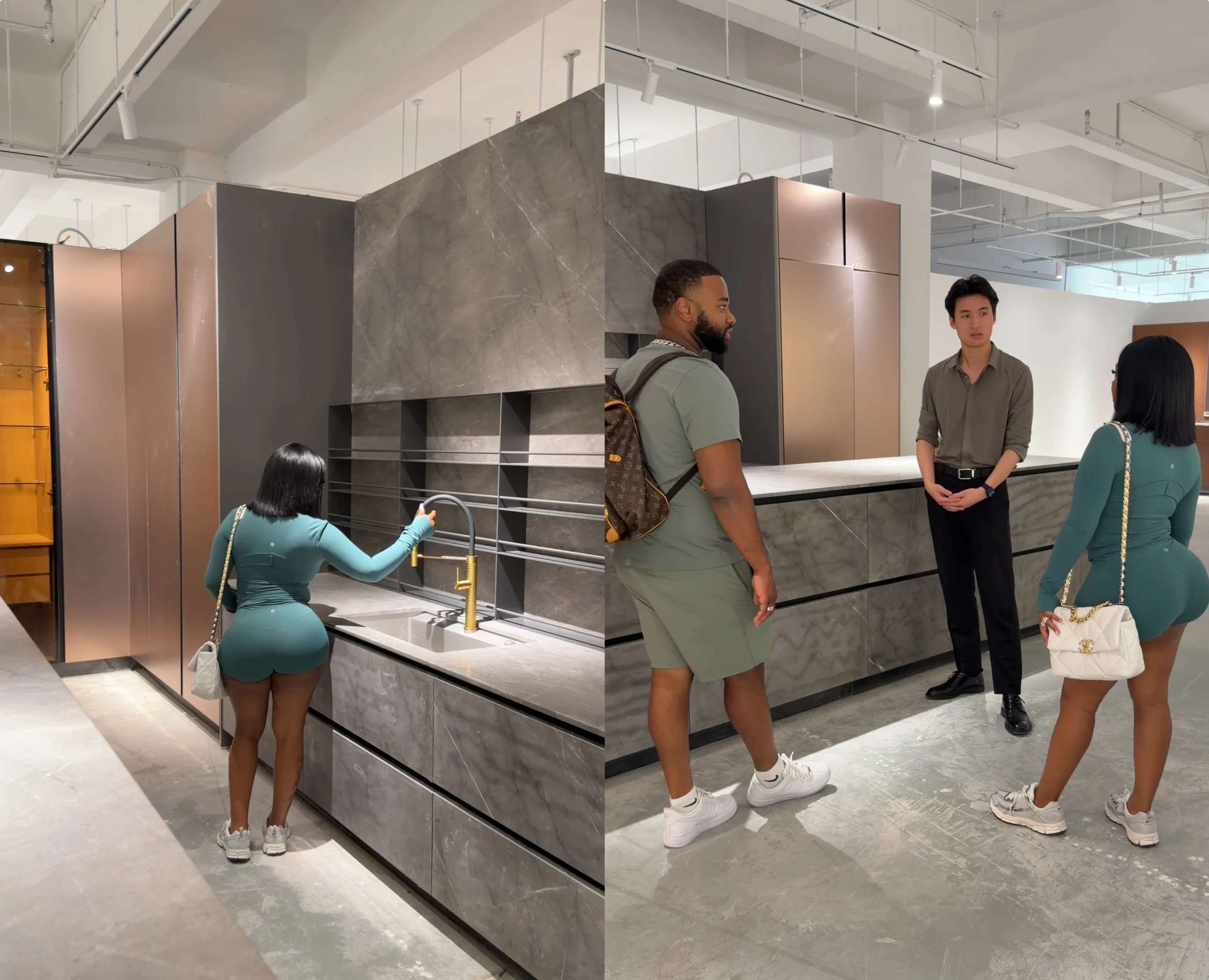
Kitchen Cabinets: Evaluating Suppliers and Customization Capabilities
Kitchen cabinets were one of the important categories in this villa renovation project.
During the sourcing trip, the clients visited cabinet suppliers to examine available designs, materials, finishes, and customization options.
For a luxury villa, kitchen cabinets need to meet more than basic functional requirements. Material selection, surface finishing, construction quality, hardware, and overall workmanship all contribute to the final result.
Visiting suppliers in person allowed the clients to see the products more closely, discuss their requirements, and better understand each supplier’s manufacturing and customization capabilities.
For customized cabinetry, these details are particularly important. What looks good in a showroom still needs to be translated into clear specifications and production requirements.
Our team helped coordinate communication with the suppliers, record the clients’ preferences, and organize the information needed for further quotation and production discussions.
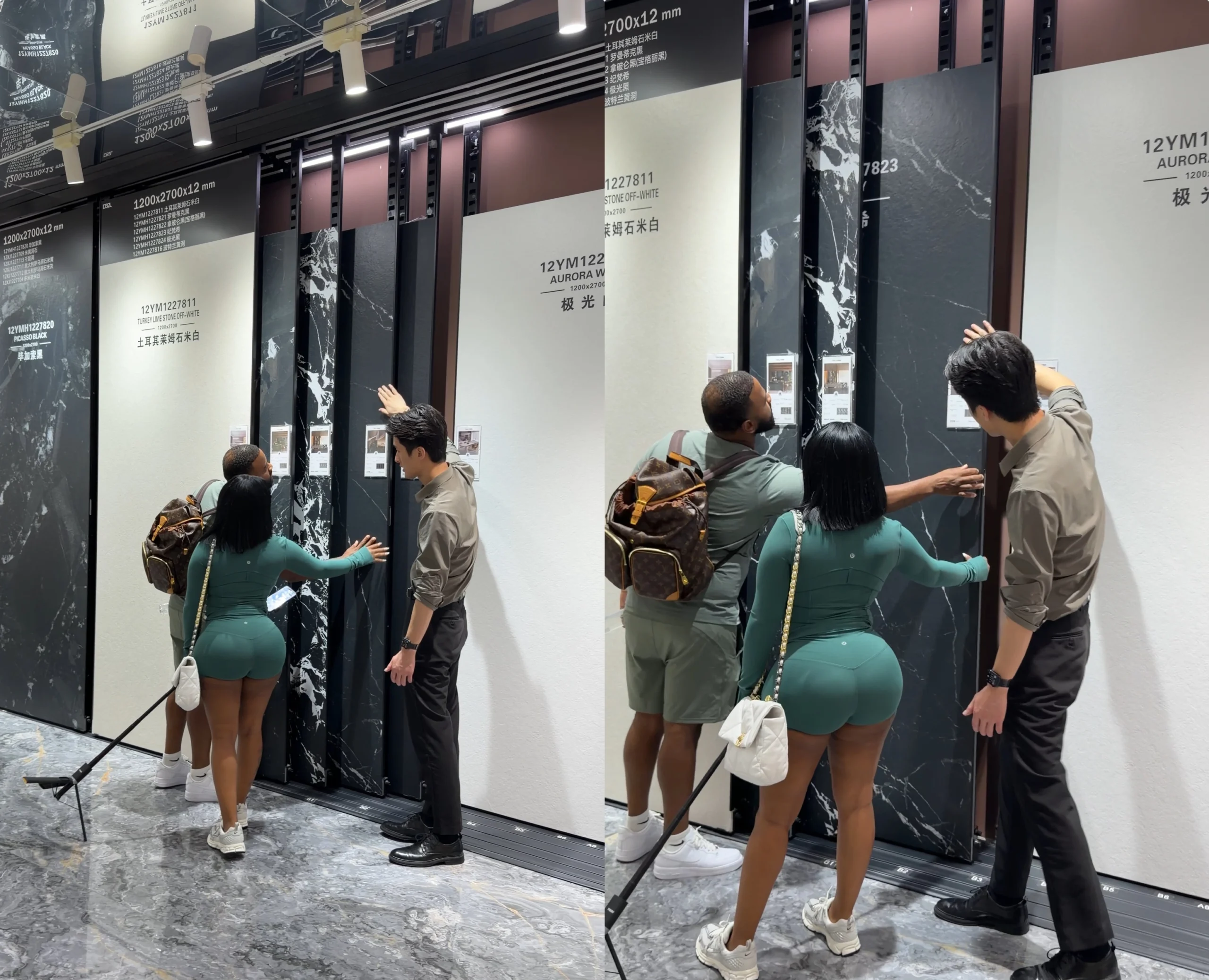
Tiles: Comparing Materials, Designs, and Finishes
Tiles were another important part of the villa renovation.
The clients visited tile suppliers to explore different product options and compare designs, colors, textures, and surface finishes.
For a luxury residential project, tile selection is not simply about finding an attractive product. The materials also need to work with the overall interior design, including flooring, wall finishes, bathrooms, and other living spaces.
Seeing the products in person gave the clients a better understanding of their appearance and material characteristics than reviewing photographs or online catalogs alone.
Our team assisted with supplier communication and product selection, helping the clients organize their options and move towards more informed purchasing decisions.
The selected products and confirmed specifications would then provide a reference for quotation, order confirmation, and subsequent production or delivery coordination.
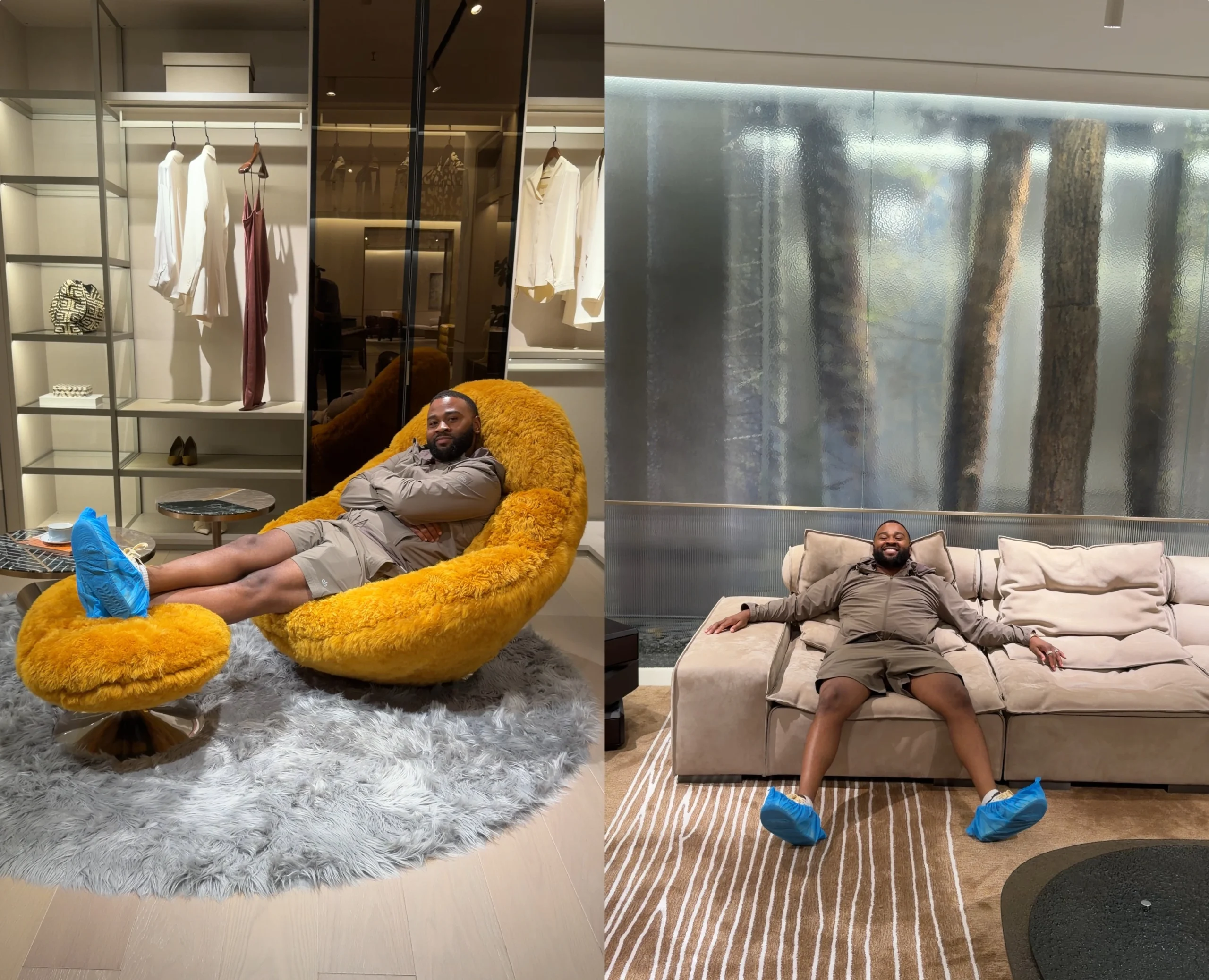
Sofas: Keeping Some Existing Suppliers
The sofa purchases followed a different pattern.
The clients selected some products from our recommended supplier while retaining some suppliers they had found themselves.
The comparison did not lead to replacing every existing supplier. It helped the clients decide which options worked best for particular products.
During selection, our team recorded preferences such as sofa softness, leather finishing, stitching details, and surface quality.
Those details mattered beyond the showroom visit. They would also provide references for supplier communication, production follow-up, and later quality inspection.
Turning Showroom Decisions Into Production Requirements
Once a product is selected, the supplier needs clear instructions for making it.
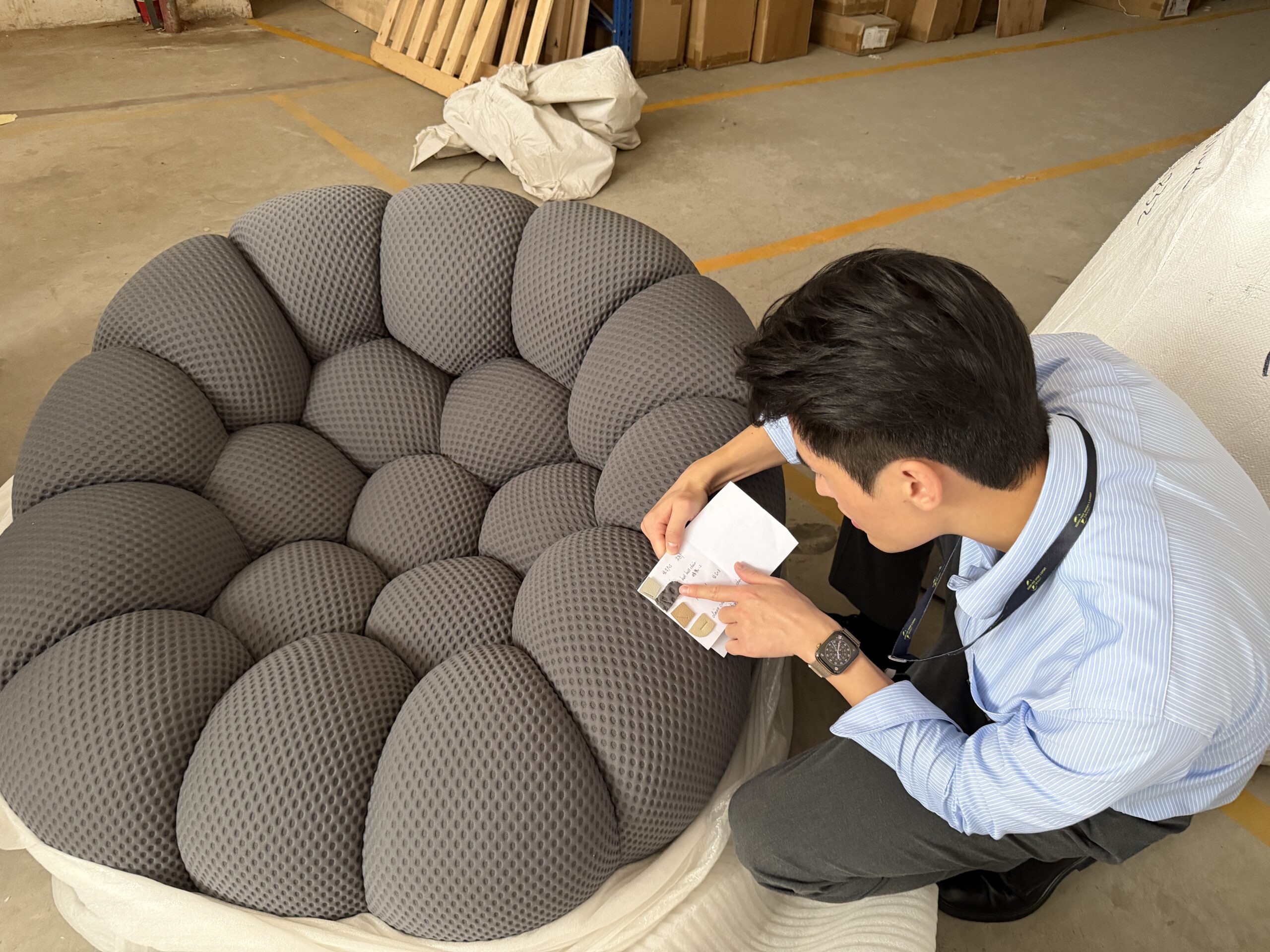
During this project, Cody Sourcing recorded customer requirements, confirmed materials, colors, and specifications, organized quotations, and coordinated production requirements with suppliers.
This work connected what the clients selected in person with what the factories needed to produce.
The sofa requirements provide a useful example. A photograph or model number does not fully describe the buyer’s expectations for softness, leather finish, stitching, or surface appearance.
If those preferences remain only in a conversation, they can become difficult to check later. Recording them creates a clearer reference when the supplier asks questions or the team reviews production.
The same principle applies across different product categories. Cabinets, lighting, furniture, and custom metal products each require information specific to the order. A general instruction to provide “luxury quality” leaves too much open to interpretation.
As part of our broader order-management process, product specifications, quantities, customization details, commercial terms, and relevant approvals are confirmed before production. The documentation depends on the product and agreed scope.
Coordinating Multiple Product Categories
The project included tiles, wall panels, sofas, dining tables and chairs, wardrobes, kitchen cabinets, lighting, interior doors, metal doors, partitions, and other customized interior products.
All major product categories were managed through Cody Sourcing.
This created a coordination task across suppliers with different products, production processes, and schedules.
A question from a cabinet supplier may require a different decision from a question about sofa upholstery. A change to one customized product may also affect its cost or completion date.
Keeping those conversations organized helps the buyer understand what has been confirmed, what still needs approval, and where follow-up is required.
At the stage recorded in this case, our team continued to manage supplier communication, production progress, quality control, and delivery preparation.
What Happens After the Sourcing Trip?
Completing the trip and selecting products were important milestones, but the project still required ongoing execution.
Each supplier needed to work from the confirmed requirements and communicate about production questions and timing.
Our general production follow-up process includes tracking progress, clarifying supplier questions, identifying possible delays, and evaluating requested changes.
For multi-supplier projects, it also includes coordinating different completion schedules and preparing for collection and consolidation when goods are ready.
If a customer requests a change during production, the implications need to be reviewed before it is implemented. Depending on the product, a change may affect material availability, cost, production time, or shipment preparation.
These are ongoing management responsibilities. In this US villa case, production follow-up was still in progress; final shipment and delivery had not yet been documented.

Where Supplier Verification Fits
This project records on-site supplier comparison and product selection. The broader supplier evaluation process can involve additional checks depending on the order and its risks.
At Cody Sourcing, these may include reviewing company registration, operating history, manufacturing indicators, available legal records, communication, and on-site production capability.
Different checks answer different questions.
Company registration helps establish which business the buyer is dealing with. A factory visit can provide evidence of production activity and capability. Examining products helps assess whether the supplier’s output matches the buyer’s expectations.
These sources of information need to be considered together. No single document or factory observation can guarantee future performance.
The purpose is to give the buyer a better basis for deciding where to place an order and what to monitor during execution.
What Had Been Achieved at This Stage?
The clients had completed a seven-day sourcing trip and compared their shortlisted suppliers with alternatives.
They had confirmed approximately USD 200,000 in product purchases across multiple interior categories, using both their own supplier contacts and suppliers recommended by Cody Sourcing.
Product preferences and specifications had been recorded to support production coordination and quality control.
The project had then moved into production follow-up.
The documented outcome therefore covers supplier selection, purchasing decisions, and the transition into production management. Final delivery, installation results, and a completed-project savings figure were not yet available.
Planning a Project in China? Work With Cody Sourcing
Managing multiple suppliers in China can be challenging, particularly for large renovation and construction projects. Cody Sourcing provides a reliable local team to coordinate your purchasing and manage the process on the ground.
Whether you already have suppliers or need help sourcing from scratch, we can help turn your project requirements into well-coordinated purchases.
Planning a project in China? Contact Cody Sourcing to discuss your requirements.
