


Custom Stainless Steel Sculpture Manufacturing in China: A Theme Park Quality Control Case Study

The stainless-steel surfaces looked acceptable. The polishing was smooth, the mirror effect was convincing, and the visible joints gave no obvious reason to suspect a material problem.
But during a mid-production inspection for a Malaysian theme park sculpture project, our on-site material screening produced a response inconsistent with the specified 304 stainless steel.
The affected material was subsequently replaced, the relevant components were reproduced, and a later inspection recorded the expected screening response.
This custom sculpture manufacturing China case study follows that inspection and correction process. It shows how a problem that was difficult to identify visually was addressed while the goods were still at the factory, before shipment and overseas installation.
Project Overview
| Item | Project Details |
|---|---|
| Project | Theme park custom sculpture project |
| Destination | Malaysia |
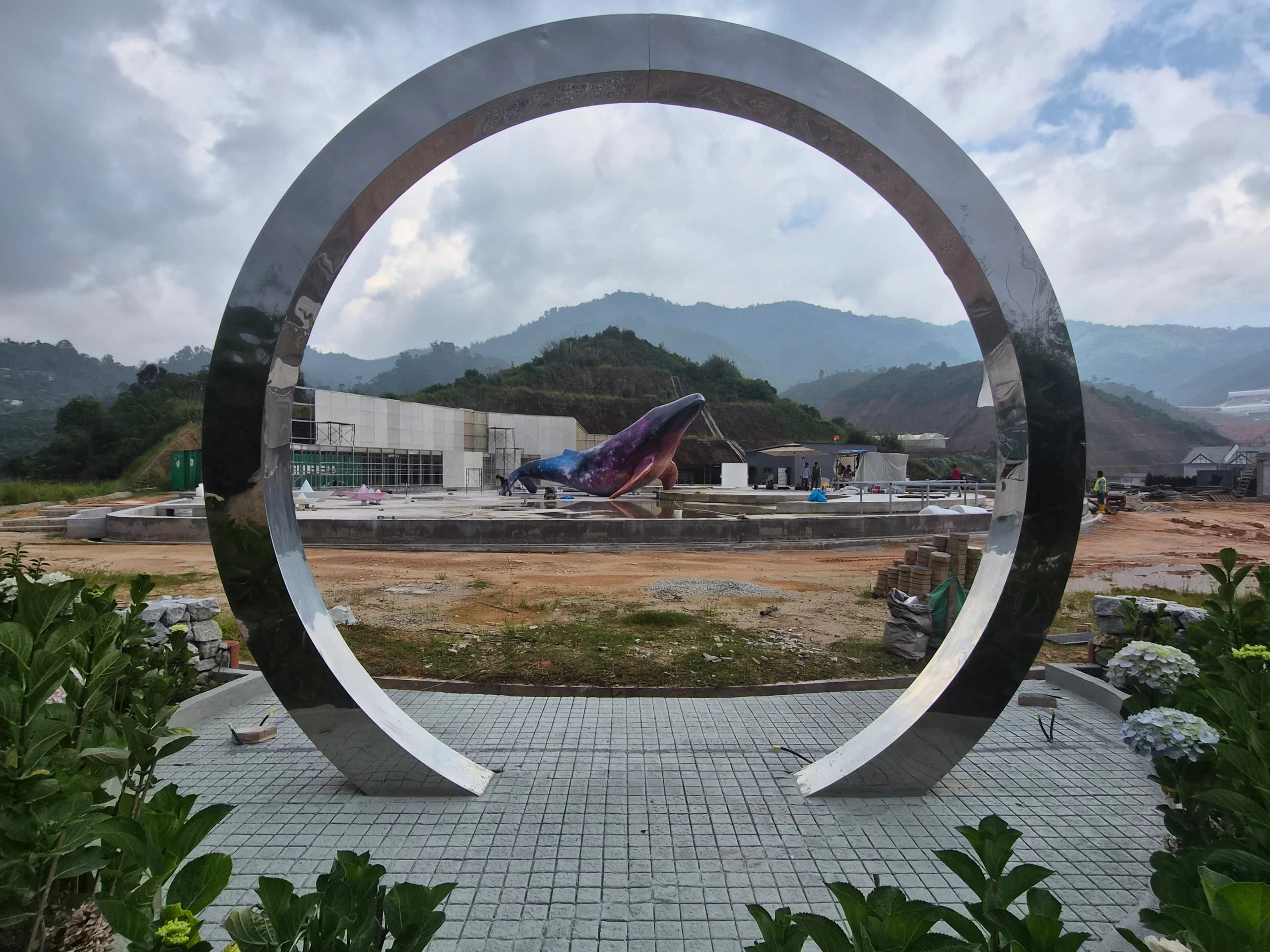
| Products | Large customized outdoor sculptures and metal structures |
| Fabrication work | Structural fabrication, welding, grinding, polishing, and mirror finishing |
| Specified material | 304 stainless steel for the relevant components |
| Inspection approach | Mid-production inspection followed by a later final inspection |
| Payment structure | Initial, mid-production, and final payments |
| Documented correction | Replacement material and reproduction of affected components |
| Overall project status | Theme park project ongoing and under construction |
The correction and reinspection described here relate to the affected fabricated components. They do not establish that the wider theme park project has been completed or delivered.
Why This Project Needed Inspection During Production
These were large, customized sculptures intended for outdoor installation.
The work involved more than selecting an existing product. The factory needed to fabricate structures, meet customized dimensions, produce the specified surfaces, and account for installation requirements.
Some manufacturing decisions become harder to reverse as production progresses. Once components are fully fabricated and finished, correcting a material problem can involve removing parts, reproducing them, and repeating finishing work.
For this project, inspections were therefore arranged in stages alongside a staged payment structure.
Our mid-production visit took place after the supplier had purchased materials and completed a significant portion of the main structural fabrication. This created an opportunity to inspect important requirements before final completion.
The Agreed Material Was Recorded Before Production
For the relevant mirror-finished components, the approved specification was 304 stainless steel.
That requirement was included in the project specifications and supplier contract.
Having the material clearly recorded gave the inspection team a defined requirement to check. It also provided a basis for discussing corrective action when the screening result raised a concern.
The question was whether the supplied material matched the agreed specification. A satisfactory surface appearance could not answer that on its own.
What the Initial Visual Inspection Showed
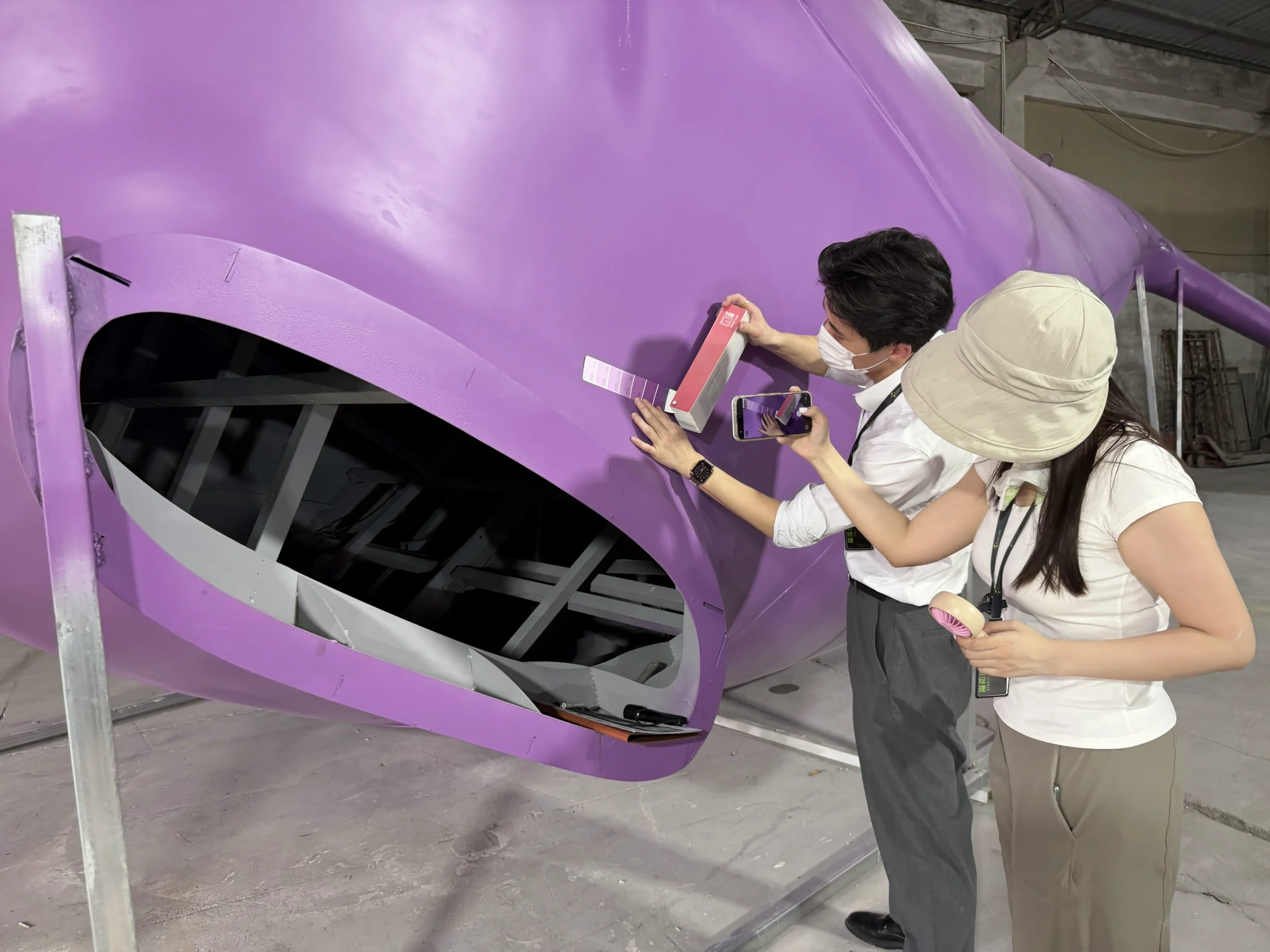
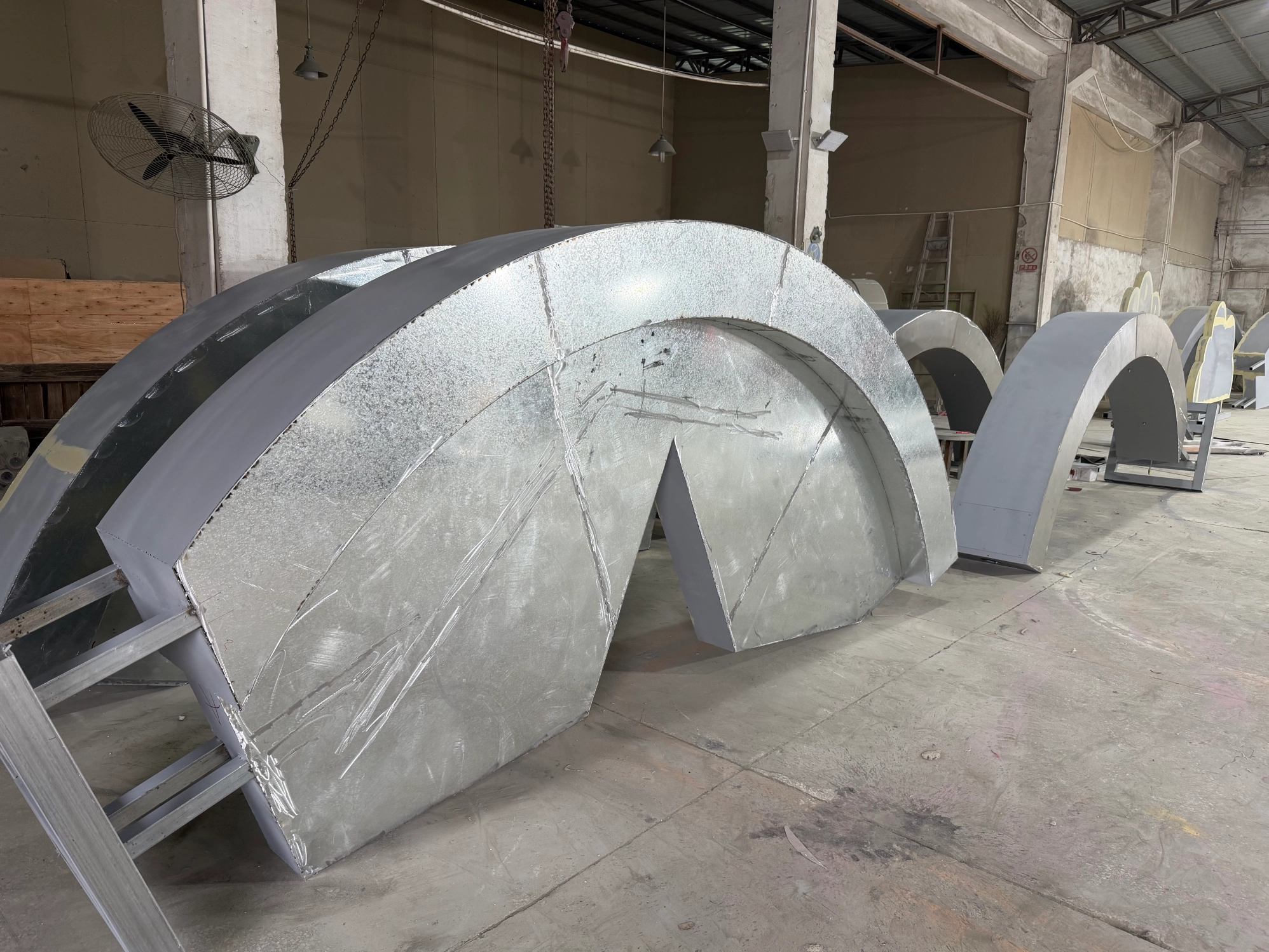
During the visit, the stainless-steel fabrication initially appeared acceptable.
The polishing, grinding, mirror effect, and visible joints did not reveal an obvious material mismatch.
This distinction became central to the case. The visual checks addressed the condition and finish of the components, while the material requirement needed separate verification.
Accepting the components solely on appearance would have left that part of the specification unchecked.
On-Site Screening Raised a Material Concern
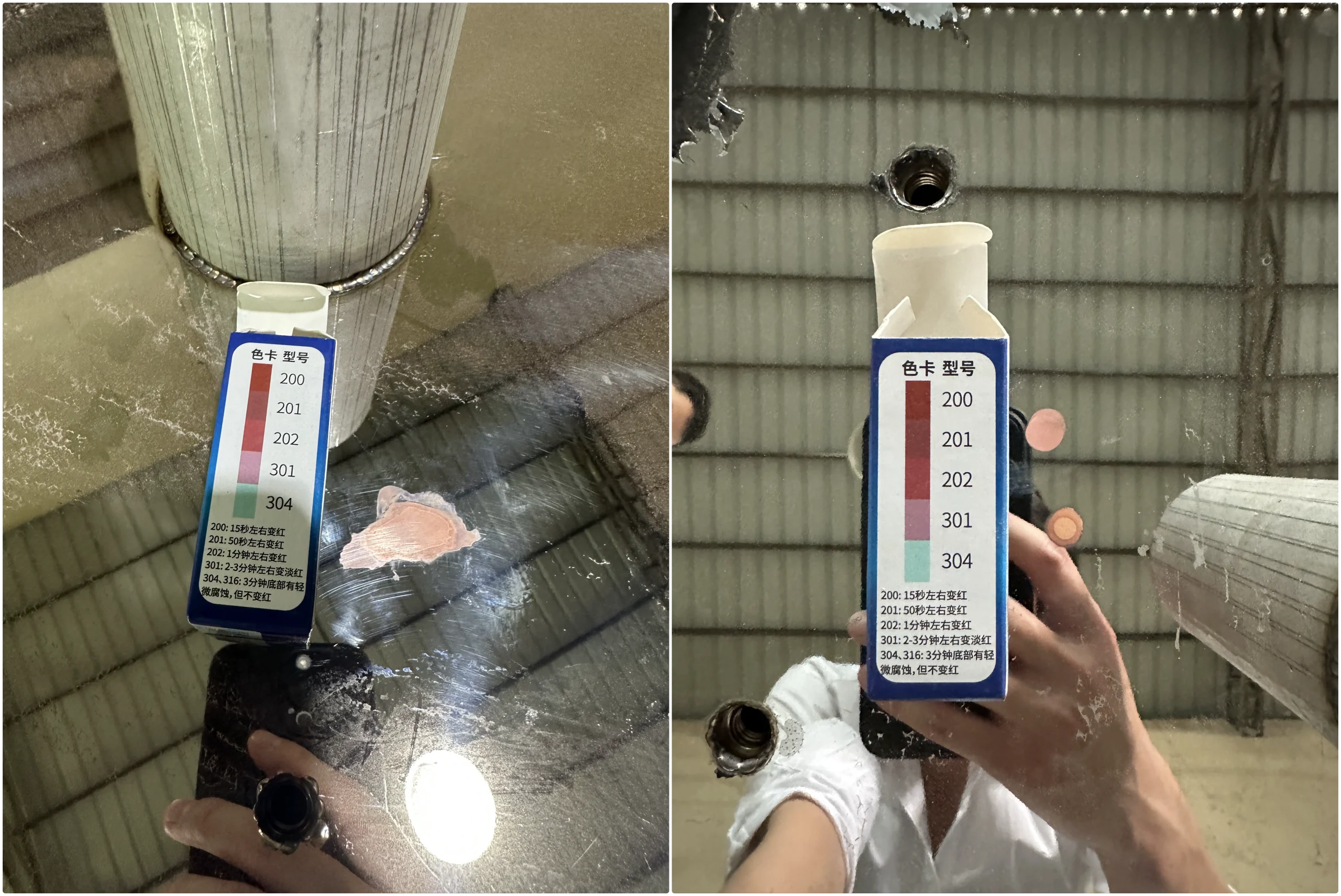
Our team used a professional stainless-steel identification reagent and its accompanying comparison reference as an additional on-site screening method.
The observed response differed from the expected reference for 304 stainless steel. According to the reagent’s comparison chart, it was more consistent with 301 stainless steel.
We treated this as a screening result indicating that the material did not match the expected response for the specified grade.
The reagent screening was not laboratory-grade chemical composition certification. It did not establish an independently certified alloy composition. Where formal composition certification is required, appropriate laboratory analysis is needed.
For this project, the screening finding was sufficient to raise the issue with the factory and require the material concern to be resolved before acceptance.
Investigating Where the Problem Started
After identifying the unexpected response, we discussed the finding with the factory and informed the client.
The factory traced the issue to its upstream raw-material supplier. It stated that it had purchased material it believed to be 304 stainless steel.
The recorded investigation therefore pointed to a problem in the material supply chain that the factory had failed to identify before fabrication.
There was no basis in this case to describe the incident as proven intentional substitution by the sculpture factory.
That distinction matters. The corrective action still needed to address the agreed material requirement, but the explanation of how the problem occurred needed to remain consistent with the available evidence.
Requiring Replacement Against the Confirmed Specification
We referred back to the approved material specification and supplier contract.
The existing components could not simply be accepted because their mirror finish looked satisfactory. The material concern needed to be addressed against the recorded requirement.
The supplier agreed to replace the affected material and reproduce the relevant components.
This correction took place before final completion, final payment, shipment, and installation in Malaysia.
Finding the issue at the factory kept the corrective work within the production process. Discovering it after overseas installation would have introduced a different set of handling and project difficulties.
Reinspection After the Components Were Reproduced
After replacement and reproduction, our team conducted another inspection before final payment.
The material was screened again using the stainless-steel identification reagent. This time, the recorded response was consistent with the expected reference for the specified 304 stainless steel.
The corrected material passed the project’s on-site screening requirement.
That result should be described at the level of the method used: a satisfactory on-site screening response, rather than laboratory certification.
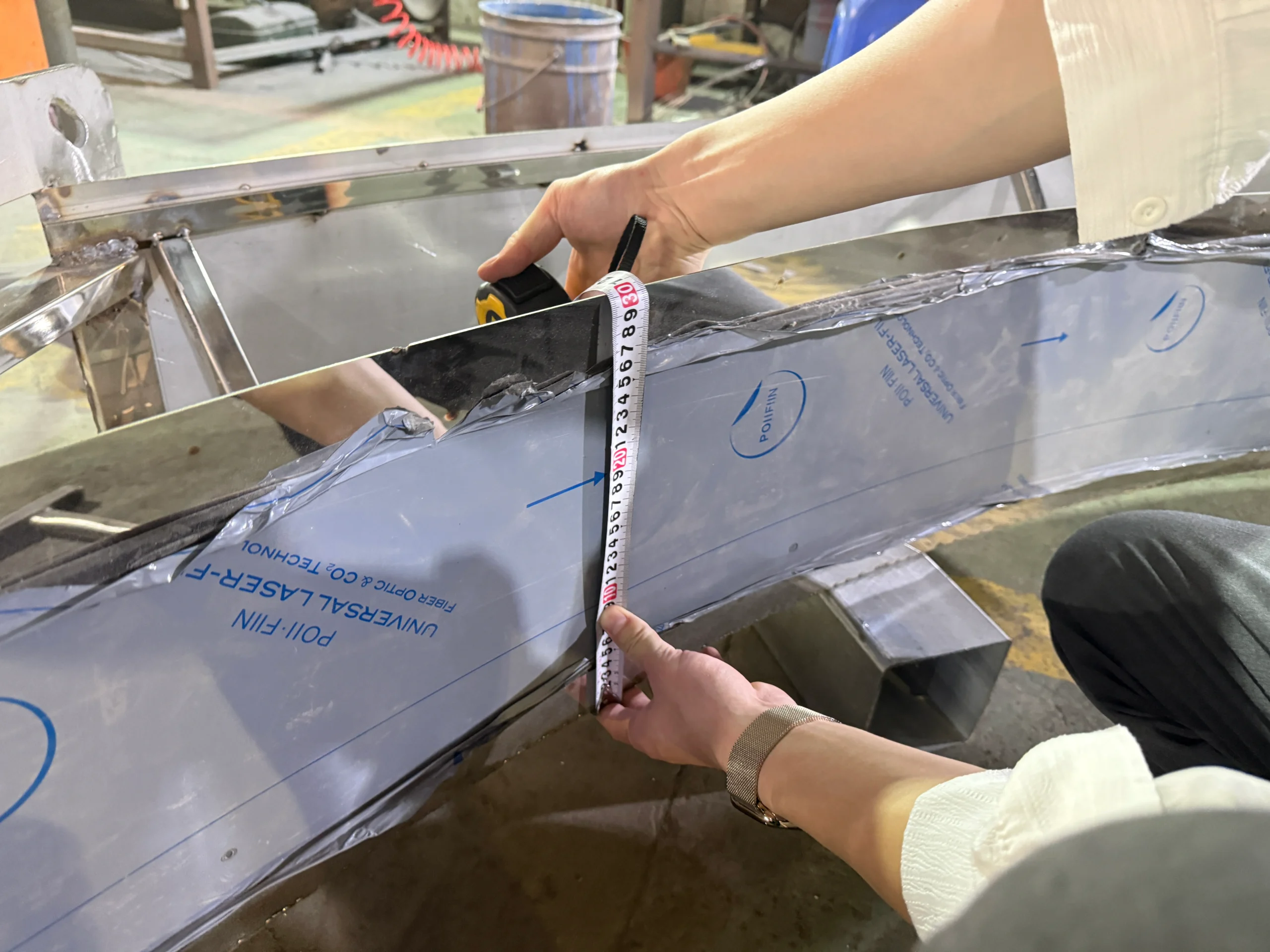
The final inspection also reviewed appearance, mirror finishing, surface quality, dimensions, structural condition, welding, fabrication quality, and the customer’s specifications.
The supplier’s final payment was linked to satisfactory completion and inspection under the agreed project process.
How Staged Payments Supported the Correction
The payment structure included an initial payment, a mid-production payment, and a final payment.
This left an inspection and acceptance stage before the final balance.
The arrangement supported follow-up on the material issue while production and payment obligations were still active. The factory needed to complete the agreed correction and present the reproduced components for inspection.
Staged payments alone would not have identified the problem. They worked alongside a written specification, an on-site check, communication with the client and supplier, and verification of the corrective action.
In this case, those activities formed a connected control process.
The Factory Also Changed Its Incoming-Material Checks
Following the incident, the factory strengthened its own material-receiving process.
It began conducting additional checks on incoming stainless steel before using it in subsequent production, rather than relying solely on the upstream supplier’s description.
This addressed the point at which the problem had entered the factory’s workflow.
The response extended beyond reproducing the affected components. It also changed how the factory checked later material deliveries.
What This Case Shows About Custom Sculpture Manufacturing in China
The documented outcome was specific: a material concern was identified during production, the affected components were reproduced with replacement material, and later screening produced the expected response.
The client was informed about the issue and corrective action and recognized the value of the inspection process.
Several practical lessons follow from that sequence.
Separate Appearance Checks From Material Verification
A finished surface can look acceptable while another requirement remains unverified.
For this project, visual inspection and material screening addressed different questions. Both were relevant to the agreed scope.
Inspect Before Correction Becomes More Difficult
The mid-production visit created an opportunity to identify the concern before the products moved through final completion and shipment.
Inspection timing should reflect the points at which important requirements can still be checked and corrected.
Record the Required Material Clearly
The approved 304 stainless-steel requirement gave the team a clear reference during the supplier discussion.
Without a defined specification, the conversation would have been less precise about what the factory needed to provide.
Follow Corrective Action Through to Reinspection
Agreement to replace material was one step. The reproduced components still needed to be checked.
The later inspection established that the corrective work met the project’s on-site screening requirement and allowed other production details to be reviewed.
Consider the Factory’s Own Material Supply Chain
The factory reported that it believed it had purchased the correct material.
This case shows why an evaluation of the direct supplier may sometimes need to include how that supplier checks incoming materials.
Supporting a Custom Fabrication Project From Specification to Inspection
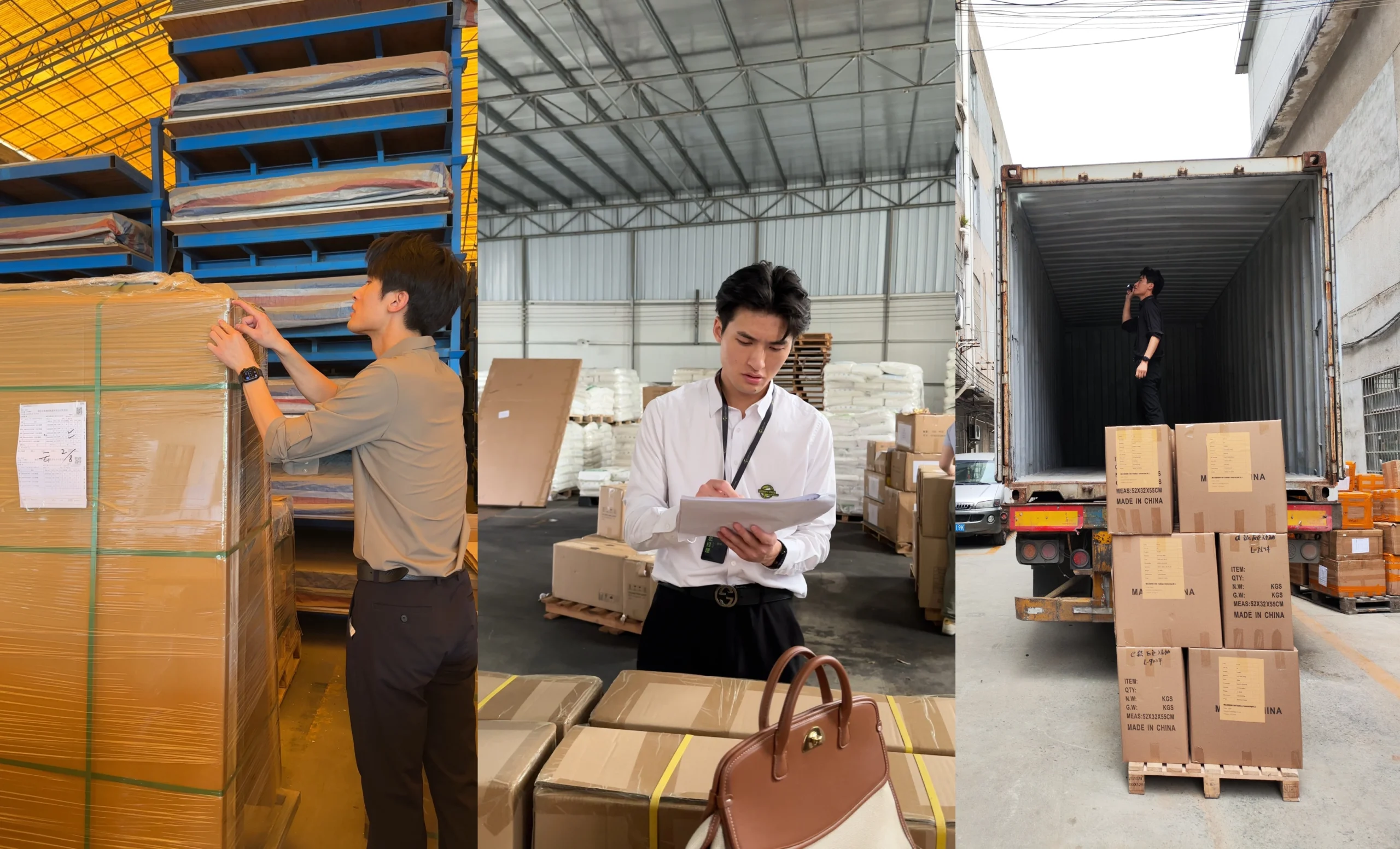
For this sculpture order, Cody Sourcing’s work included checking production, raising the material concern, communicating with the client and factory, following replacement and reproduction, and conducting a later inspection.
The broader theme park project remained under construction at the time of the case record.
For overseas buyers planning custom sculptures or metal fabrication, the useful starting point is a clear set of drawings, dimensions, materials, finishing requirements, installation considerations, and acceptance criteria.
Share those requirements and your project timeline with Cody Sourcing. We can review the supplier coordination, production follow-up, and inspection stages appropriate to your custom manufacturing project.
