


Top Kitchenware Manufacturing Clusters in China: Complete Brands & Sourcing Guide

Kitchenware manufacturing clusters in China play a key role in global supply chains for importers, wholesalers, Amazon sellers, retailers, and project buyers.
Instead of relying on a single “top 10 manufacturers list,” the real structure of China’s kitchenware industry is built on regional manufacturing clusters + OEM factories + leading brands.
Understanding these clusters helps buyers find better suppliers, reduce sourcing risks, and improve product quality control.

Why Kitchenware Manufacturing Clusters Matter
China does not produce kitchenware in one single location. Instead, different regions specialize in different product categories.
Each cluster has its own strengths:
- Cookware production hubs
- Knife and cutlery clusters
- Silicone kitchenware factories
- Plastic kitchenware regions
- Glassware manufacturing bases
- Commercial kitchen equipment factories
For importers and wholesalers, choosing the right cluster is more important than choosing a random supplier online.
1. Stainless Steel Cookware Cluster (Guangdong & Zhejiang)
This is one of the strongest kitchenware clusters in China.
Key regions:
- Yongkang (Zhejiang)
- Chaozhou (Guangdong)
Key products:
- Stainless steel pots
- Cookware sets
- Pressure cookers
- Kitchen bowls
Leading brands:
- SUPOR (苏泊尔)
- ASD (爱仕达)
- Cooker King (炊大王)
These companies combine domestic retail strength with OEM export capability.
2. Knife & Cutlery Cluster (Yangjiang, Guangdong)
Yangjiang is known as the “Knife Capital of China.”
Products:
- Kitchen knives
- Cutlery sets
- Scissors
- Professional chef tools
Representative brands:
- Shibazi (十八子作)
- Wangmazi (王麻子)
This cluster is highly export-oriented and supports OEM production for global brands.
3. Silicone Kitchenware Cluster (Dongguan & Shenzhen)
This cluster is focused on modern kitchen tools and Amazon OEM products.
Products:
- Silicone spatulas
- Baking tools
- Kitchen mats
- Baby kitchen accessories
Typical factories:
- Dongguan Lianxin Silicone
- Dongguan Ruixin Silicone OEM factories
Most suppliers support FDA and LFGB standards for export markets.

4. Plastic Kitchenware Cluster (Taizhou & Shantou)
This is one of the largest plastic kitchenware production bases.
Products:
- Storage boxes
- Plastic bowls
- Kitchen organizers
- Measuring tools
Key regions:
- Taizhou (Zhejiang)
- Shantou (Guangdong)
Representative companies:
- Haixin Plastic factories
- EKO Household products
5. Glass Kitchenware Cluster (Xuzhou & Liling)
This cluster specializes in glass storage and kitchen products.
Products:
- Glass jars
- Storage containers
- Glass bowls
- Food containers
Key regions:
- Xuzhou (Jiangsu)
- Liling (Hunan)
These factories are widely used for export packaging products and retail kitchenware.
6. Food Storage Container Cluster (Zhejiang)
This cluster focuses on household storage products for global retail markets.
Products:
- Airtight containers
- Plastic food boxes
- Glass storage jars
Typical suppliers:
- Taizhou storage factories
- OEM suppliers for global retail chains
7. Bakeware Manufacturing Cluster (Guangdong & Jiangmen)
This cluster supports global baking product supply chains.
Products:
- Baking trays
- Cake molds
- Oven tools
- Baking accessories
Most factories serve Amazon sellers and European importers.
8. Commercial Kitchen Equipment Cluster (Shandong & Guangdong)
This cluster serves hotels, restaurants, and catering industries.
Products:
- Stainless steel worktables
- Kitchen sinks
- Commercial ovens
- Food preparation equipment
Representative manufacturers:
- Hualing Kitchen Equipment
- Xingchen Commercial Kitchen Equipment
9. OEM & Private Label Kitchenware Manufacturers
Many factories in China do not sell under their own brand.
Instead, they provide OEM services:
- Private label production
- Logo customization
- Packaging design
- Amazon-ready packaging
- Wholesale branding solutions
Brands like Suncha (双枪) also operate in OEM + retail hybrid models.
10. How to Choose Kitchenware Manufacturers in China
When selecting suppliers, importers should consider:
- Manufacturing cluster location
- Product specialization
- OEM capability
- MOQ requirements
- Material quality
- Export experience
- Certification (FDA / LFGB if needed)
- Packaging quality
- Quality inspection process
- Shipping support
A good supplier is not just about price — it is about supply chain stability and consistency.
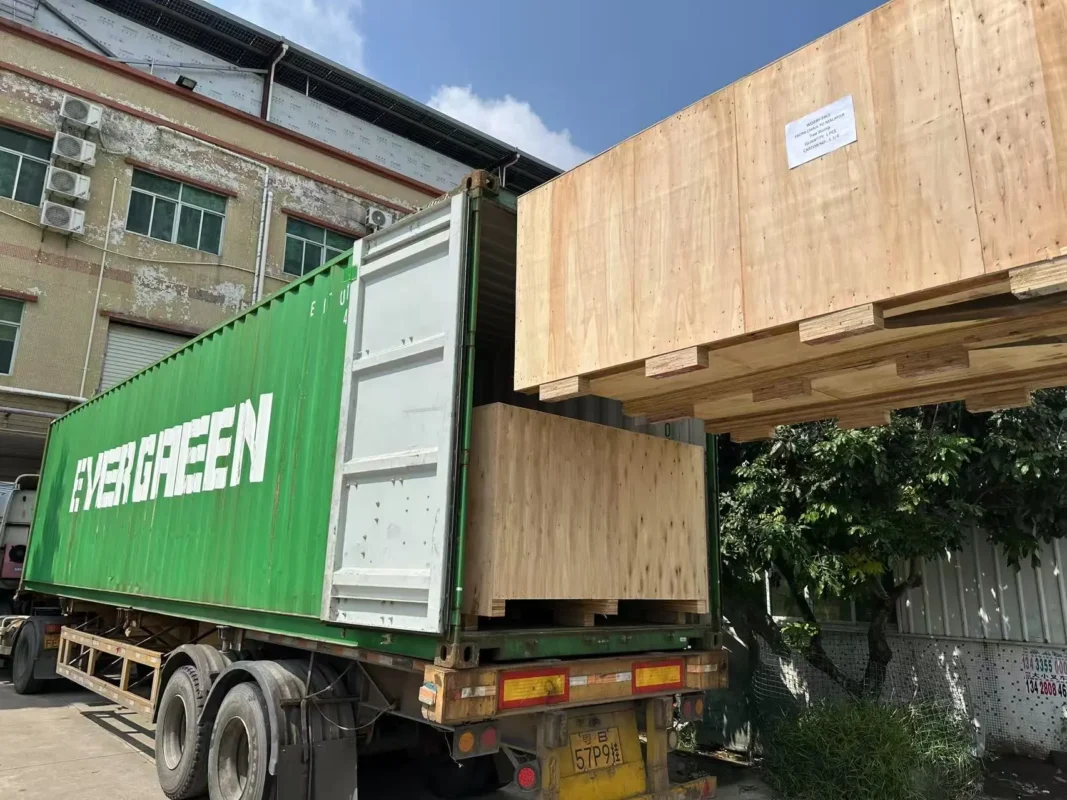
Common Mistakes Importers Should Avoid
- Choosing suppliers only by price
- Ignoring manufacturing clusters
- Not checking material standards
- Skipping sample confirmation
- Not inspecting production before shipping
- Mixing too many unrelated suppliers
- Ignoring packaging strength
Most sourcing risks can be reduced with proper supplier verification and quality control.
Final Thoughts
China’s kitchenware industry is not a simple “Top 10 manufacturers list.”
It is a complete system made of regional manufacturing clusters, OEM factories, and leading brands.
Understanding this structure helps importers and wholesalers make better sourcing decisions, reduce risk, and build more stable supply chains.
