


Restaurant Kitchenware Suppliers in China: Sourcing Guide for Restaurants and Food Businesses

Opening a restaurant requires much more than choosing a location and designing the menu.
From cookware and preparation tools to tableware, storage products and customized serving items, every restaurant needs hundreds of products before opening or expanding.
For many restaurant owners, distributors and food businesses, sourcing from China has become an option because Chinese manufacturers offer a wide range of kitchenware products, flexible customization options and mature export experience.
However, the challenge is not simply finding restaurant kitchenware suppliers in China.
The real challenge is finding suppliers that can consistently provide the right quality, specifications and delivery reliability for a commercial food business.
Why Restaurants Source Kitchenware From China
China has developed one of the world’s largest kitchenware manufacturing supply chains.
For restaurant buyers, the main advantage is not only price.
The bigger advantage is the ability to source different categories from one manufacturing market.
A restaurant project may require:
- stainless steel cookware;
- kitchen utensils;
- knives and preparation tools;
- food storage containers;
- serving trays;
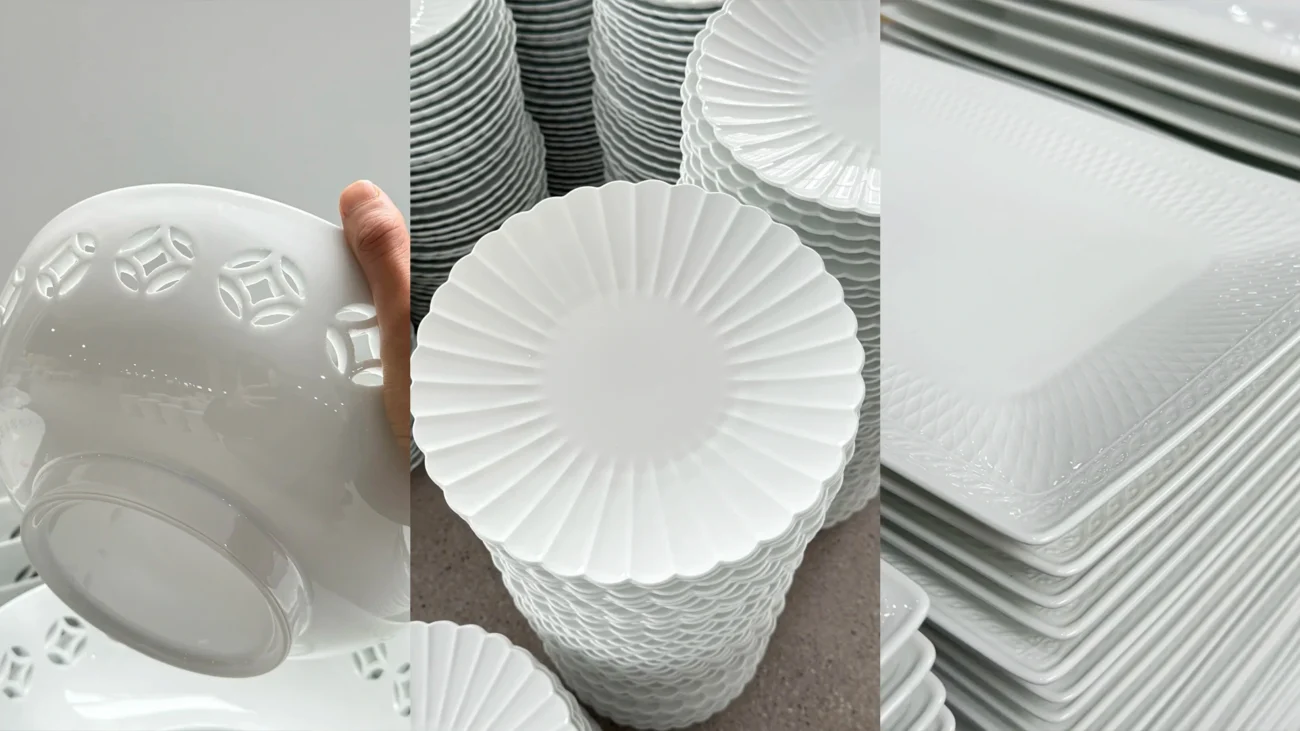
- ceramic tableware;
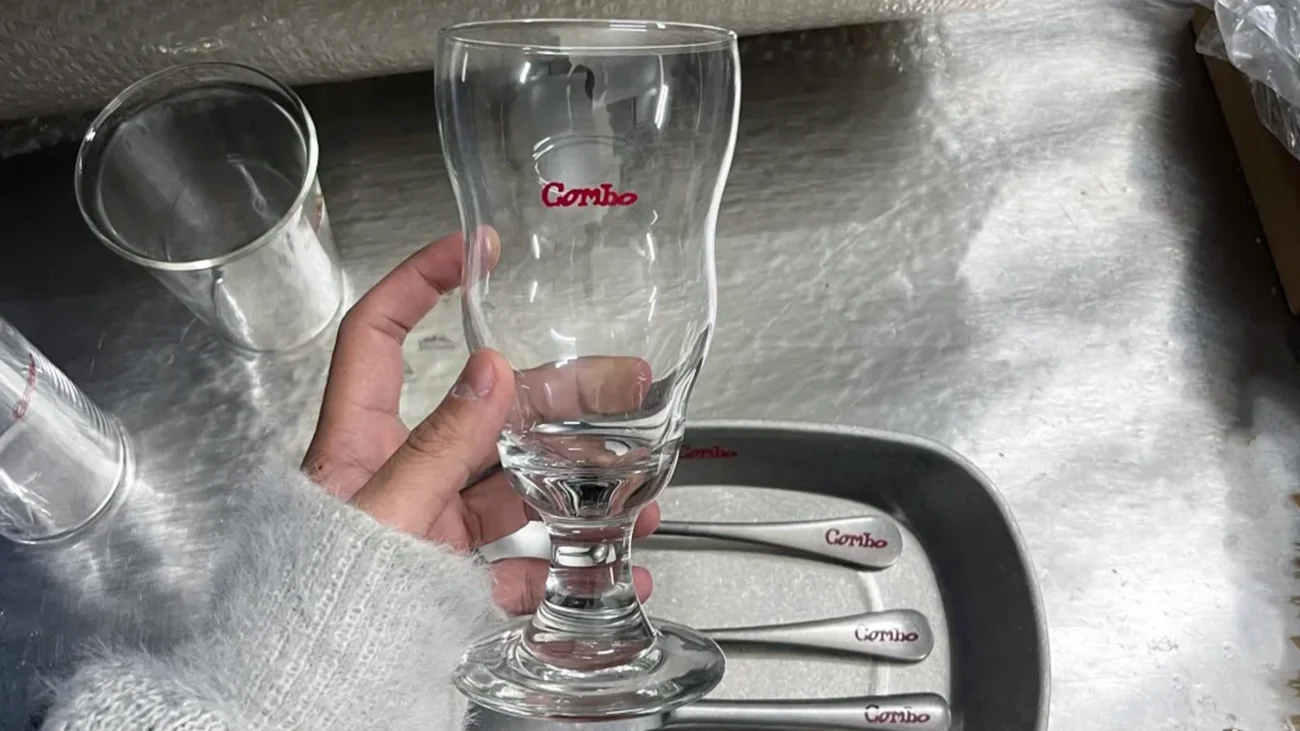
- glassware;
- customized restaurant products.
Instead of working with multiple local suppliers, some buyers choose to combine different product categories through China suppliers.
This can help simplify:
- supplier communication;
- product development;
- quality management;
- shipment coordination.
For businesses opening new restaurants or expanding multiple locations, sourcing efficiency can become an important part of controlling project costs.
What Restaurant Kitchenware Products Can Be Sourced From China?
One reason international buyers look for Chinese suppliers is the variety of available products.
The Chinese kitchenware industry covers both everyday restaurant supplies and customized commercial solutions.
Back-of-House Kitchen Products
For professional kitchens, buyers commonly source:
- stainless steel cookware;
- frying pans and pots;
- kitchen knives;
- chopping boards;
- food preparation tools;
- storage containers;
- serving equipment.
Commercial kitchens often require products that can handle frequent use.
Therefore, restaurant buyers should focus on more than appearance.
Important factors include:
- material quality;
- product thickness;
- durability;
- manufacturing consistency.
Front-of-House Restaurant Supplies
Restaurants also source products that directly influence customer experience.
Examples include:
- plates;
- bowls;
- cups;
- cutlery;
- serving trays;
- customized tableware.
For restaurants with a specific brand identity, Chinese suppliers can often provide OEM options such as:
- logo printing;
- customized colors;
- packaging design;
- special product shapes.
Customized Kitchenware For Restaurant Brands
Many growing restaurant brands do not simply purchase standard products.
They need products that match their concept.
For example:
- a Japanese restaurant may require specific tableware styles;
- a hotel restaurant may need customized serving products;
- a chain restaurant may require consistent products across different locations.
China suppliers with OEM production capability can support these requirements.
However, customization also requires stronger supplier communication and quality control.
How To Choose Reliable Restaurant Kitchenware Suppliers in China
Choosing the right restaurant kitchenware suppliers in China requires more than checking product catalogs. Commercial buyers need to evaluate manufacturing capability, export experience and quality management before placing orders.
Finding suppliers online is relatively easy.
The difficult part is understanding whether a supplier is suitable for a commercial restaurant project.
A reliable supplier evaluation process should consider several factors.
Manufacturing Capability
The first question is whether the supplier can actually produce the products required.
Some companies are trading companies, while others operate their own factories.
Neither option is automatically better.
A trading company may provide:
- wider product sourcing ability;
- easier communication;
- multiple supplier coordination.
A factory may provide:
- direct production control;
- technical expertise;
- manufacturing customization.
The important point is matching the supplier type with the project requirements.
Export Experience
Restaurant products often need to meet international shipping and market requirements.
Experienced suppliers usually understand:
- export packaging;
- documentation requirements;
- international communication;
- product inspection processes.
For overseas buyers, export experience can reduce unexpected problems during shipment.
Product Samples And Specifications
Before bulk ordering, restaurant buyers should confirm product details clearly.
Important information includes:
- material specification;
- dimensions;
- thickness;
- finish;
- packaging method.
A product photo is usually not enough.
The approved sample should become the reference standard for mass production.
Supplier Verification Before Large Orders
A supplier’s website, product photos and quotation do not always show the complete picture.
Before placing a large order, buyers should verify:
- company background;
- production capability;
- previous export experience;
- quality management process.
For more information, read:
🔗How to Verify Kitchenware Suppliers in China Before Bulk Ordering
Quality Control Is Critical For Restaurant Kitchenware
Restaurant kitchenware is used frequently and directly affects daily operations.
A quality problem is not only a product issue.
It can create:
- replacement costs;
- operational delays;
- customer experience problems.
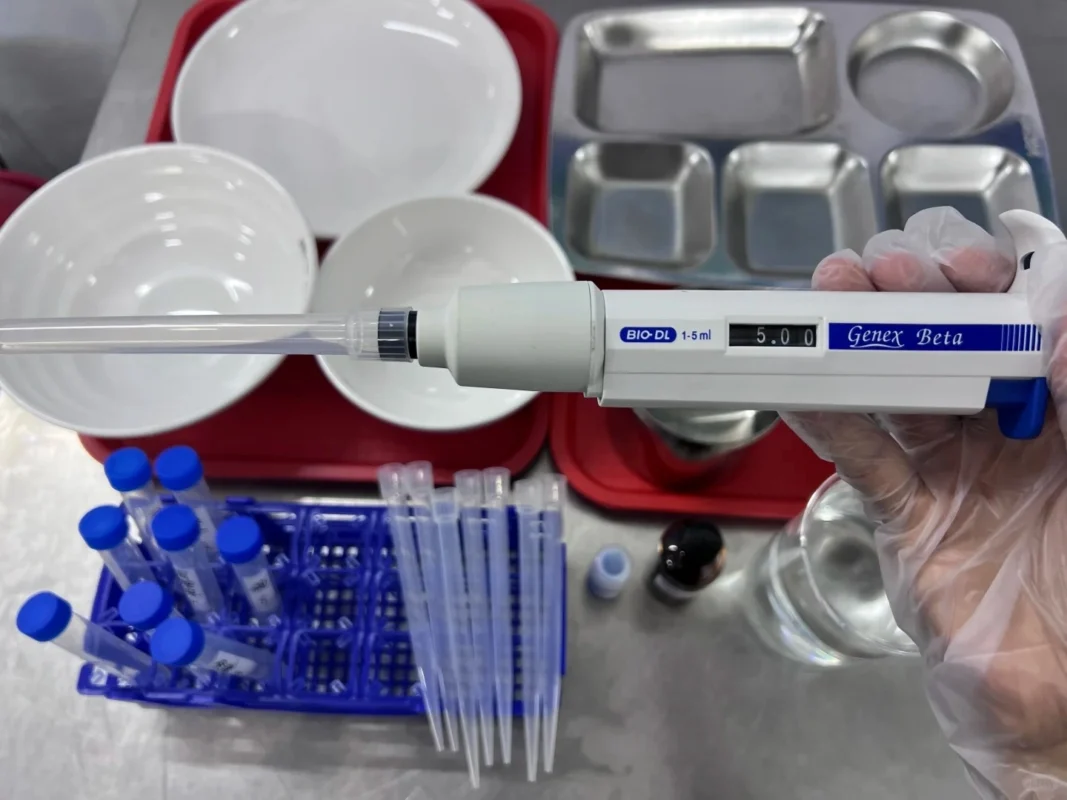
Before shipment, professional buyers often arrange inspections to check:
- product quantity;
- appearance;
- material consistency;
- packaging condition;
- production quality.
For more details:
🔗Kitchenware Quality Inspection in China: Avoid Quality Problems Before Shipment
China Kitchenware Suppliers vs Local Purchasing: What Buyers Should Consider
Many restaurants compare China sourcing with local purchasing.
Local suppliers may provide advantages such as:
- faster delivery;
- easier communication;
- smaller order quantities.
However, China suppliers may offer advantages in:
- product variety;
- customization capability;
- manufacturing options;
- large-scale production experience.
The right choice depends on the restaurant’s requirements.
For a small urgent replacement order, local purchasing may be more practical.
For a new restaurant opening, chain expansion or private label project, international sourcing may provide more flexibility.
Managing Different Kitchenware Suppliers From China
A common challenge for restaurant buyers is not finding products.
It is managing multiple suppliers.
A complete restaurant opening project may involve:
- cookware suppliers;
- tableware suppliers;
- packaging suppliers;
- furniture suppliers;
- lighting suppliers.
Each supplier may have different:
- production schedules;
- payment terms;
- packaging standards;
- shipping requirements.
This is where professional sourcing management can create value.
Instead of only connecting buyers with factories, a sourcing partner can help coordinate:
- supplier communication;
- product confirmation;
- production follow-up;
- quality inspection;
- shipment arrangement.
Compliance Considerations For Restaurant Kitchenware Imports
Restaurant buyers should also consider market-specific requirements.
Different countries may have different expectations regarding:
- food contact materials;
- product testing;
- labeling;
- documentation.
For example, buyers importing food-contact products into different markets may need to confirm applicable regulations before production.
Related guide:
🔗FDA and LFGB for Kitchenware Imported From China: What Buyers Need to Know

A Common Restaurant Sourcing Situation
A common situation for food businesses is sourcing many different products for a new restaurant project.
The challenge is usually not one individual product.
The challenge is coordinating:
- different suppliers;
- different production timelines;
- different quality standards.
A restaurant owner may find a suitable cookware supplier, but still need support managing tableware, packaging, inspection and shipment coordination.
Successful sourcing depends on controlling the entire process, not only finding the lowest quotation.
Final Thoughts: Choosing The Right Restaurant Kitchenware Suppliers in China
For restaurants and food businesses, working with suitable restaurant kitchenware suppliers in China can simplify sourcing, but supplier selection and quality control remain critical.
China offers extensive opportunities for restaurants and food businesses looking for kitchenware suppliers.
However, successful sourcing requires more than comparing prices.
The most important factors are:
- suitable suppliers;
- clear product specifications;
- reliable quality control;
- effective communication;
- proper shipment management.
For restaurant owners, distributors and food businesses, the goal is not simply to buy kitchenware from China.
The goal is to build a stable supply chain that supports long-term business growth.
