


Private Label Kitchenware from China: OEM Sourcing Guide for Custom Brands

Building a successful kitchenware brand requires more than finding products at a low price.
Many overseas brands start with a simple question:
How can we create kitchen products that are unique to our own brand?
This is where private label kitchenware from China becomes an attractive option.
Instead of selling generic products available from many suppliers, private label allows businesses to create products with their own identity through:
- Custom logos
- Brand packaging
- Product modifications
- Exclusive designs
- OEM manufacturing
China has developed one of the world’s most complete kitchenware supply chains, allowing brands to move from an initial product idea to a finished product ready for retail markets.
However, successful private label development is not only about finding a factory.
The key challenges are choosing the right supplier, controlling product quality, managing customization details, and ensuring the final product matches the brand vision.
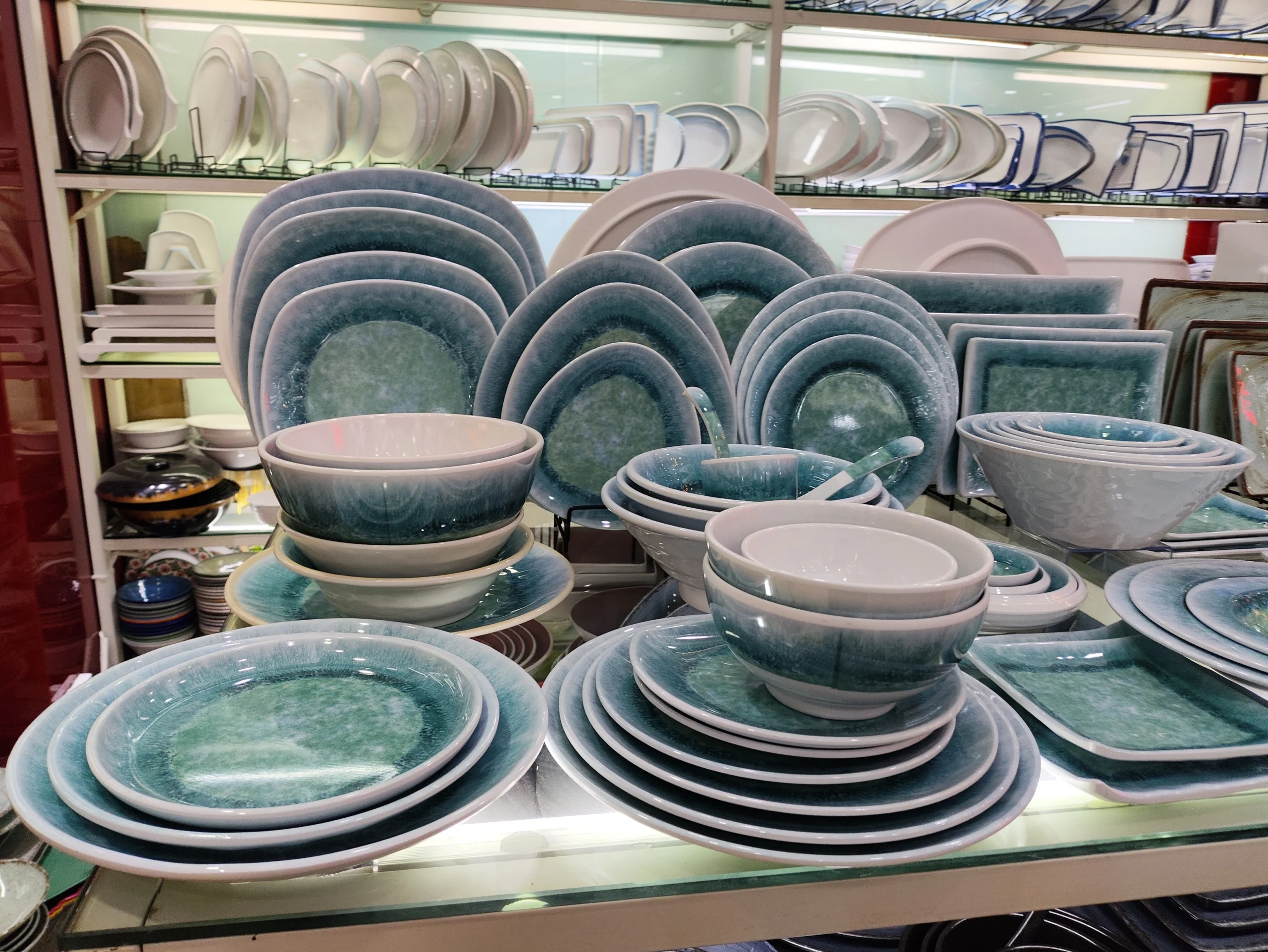
What Is Private Label Kitchenware?
Private label kitchenware means products manufactured by a supplier but sold under your own brand name.
Instead of creating a factory from scratch, businesses work with manufacturers to develop products that represent their own brand.
There are several levels of customization.
Basic Private Label
The simplest model is:
Existing factory product + your logo + your packaging
Examples:
- Kitchen knives with engraved logos
- Cooking tools with branded packaging
- Storage containers with custom labels
This option usually requires less development time and lower investment.
OEM Kitchenware Development
OEM (Original Equipment Manufacturing) goes further.
The buyer may customize:
- Product design
- Materials
- Colors
- Functions
- Packaging
For example:
A kitchen brand may choose an existing knife structure but modify:
- Handle material
- Blade finish
- Gift box design
ODM Product Development
ODM involves more product creation from the supplier side.
The manufacturer may provide:
- Product concepts
- Engineering solutions
- Existing designs
- Production expertise
For brands entering a new category, ODM can reduce development difficulty.
Why Brands Choose China for Private Label Kitchenware
China’s advantage in kitchenware manufacturing comes from its complete industrial ecosystem.
Different regions specialize in different product categories.
For example:
- Yangjiang, Guangdong is known for knives and cutlery production.
- Chaozhou, Guangdong has a strong ceramic tableware supply chain.
- Zhejiang and Yiwu provide many household and kitchen accessories.
- Guangdong manufacturers are experienced in stainless steel, plastic products, and household goods.
This regional specialization allows buyers to source different kitchen categories through a connected supply chain.
A brand developing a restaurant collection may need:
- Kitchen knives
- Ceramic plates
- Cooking utensils
- Storage products
- Packaging
Working with suppliers across these categories requires more than online searching. It requires understanding which manufacturing areas match each product.
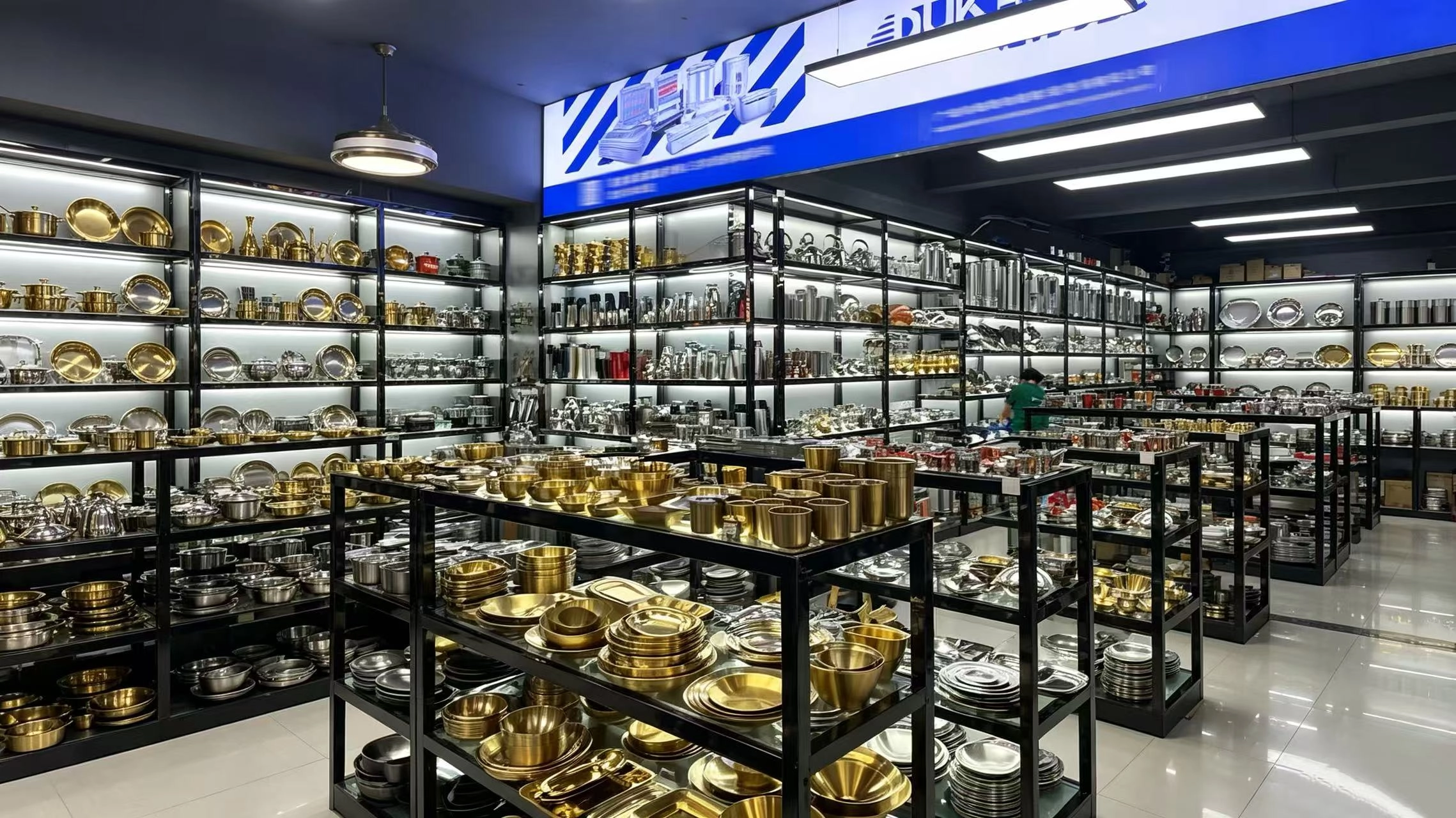
What Kitchenware Products Can Be Private Labeled?
Private label kitchenware covers a wide range of products.
Kitchen Knives and Cutlery
Common customization options:
- Laser logo engraving
- Handle customization
- Blade material selection
- Gift packaging
For knife brands, supplier selection is especially important because production processes directly affect:
- Sharpness
- Durability
- Surface finish
- Safety
Cooking Tools
Examples:
- Spatulas
- Tongs
- Whisks
- Measuring tools
- Cooking accessories
Brands often differentiate these products through:
- Material upgrades
- Color combinations
- Packaging design
Kitchen Storage Products
Popular private label categories include:
- Food containers
- Spice organizers
- Drawer organizers
- Kitchen racks
These products are often suitable for ecommerce brands because packaging and design can create stronger product differentiation.
Restaurant and Hospitality Kitchenware
Commercial buyers may develop:
- Branded tableware
- Restaurant tools
- Custom serving products
These projects often require larger quantities and stronger quality consistency.
How Private Label Kitchenware Development Works in China
A successful private label project usually develops through several stages.
Product Research and Supplier Matching
The first step is understanding:
- Target customers
- Market positioning
- Expected price range
- Product requirements
A premium kitchen brand and a mass-market retailer may need completely different suppliers.
The cheapest factory is not always the correct choice.
The right supplier should match:
- Product category
- Quality expectations
- Production capability
- Export experience
Sample Development and Product Approval
Before mass production, samples are usually required.
The process may include:
- Product selection
- Sample production
- Design adjustment
- Material confirmation
- Final approval
Common changes include:
- Logo position
- Color adjustment
- Packaging improvement
- Product details
Many overseas buyers underestimate how important this stage is.
Small details decided during sampling can affect the final customer experience.
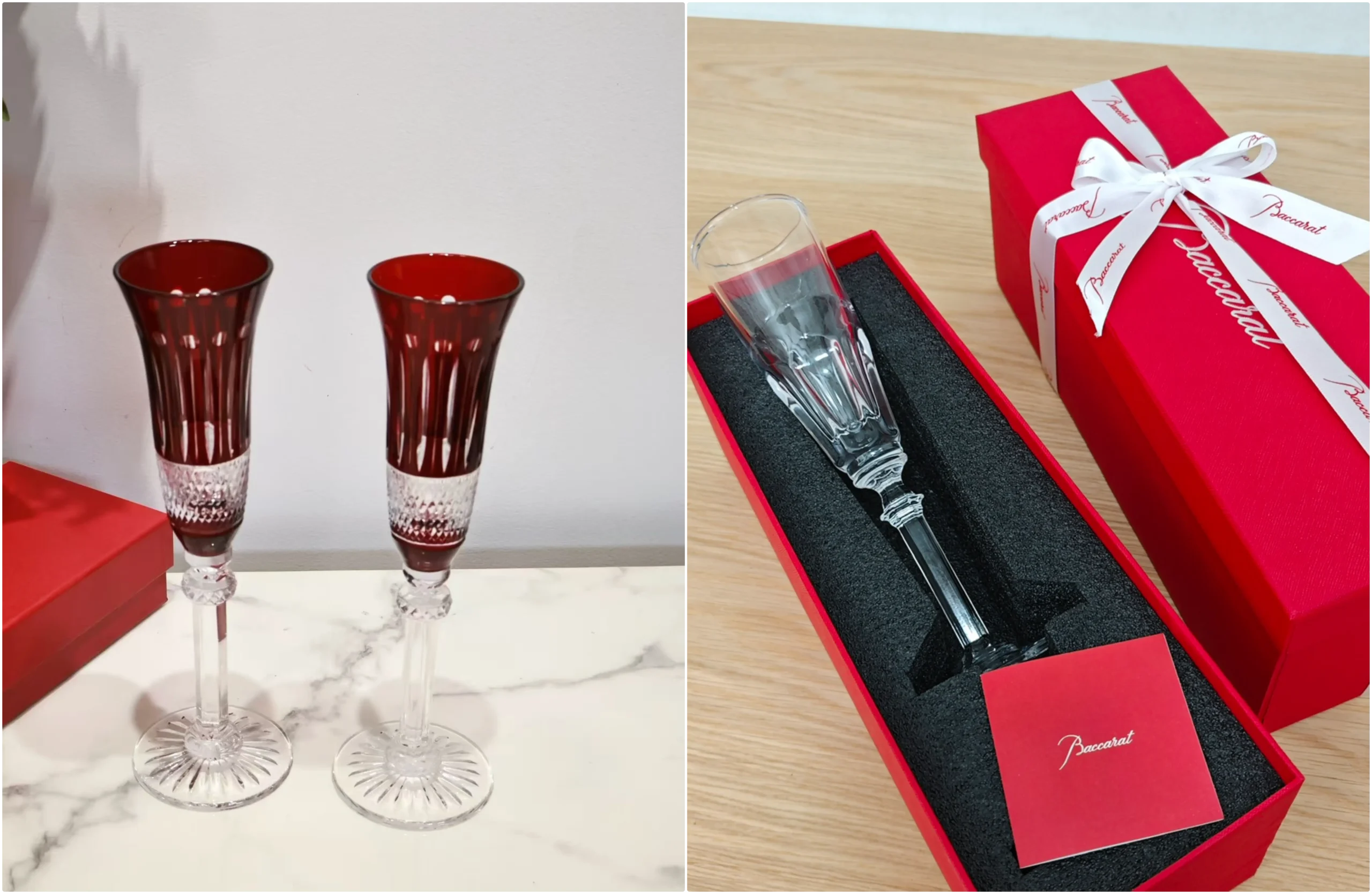
Logo Customization for Private Label Kitchenware
Logo customization depends heavily on the product material.
Different products require different techniques.
Stainless Steel Products
Common methods:
- Laser engraving
- Printing
- Etching
Ceramic Products
Common methods:
- Decal printing
- Glazing
- Custom patterns
Plastic Products
Possible options:
- Printing
- Mold modification
- Embossing
The best method depends on:
- Product material
- Order quantity
- Target market
- Budget
Packaging Development: Turning Products Into a Brand
Many brands focus heavily on the product but underestimate packaging.
For retail products, packaging influences:
- First impression
- Customer perception
- Brand recognition
Private label packaging may include:
- Retail boxes
- Color packaging
- Gift packaging
- Instruction manuals
- Barcode labels
A factory may produce an excellent product, but poor packaging can weaken the entire brand presentation.
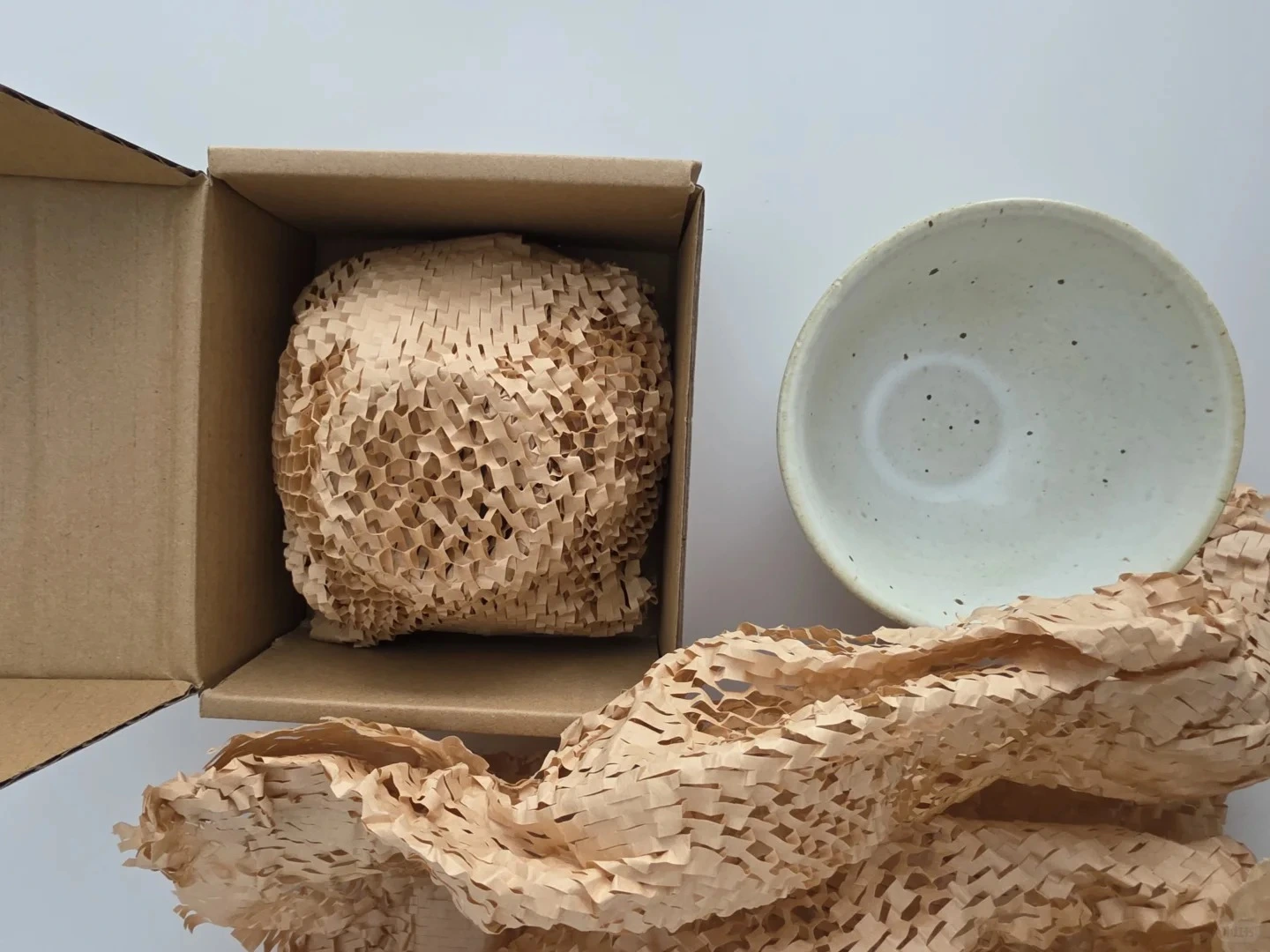
Common Challenges When Sourcing Private Label Kitchenware from China
Choosing Suppliers Only Based on Price
Low factory prices may create problems later:
- Quality inconsistency
- Delayed production
- Poor communication
A reliable supplier should be evaluated based on overall capability.
Ignoring MOQ Requirements
Private label products often require minimum quantities because suppliers may need:
- Custom packaging
- Special materials
- Production adjustments
For smaller brands, a practical approach is often:
- Start with existing products
- Add branding
- Test the market
- Develop deeper customization later
Lack of Quality Control
International buyers cannot easily solve quality issues after shipment arrives.
Important inspection points include:
- Product appearance
- Function testing
- Packaging condition
- Quantity verification
Real Sourcing Experience: Why Local Supply Chain Management Matters
Many buyers initially believe private label sourcing is simply:
Find factory → Place order → Receive products
In reality, successful projects involve continuous coordination.
The process includes:
- Supplier communication
- Sample review
- Production follow-up
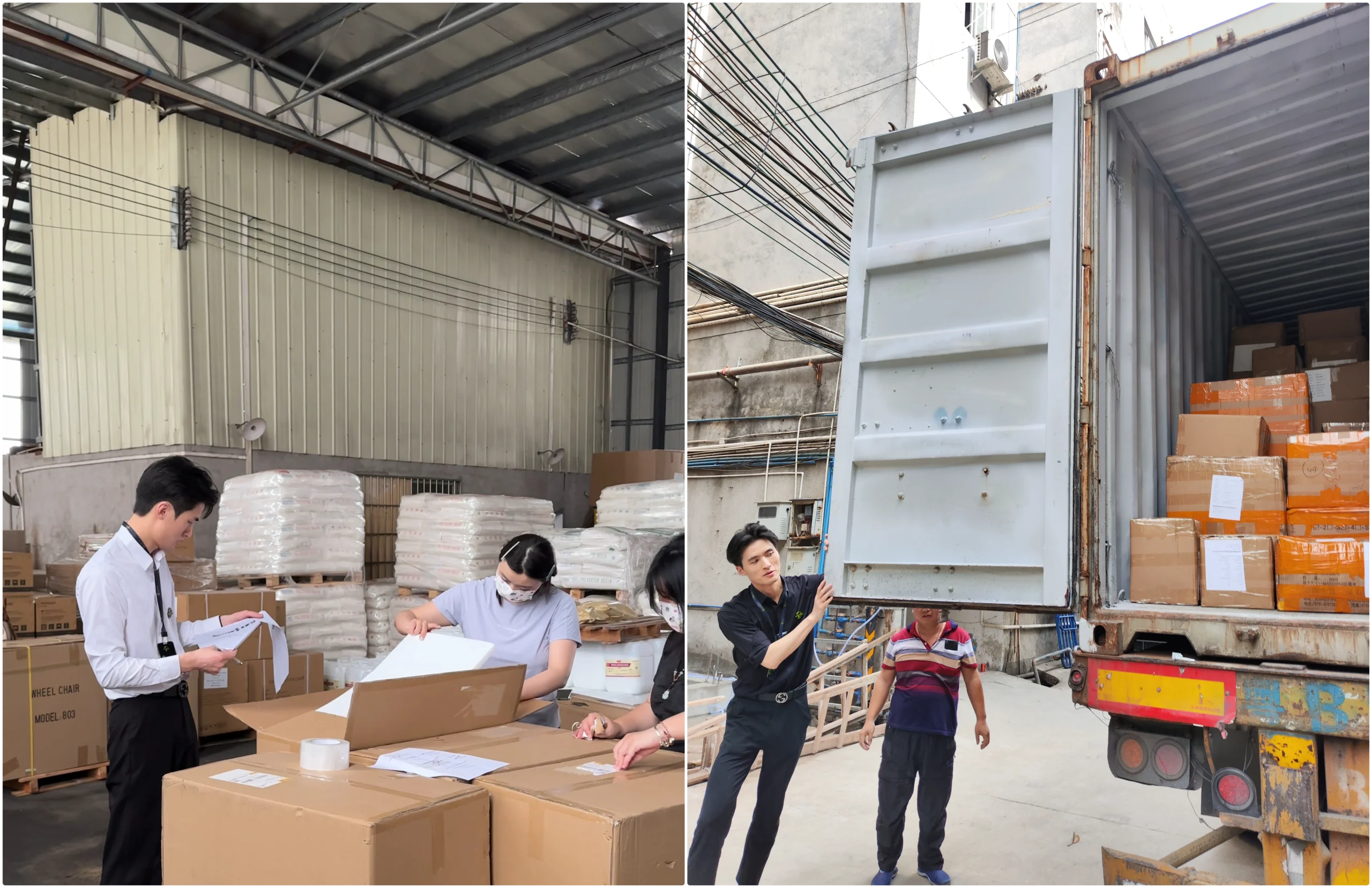
- Quality inspection
- Shipping arrangement
The biggest challenge is often translating brand expectations into factory production requirements.
A product description from a buyer may sound simple:
“Make this kitchen tool more premium.”
But the factory needs specific information:
- Material
- Dimensions
- Surface treatment
- Packaging requirements
This communication gap is where professional sourcing support creates value.
How Cody Sourcing Helps Develop Private Label Kitchenware
For overseas brands, finding suppliers is only one part of the process.
Cody Sourcing helps manage:
- Supplier research
- Factory communication
- Product evaluation
- Sample coordination
- Production follow-up
- Quality inspection
- Shipping coordination
Through experience with different Chinese manufacturing regions, buyers can access suppliers that match their product goals instead of randomly contacting factories.
For brands looking for private label kitchenware from China, the objective is not simply finding the lowest quotation.
The goal is building a reliable supply chain that supports long-term brand growth.
Conclusion: Building Your Kitchenware Brand Through Chinese Suppliers
Private label kitchenware provides an opportunity for businesses to create products with stronger brand identity.
China offers:
- Manufacturing capability
- Product variety
- Customization options
- OEM experience
However, successful development requires careful supplier selection, clear communication, and professional quality management.
A strong private label product is not created only in the factory.
It is created through the combination of product ideas, manufacturing expertise, branding, and supply chain execution.
