


Foshan Beyond Furniture: Ceramics, Kung Fu and Lingnan Culture Through a Sourcing Lens

Foshan sourcing insights are not only about furniture markets, factory visits or product prices.
For many overseas buyers, Foshan first appears as a furniture city. They may hear about sofas, dining tables, beds, hotel furniture, restaurant seating, ceramic tiles, bathroom products and building materials.
But when you spend more time in Foshan, you begin to understand something deeper: products are never separated from the place where they are made.
Foshan is not only a manufacturing city. It is a city shaped by ceramics, kung fu, lion dance, Lingnan architecture, Cantonese food, practical business habits and generations of craftsmanship. These cultural layers are not decoration. They help explain why Foshan became such an important part of South China sourcing.
From years of visiting factories, markets and suppliers across South China, Cody Sourcing has learned that good sourcing is never only about finding products. It is also about understanding the city, the people, the materials and the local supplier logic behind them.
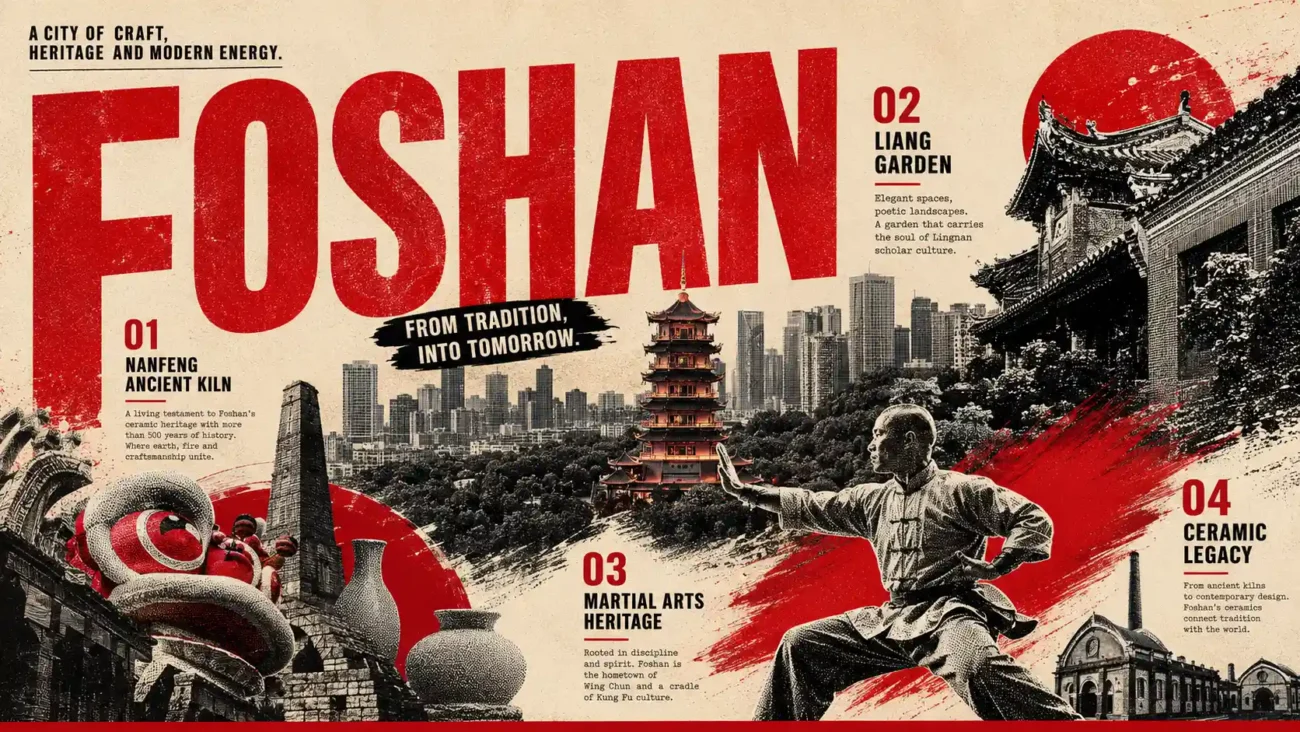
Foshan Is More Than a Furniture City
Foshan is often introduced to overseas buyers through furniture.
That is understandable. The city is closely connected with sofas, dining furniture, beds, hotel furniture, commercial seating and customized interior products. For many buyers working on villas, apartments, hotels or restaurants, Foshan is one of the first places they want to visit.
But furniture is only the surface.
To understand Foshan more deeply, buyers need to look beyond showrooms and price tags. Foshan has a long history of making things by hand, improving materials through practice, and turning local craft into real products for daily life.
This is why Foshan feels different from a simple trading city.
It has a strong “maker” character.
People here are used to materials, workshops, product samples, physical comparison and face-to-face business. A sofa is not only a sofa. A ceramic tile is not only a tile. A cabinet is not only a cabinet. Behind each product, there are materials, workers, suppliers, local habits and years of manufacturing experience.
This is the first thing many buyers do not see from photos or online catalogues.
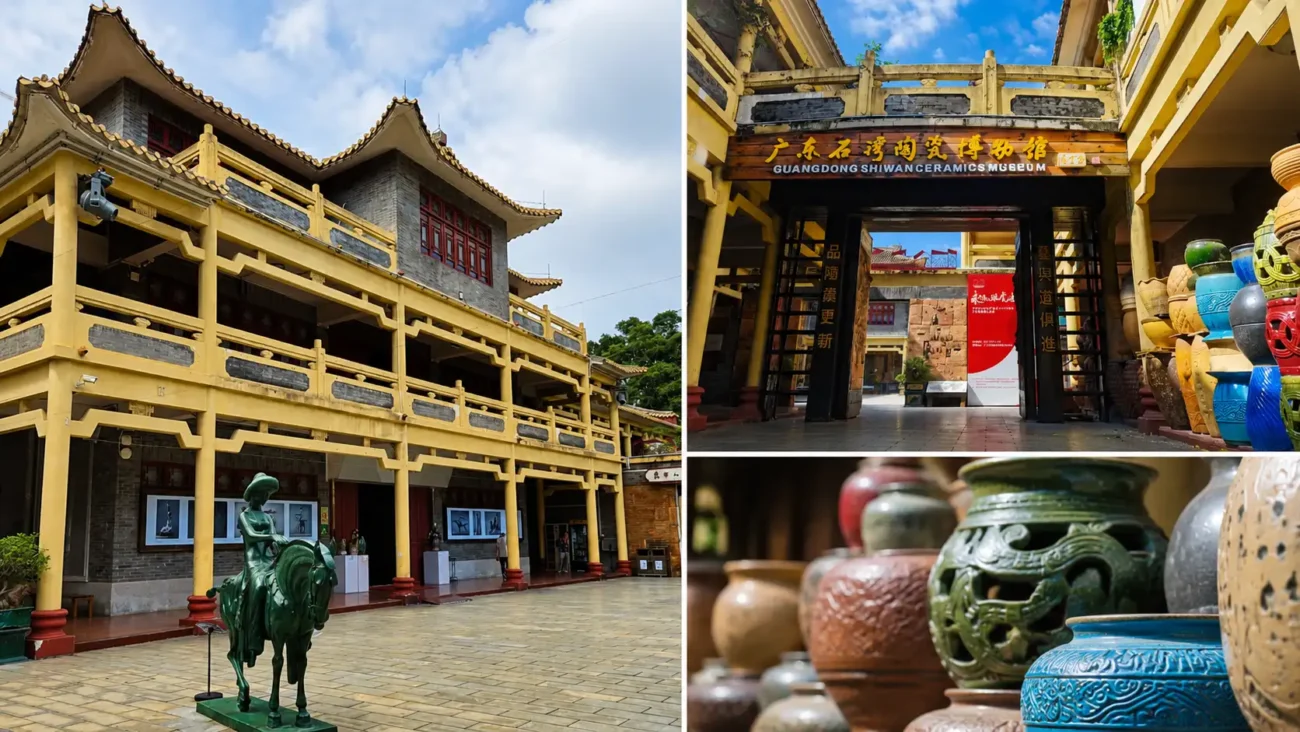
Ceramics: The Material Language of Foshan
If furniture is what many buyers first notice, ceramics are one of the cultural roots of Foshan.
Foshan has long been associated with ceramic craft, especially through places such as Shiwan, where pottery and ceramic traditions are part of the local identity. Even today, when buyers look at modern tiles, slabs, bathroom surfaces or decorative panels, they can still feel the city’s sensitivity toward surface, texture, firing, color and material expression.
This is important for sourcing.
In Foshan, ceramics are not only cultural objects. They reflect a way of thinking about materials.
A good tile is not just about pattern. It is about texture, thickness, edge treatment, surface finish, color consistency, packaging and how it performs in a real project.
A porcelain slab is not only a decorative surface. It may become part of a hotel lobby, a villa kitchen, a bathroom wall, a restaurant counter or a commercial interior.
This is where culture and sourcing naturally meet.
When a city has a long habit of working with materials, local suppliers often develop a stronger sense of surface, finish and product presentation. For sourcing buyers, understanding this background helps explain why Foshan is not only strong in furniture, but also in tiles, slabs, bathroom products and other interior materials.
For buyers who want to compare product choices more practically, you can also read: 🔗Porcelain vs Ceramic Tiles from China.
Kung Fu Spirit: Discipline, Practice and Craftsmanship
Foshan is also widely known for kung fu.
Names such as Wong Fei-hung and Ip Man have made Foshan familiar to many people around the world. But from a sourcing lens, kung fu is not only a cultural symbol. It represents something very close to manufacturing: practice, repetition, discipline and mastery.
A skill is not built in one day.
A craftsman improves through repeated movement. A factory improves through repeated production. A supplier becomes reliable through repeated cooperation. A sourcing team builds judgment through repeated visits, comparisons, mistakes and corrections.
This is why kung fu culture feels connected to Foshan’s manufacturing spirit.
In furniture production, craftsmanship may appear in upholstery stitching, wood polishing, metal welding, frame structure or custom size control.
In cabinet production, it may appear in edge banding, door alignment, hardware installation and surface finishing.
In building materials, it may appear in the stability of color, surface quality, packaging protection and production consistency.
These details are not always obvious in a showroom.
They require time, experience and careful observation.
A first-time buyer may compare two products by appearance. But someone who has visited many suppliers will often look at hidden details: how the product is made, whether the supplier explains clearly, whether the factory understands export standards, and whether the same quality can be repeated in bulk production.
This is the sourcing version of practice and discipline.
Lion Dance and Lingnan Spirit: Energy, Teamwork and Local Pride
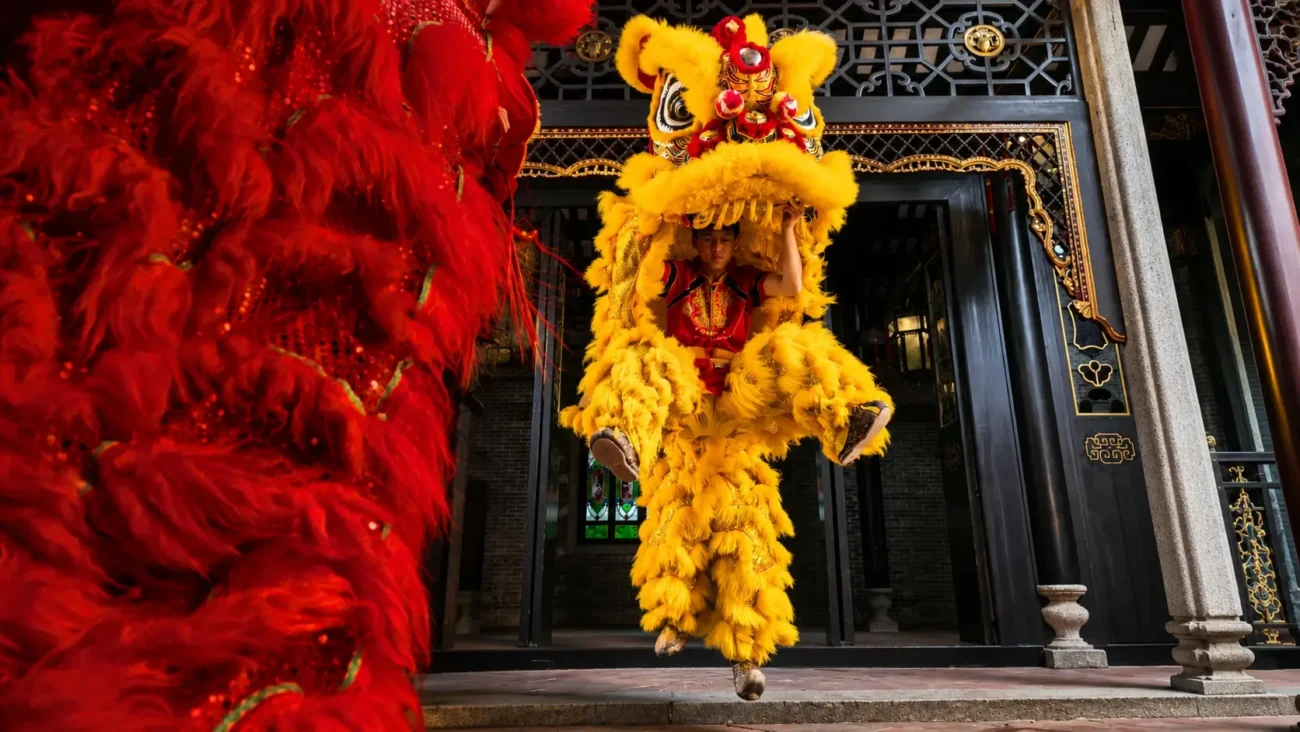
Lion dance is another important symbol often connected with Foshan and Lingnan culture.
For local people, lion dance is not only performance. It carries energy, rhythm, teamwork, discipline and community pride. Behind a short performance, there are long hours of training, coordination and trust between team members.
This also reflects how many local businesses work.
In South China, a good supplier relationship is rarely built only through emails. It is built through meetings, repeated communication, problem-solving, meals, factory visits, trust and long-term cooperation.
This is especially true in sourcing.
A supplier may give a good quotation, but quotation alone does not prove reliability. A serious sourcing process also observes how the supplier communicates, how they respond to problems, whether they explain materials honestly, whether they can meet deadlines, and whether they are willing to support after-sales issues.
This is where local business culture becomes important.
Guangdong business culture is often practical. People like to see real products, touch materials, discuss details directly and move quickly when something is clear. At the same time, relationship and trust still matter.
This balance of efficiency and human connection is part of the local business atmosphere.
For overseas buyers, it may be difficult to read these signals during a short visit. But for a team that works in this region year after year, these details slowly become part of supplier judgment.
Lingnan Culture: Practical, Open and Detail-Oriented
Lingnan culture is not only found in temples, old streets or traditional architecture. It also appears in daily business.
In Foshan and the wider Guangdong region, people are often practical and result-oriented. They prefer clear requirements, real samples, direct communication and concrete details.
This is why local supplier meetings are often very different from simple online communication.
When discussing furniture or building materials, local suppliers usually respond better when buyers can show:
- Real product references
- Clear sizes
- Material preferences
- Quantity ranges
- Destination country
- Packaging expectations
- Project timeline
- Quality level expectations
The more practical the discussion, the more realistic the quotation.
This local business style is also why face-to-face visits still matter. In a market or factory, buyers can see how suppliers present products, how they explain materials, how they handle questions, and whether they understand the project beyond one single item.
This human side is difficult to replace with a supplier list.
A list may tell you where a supplier is. It cannot tell you how that supplier thinks, whether they are suitable for your project, or how they may behave after production begins.
Furniture, Ceramics and Building Materials Are Connected by Local Logic
Foshan furniture does not exist alone.
It connects naturally with ceramics, tiles, bathroom products, wall panels, cabinets, lighting, hardware and other interior materials. This is especially clear in villa, hotel, restaurant and commercial projects, where buyers rarely purchase only one product category.
A villa buyer may need sofas, beds, cabinets, tiles, bathroom products and lighting.
A hotel buyer may need fixed furniture, loose furniture, ceramic surfaces, bathroom materials, decorative panels and project packaging.
A restaurant buyer may need tables, seating, wall finishes, lighting mood, flooring and custom details.
This is why understanding Foshan as a city matters.
Its furniture industry reflects lifestyle and space needs.
Its ceramic culture reflects material and surface sensitivity.
Its kung fu spirit reflects discipline and craftsmanship.
Its Lingnan business culture reflects practical communication and long-term trust.
Together, these elements explain why Foshan is important in South China sourcing.
For buyers who want a more practical sourcing route, we also prepared this guide: 🔗How to Buy Building Materials from China: One-Stop Sourcing for Furniture, Tiles, Lighting, Doors and Sanitary Ware.

Shunde Food and the Human Side of Business
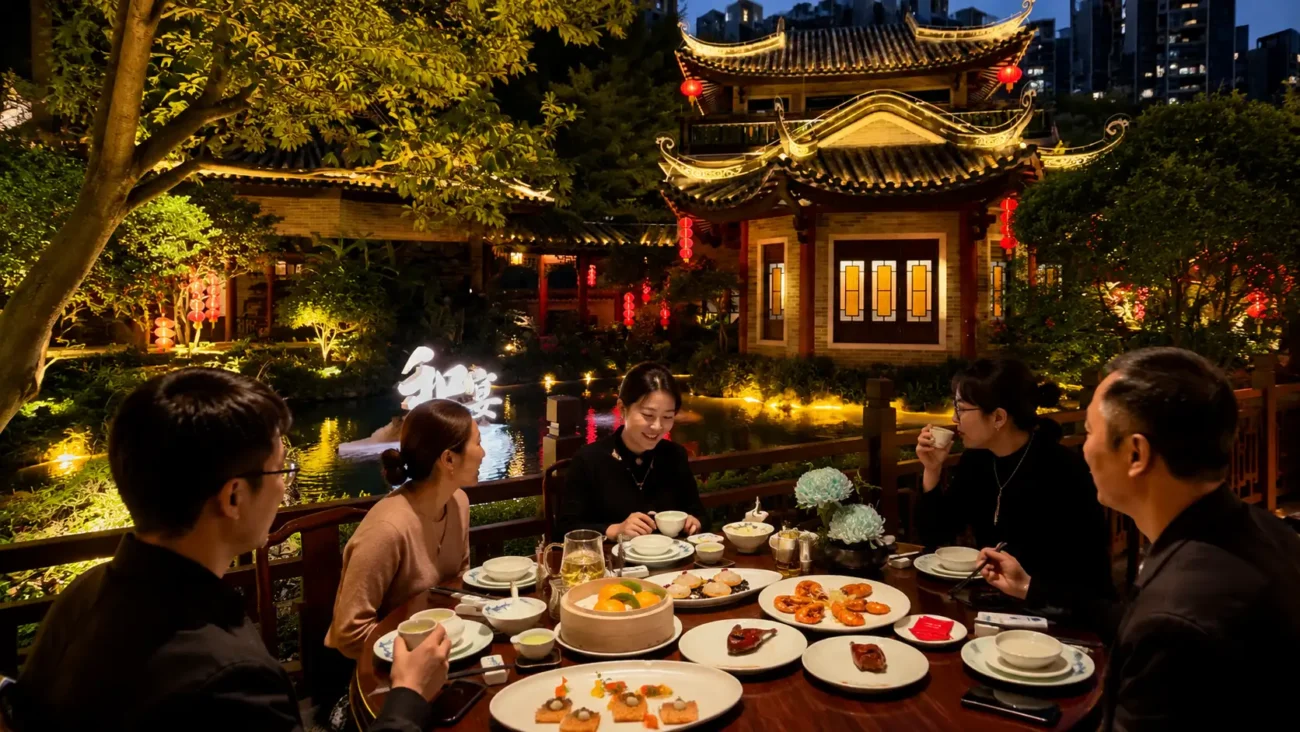
Foshan is also closely connected with Shunde, a place famous for Cantonese food culture.
For many sourcing trips, meals are not just meals. A quiet dinner after a full day of market visits can become a useful time to review products, compare suppliers, understand local habits and discuss what really matters.
This is part of the human side of sourcing.
During the day, buyers may see many products, hear many prices and collect many business cards. In the evening, when the pace slows down, it becomes easier to review what was seen:
Which supplier felt serious?
Which product looked good but had hidden concerns?
Which material matched the project better?
Which quotation should be checked again?
Which factory is worth visiting next?
This kind of review is where local experience becomes valuable.
It is not a hard sales process. It is a process of helping buyers understand what they have seen and what they should pay attention to next.
A sourcing trip with cultural depth does not mean turning business into tourism. It means helping buyers understand the people, pace and local environment behind the products.
Why Local Knowledge Cannot Be Replaced by a Supplier List
A supplier list is useful, but it is only the beginning.
It cannot fully show which supplier is reliable, which factory is suitable for export, which showroom has real production support, or which low price may create problems later.
Real local knowledge is built slowly.
It comes from walking through markets, visiting factories, comparing materials, checking samples, handling mistakes, seeing shipments, reviewing feedback and understanding how suppliers behave after orders begin.
This is why products, culture and supplier experience are connected.
To understand Foshan products, you need to understand Foshan as a place.
To understand local suppliers, you need to understand local business habits.
To judge long-term reliability, you need experience beyond one quotation.
For Cody Sourcing, understanding Foshan means understanding both the products and the place behind them. It means knowing that good sourcing is not only about products and prices, but also about people, supplier habits, local culture, long-term trust and years of accumulated experience.
Final Thoughts: Understanding the Place Behind the Product
Foshan is more than a furniture city.
It is a city where furniture, ceramics, kung fu, lion dance, Lingnan culture, craftsmanship, food culture and manufacturing logic meet.
For sourcing buyers, this matters because products are shaped by the places that produce them. A sofa, a tile, a cabinet or a bathroom product carries not only material and price, but also local process, supplier habits and manufacturing experience.
That is why Foshan is not only a market to visit.
It is a city that helps buyers understand South China sourcing more deeply.
