


10 Common Mistakes When Sourcing Lighting from China

Sourcing lighting from China can help overseas buyers access more product options, competitive prices and strong customization ability.
For hotels, villas, restaurants, offices and commercial projects, China offers many lighting products, including chandeliers, downlights, spotlights, track lights, outdoor lighting, LED lighting and decorative lighting.
However, sourcing lighting from China is not only about finding good-looking products or the lowest price. Buyers also need to confirm specifications, voltage, color temperature, certification requirements, quality inspection, packaging and shipping details.
This guide explains 10 common mistakes overseas buyers should avoid when sourcing lighting from China.
If you are still learning the full sourcing process, you may also read:🔗 How to Source Lighting from China for Hotels, Villas and Commercial Projects.

1. Choosing Suppliers Only by Low Price
One of the most common mistakes is choosing a lighting supplier only because the price is low.
A lower price may look attractive at first, but it can also mean:
- Poor LED chips
- Weak drivers
- Lower brightness
- Shorter lifespan
- Poor surface finish
- Weak packaging
- Unstable quality
- Limited after-sales support
For project buyers, the cheapest lighting option is not always the safest choice.
When comparing lighting quotations, buyers should check product specifications, materials, driver quality, warranty terms, packaging method and supplier reliability.
2. Not Confirming Voltage and Electrical Requirements
Lighting products must match the electrical requirements of the destination country.
Before ordering, buyers should confirm:
- Voltage
- Frequency
- Plug type
- Driver type
- Dimming compatibility
- Wiring requirements
- Indoor or outdoor use
- Local electrical standards
A lighting product may look correct, but if the voltage or driver is not suitable, it may create installation or safety problems later.
For hotels, villas and commercial projects, buyers should confirm electrical requirements with their local contractor or electrician before production.
3. Ignoring Color Temperature
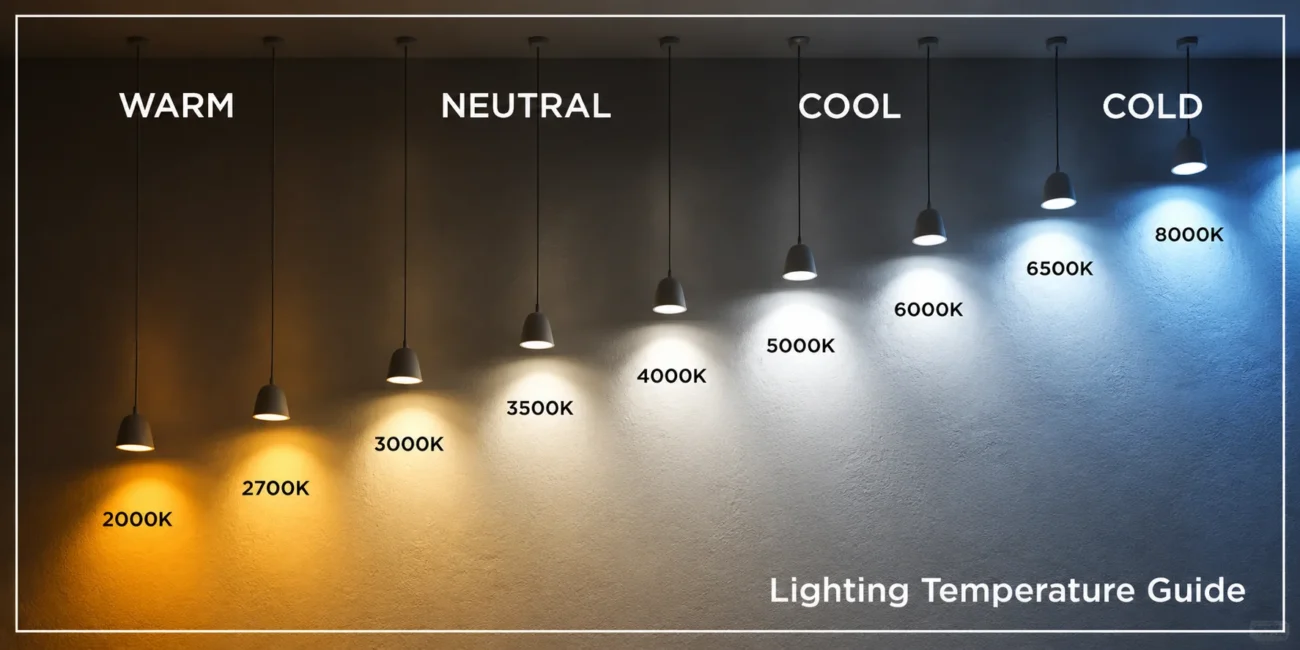
Color temperature affects the atmosphere of the whole space.
For example:
- Warm white lighting is often used in hotels, villas and restaurants
- Neutral white may be used in offices or general spaces
- Cool white may be used in commercial or task lighting areas
If color temperature is not confirmed clearly, the final lighting effect may not match the design.
Buyers should confirm color temperature before ordering, especially for hotels, villas, restaurants and interior design projects.
4. Not Checking Brightness and Beam Angle
Some buyers only look at the lighting design and ignore technical performance.
Important details include:
- Wattage
- Lumen output
- Beam angle
- CRI
- Dimming function
- Lighting distribution
- Installation height
- Room function
For commercial lighting, brightness and beam angle are very important. For hotels and villas, lighting comfort and atmosphere are also important.
Before ordering, buyers should confirm whether the lighting performance matches the actual space.
5. Forgetting Certification Requirements
Lighting products may need different certification or compliance documents depending on the destination market.
Buyers should check whether their project or local market requires documents related to:
- Electrical safety
- Energy efficiency
- EMC
- Waterproof rating
- Fire safety if applicable
- Environmental compliance if required
Not every lighting product needs the same certificate. Requirements can vary by country, product type and installation environment.
Before placing an order, buyers should check local requirements with their importer, contractor or compliance consultant.
The supplier’s certificate should match the actual product model, not only the factory name.
6. Skipping Sample Confirmation
Lighting photos may look good online, but photos cannot fully show the real product quality.
Sample confirmation helps buyers check:
- Actual size
- Surface finish
- Material quality
- Light color
- Brightness
- Driver quality
- Installation structure
- Packaging method
For hotel, villa and commercial projects, samples are especially useful because lighting affects the final design result.
If physical samples are not possible, buyers should request detailed photos, videos, product specifications and testing information before mass production.
7. Not Checking Supplier Experience
Different lighting suppliers focus on different products.
Some suppliers focus on decorative lighting. Some focus on LED commercial lighting. Some focus on outdoor lighting or landscape lighting.
Before choosing a supplier, buyers should check:
- Main product category
- Factory or showroom capability
- Project experience
- Export experience
- Technical support
- Customization ability
- Certification documents
- Production lead time
- Quality control process
- Packaging standard
A supplier that is suitable for simple retail lighting may not be suitable for hotel or commercial project lighting.
To reduce supplier risk, you can also read: 🔗How to Avoid Supplier Risks When Buying Furniture and Building Materials from China.

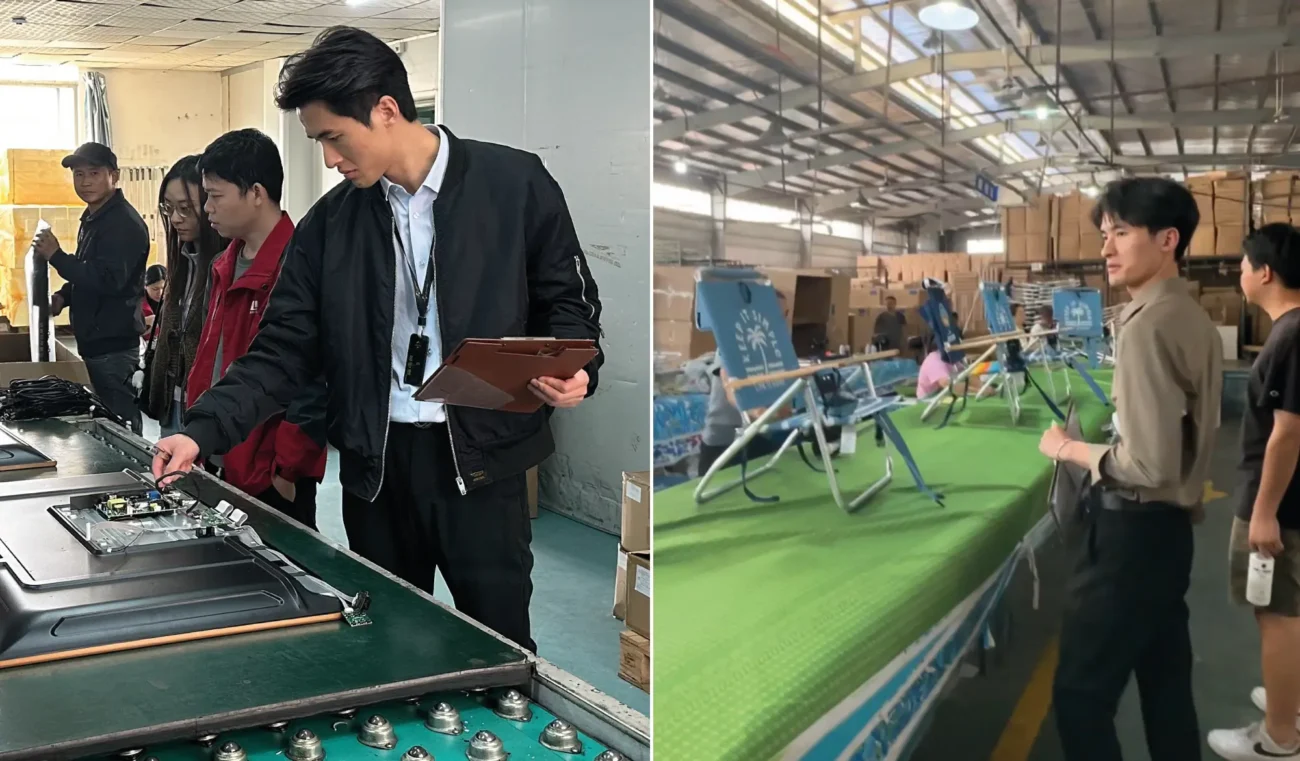
8. Not Inspecting Lighting Before Shipping
Some buyers only discover problems after the goods arrive.
At that stage, fixing issues becomes more difficult and expensive.
Before shipping, buyers should check:
- Quantity
- Model
- Size
- Surface finish
- Color
- Accessories
- Labels
- Packaging
- Visible quality issues
Inspection cannot replace professional electrical testing or certification, but it helps reduce visible mistakes, wrong models, missing accessories and packaging problems before the goods leave China.
For a full inspection process, read: 🔗How to Inspect Building Materials Before Shipping from China.
9. Underestimating Packaging and Shipping Risks
Lighting products can be fragile, especially chandeliers, glass lamps, decorative fixtures and outdoor lights.
Poor packaging may cause:
- Broken glass
- Scratched surfaces
- Missing accessories
- Damaged cartons
- Bent parts
- Installation problems after arrival
Before shipping, buyers should confirm carton strength, foam protection, glass protection, accessory packaging, labels and export packaging method.
For project buyers, lighting may also need to be consolidated with furniture, tiles, sanitary ware, doors or other building materials.

10. Managing Lighting Separately from the Whole Project
For hotels, villas and commercial spaces, lighting is usually only one part of a larger project.
If lighting is managed separately from furniture, tiles, doors, windows, sanitary ware and cabinets, buyers may face problems with design matching, delivery timing, warehouse consolidation and shipment planning.
A China-based supply chain team can help buyers manage:
- Supplier comparison
- Specification confirmation
- Sample follow-up
- Production tracking
- Quality inspection
- Packaging checking
- Warehouse consolidation
- Container loading supervision
- Shipping coordination
For project buyers, the value is not only finding lighting suppliers. The real value is managing the China-side process before the goods leave China.
If your project includes multiple categories, read:🔗 How to Buy Building Materials from China: One-Stop Sourcing Guide.
Final Thoughts
Sourcing lighting from China can be a good choice for hotels, villas, restaurants, offices and commercial projects.
But buyers should avoid choosing suppliers only by price, ignoring voltage, forgetting certification requirements, skipping samples, missing inspection and underestimating packaging risks.
Successful lighting sourcing requires clear specifications, reliable suppliers, quality checks, proper packaging and shipping coordination.
For project buyers, lighting should be managed as part of the full supply chain, not as an isolated product.
