


How to Avoid Supplier Risks When Buying Furniture and Building Materials from China

Supplier risks when buying from China are one of the biggest challenges for overseas buyers sourcing furniture and building materials.
For builders, contractors, villa owners, hotel owners and project buyers, choosing the wrong supplier can lead to poor quality, delayed production, wrong specifications, damaged goods or payment disputes.
The goal is not only to find a supplier. The goal is to find the right supplier and manage the process properly before the goods leave China.
In this guide, we explain how overseas buyers can avoid supplier risks when buying furniture and building materials from China.
Why Supplier Risk Matters in China Sourcing
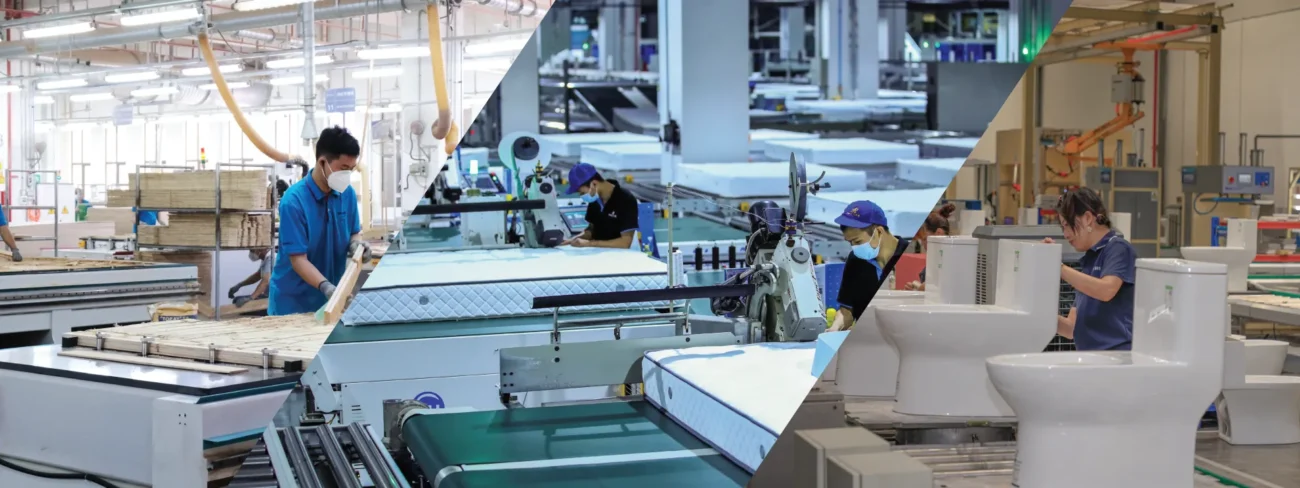
Understanding supplier risks when buying from China is important because one unreliable supplier can affect product quality, delivery time and the whole project schedule.
China has many factories and suppliers for furniture, tiles, lighting, doors, windows, sanitary ware, cabinets and other building materials.
This gives buyers many choices, but it also creates risk.
Not every supplier has the same production ability, quality standard, export experience or communication level. Some suppliers may look professional online, but their actual capacity may not match the buyer’s project needs.
Supplier risk can appear in many ways:
- Unclear company background
- Poor production capacity
- Inaccurate quotations
- Weak quality control
- Delayed delivery
- Wrong product specifications
- Poor packaging
- Lack of export experience
- Refusal to cooperate with inspection
- Payment and contract disputes
For project-based orders, one unreliable supplier can affect the whole project timeline.
1. Check Whether the Supplier Is a Real Business
Before placing an order, buyers should confirm whether the supplier is a real and legally registered business.
Basic checks may include:
- Business license
- Registered company name
- Company address
- Factory or showroom location
- Main product categories
- Years of operation
- Export experience
- Contact information consistency
If the supplier cannot provide basic company information, buyers should be careful.
For furniture and building materials, it is better to work with suppliers who have experience with project orders and export shipments, not only small domestic retail orders.
2. Confirm Whether the Supplier Matches Your Product Category
A common mistake is choosing a supplier who can “offer everything.”
Some suppliers may claim they can provide furniture, tiles, lighting, sanitary ware, doors and windows at the same time. In many cases, they may actually be traders or intermediaries, not real manufacturers for each category.
This does not always mean they are bad, but buyers should understand their role clearly.
Before working with a supplier, check:
- What products they actually produce
- What products they outsource
- Whether they have real factory access
- Whether they understand your product category
- Whether they can provide technical details
- Whether they can handle customization
For project buyers, supplier matching is very important. A furniture supplier may not be suitable for tiles. A lighting supplier may not understand doors and windows. Each category requires different technical knowledge.
3. Do Not Choose Based Only on the Lowest Price
Low price is attractive, but it can also hide risks.
A very low quotation may mean:
- Lower quality materials
- Thinner structure
- Poor hardware
- Weak packaging
- Unstable production
- Missing accessories
- Shorter product lifespan
- Hidden extra costs later
When buying furniture and building materials from China, buyers should compare more than price.
A proper quotation comparison should include:
- Material
- Size
- Finish
- Hardware
- Packaging
- Lead time
- MOQ
- Payment terms
- Customization details
- Warranty or after-sales terms if applicable
The cheapest supplier is not always the safest supplier.

4. Confirm Product Specifications Before Payment
Many supplier disputes happen because product details were not confirmed clearly before payment.
For building materials and furniture, important details may include:
- Size
- Material
- Color
- Surface finish
- Fabric or leather type
- Glass type
- Hardware
- Voltage
- Opening direction
- Installation method
- Packaging requirement
- Logo or label requirement
Reference photos are useful, but they are not enough.
Before confirming the order, buyers should make sure the supplier provides clear written specifications, quotation details, drawings or product confirmation documents.
This is especially important for customized furniture, doors, windows, cabinets, wardrobes, lighting and sanitary ware.
5. Check Whether the Supplier Can Support Inspection
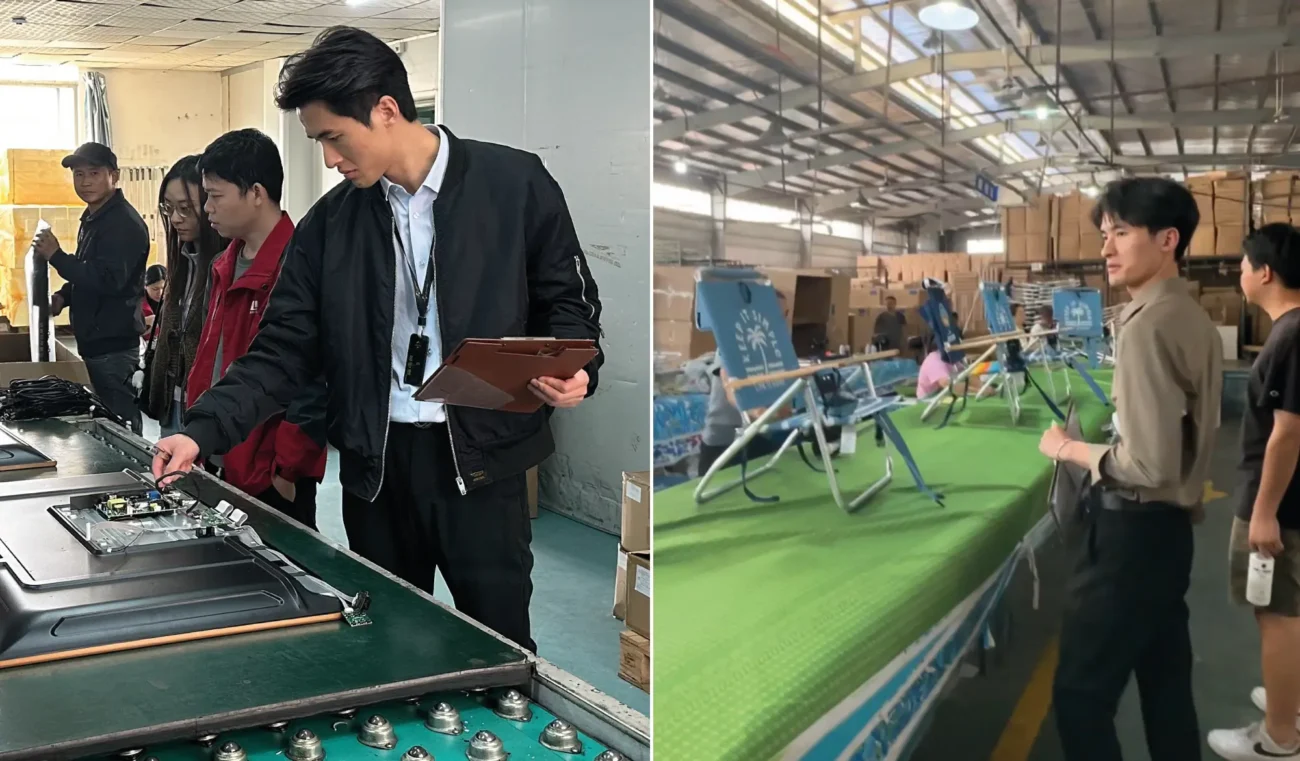
A reliable supplier should be willing to cooperate with inspection before shipment.
If a supplier refuses inspection, avoids factory visits or does not allow product checking before loading, this can be a warning sign.
Pre-shipment inspection can help check:
- Quantity
- Model
- Color
- Size
- Appearance
- Packaging
- Accessories
- Labels and marks
- Visible quality issues
Inspection cannot solve every problem, but it helps reduce visible and manageable risks before the goods leave China.
6. Review Packaging Before Shipping
Packaging is very important for furniture and building materials because many products are heavy, fragile or easy to damage.
Buyers should confirm packaging for products such as:
- Tiles
- Glass
- Lighting
- Sanitary ware
- Mirrors
- Furniture
- Doors and windows
- Cabinets
Poor packaging may cause broken tiles, scratched furniture, damaged corners, cracked glass or missing accessories.
For export orders, buyers should request packaging photos or videos before shipment when necessary.
Good packaging is part of supplier reliability.
7. Be Careful with Suppliers Who Avoid Written Confirmation
Professional suppliers should be willing to confirm important details in writing.
Buyers should avoid relying only on verbal promises.
Important details should be written clearly, including:
- Product specifications
- Unit price
- Quantity
- Payment terms
- Production lead time
- Packaging method
- Delivery responsibility
- Inspection arrangement
- After-sales responsibility if applicable
Written confirmation helps reduce misunderstandings and makes the order easier to manage.
If a supplier refuses to confirm important details in writing, buyers should be cautious.
8. Control Payment Risks
Payment is another major risk when buying from overseas suppliers.
Before payment, buyers should confirm:
- The supplier’s company name
- Bank account information
- Order details
- Contract or proforma invoice
- Payment schedule
- Production timeline
- Inspection and shipping arrangement
For larger orders, buyers should avoid paying the full amount too early.
Payment milestones can help reduce risk. For example, buyers may pay a deposit before production and the balance after inspection or before shipment, depending on the agreement.
The payment structure should match the order value, supplier reliability and project risk level.
9. Check Production Progress Regularly
After the order is placed, buyers should not wait silently until the delivery date.
Regular production follow-up helps confirm:
- Whether production has started
- Whether materials are prepared
- Whether the order is on schedule
- Whether there are delays
- Whether product details match the confirmed order
- Whether goods can catch the shipping plan
For multi-category projects, production follow-up is even more important because delays from one supplier may affect the whole shipment.
10. Work with a Local Supply Chain Team When Needed
For small orders, buyers may be able to manage suppliers directly.
But for villa, hotel, apartment, restaurant or commercial projects, there may be multiple suppliers and many product categories involved.
A China-based supply chain team can help overseas buyers:
- Verify suppliers
- Compare quotations
- Confirm specifications
- Follow production
- Arrange inspection
- Check packaging
- Consolidate goods
- Supervise container loading
- Coordinate shipping
The value is not only finding suppliers. The real value is reducing supplier risk and managing the China-side process before shipment.

Final Thoughts
Buying furniture and building materials from China can be a smart choice for overseas buyers, but supplier risk should not be ignored.
The most important steps are supplier verification, clear specification confirmation, reasonable price comparison, inspection planning, packaging review, payment control and production follow-up.
For project buyers, the goal is not only to buy cheaper products. The goal is to buy the right products from reliable suppliers with proper quality control and shipping management.
A structured sourcing process can help overseas buyers reduce risks and manage furniture and building materials procurement from China more safely.
