


How to Inspect Building Materials Before Shipping from China

Inspect building materials before shipping from China is one of the most important steps for overseas buyers, especially when the order includes multiple product categories such as furniture, tiles, lighting, doors, windows, sanitary ware and cabinets.
For builders, contractors, villa owners, hotel owners and project buyers, problems discovered after shipment can be difficult and expensive to solve.
That is why pre-shipment inspection should be arranged before the goods leave China.
A proper inspection can help buyers check quantity, model, size, color, visible quality, packaging, accessories, labels and shipping preparation before container loading.
This guide explains what overseas buyers should check before shipping building materials from China.

Why Pre-Shipment Inspection Matters
Buying building materials from China can offer strong price advantages and more product choices. But if the goods are shipped without inspection, buyers may only discover problems after the container arrives.
Common problems include:
- Wrong product models
- Incorrect quantities
- Color differences
- Size mistakes
- Missing accessories
- Weak packaging
- Scratched surfaces
- Broken glass
- Damaged cartons
- Wrong labels or marks
For project-based orders, even a small mistake can affect installation schedules and project delivery.
Pre-shipment inspection helps reduce these risks before the goods are loaded and shipped.
What Products Should Be Inspected Before Shipping?
Not every product requires the same inspection method, but most building materials should be checked before shipment.
Common categories include:
- Furniture
- Tiles and flooring
- Lighting
- Doors and windows
- Sanitary ware
- Kitchen cabinets
- Wardrobes
- Bathroom cabinets
- Mirrors
- Decorative panels
- Hardware and accessories
Products that are customized, fragile, expensive or difficult to replace should receive extra attention.
For example, doors and windows require size and hardware checking. Lighting requires appearance, voltage and packaging checks. Sanitary ware requires ceramic surface and packaging checks. Furniture requires finish, structure, fabric and packaging checks.
1. Check Product Quantity
The first step is quantity checking.
Buyers should confirm whether the actual quantity matches the order, invoice, packing list or purchase agreement.
This includes checking:
- Total quantity
- Quantity per model
- Quantity per color
- Quantity per size
- Quantity of accessories
- Quantity of spare parts if included
For multi-supplier orders, quantity checking is especially important because goods may arrive at the warehouse from different factories at different times.
2. Check Product Model and Specifications
The inspection should confirm whether the product model and specifications match the confirmed order.
Important details include:
- Model number
- Size
- Color
- Material
- Surface finish
- Glass type
- Hardware
- Voltage
- Plug type
- Opening direction
- Installation method
This step is very important for customized building materials such as cabinets, wardrobes, doors, windows, furniture and lighting.
A product may look similar in photos but still be wrong in size, material or technical details.

3. Check Visible Quality
Pre-shipment inspection mainly checks visible and measurable issues.
For building materials, visible quality checking may include:
- Surface scratches
- Color inconsistency
- Broken parts
- Cracks
- Dents
- Poor finishing
- Deformed products
- Loose hardware
- Missing components
- Poor workmanship
Different products need different checking standards.
For example, furniture should be checked for surface finish, structure, fabric, stitching and hardware. Tiles should be checked for color, surface defects, edge damage and packaging. Sanitary ware should be checked for cracks, glaze finish and visible defects.
Inspection does not replace laboratory testing. If buyers need to confirm chemical composition, fire rating, formaldehyde level or special certification, lab testing may be required.
4. Check Packaging Before Shipping
Packaging is very important for building materials because many products are heavy, large or fragile.
Poor packaging can cause serious damage during transportation.
Packaging checks may include:
- Carton condition
- Wooden frame or crate
- Foam protection
- Corner protection
- Pallet condition
- Waterproof protection
- Glass protection
- Label and mark position
- Whether accessories are packed properly
Products such as tiles, glass doors, mirrors, sanitary ware, lighting and furniture need stronger packaging for international shipping.
Good packaging does not guarantee zero damage, but it can reduce the risk significantly.

5. Check Labels, Marks and Accessories
Before shipping, labels and marks should also be checked.
This is important for warehouse sorting, container loading, customs documents and final installation.
Buyers should check:
- Product labels
- Carton marks
- Item numbers
- Room numbers if needed
- Installation accessories
- Screws and fittings
- Handles and hardware
- Instruction manuals
- Spare parts
Missing accessories can create problems after the goods arrive, especially for furniture, cabinets, doors, lighting and sanitary ware.
A product may be complete visually, but installation may fail if small parts are missing.
6. Take Photos and Videos as Inspection Records
Photos and videos are important inspection records for overseas buyers.
They can help confirm:
- Product appearance
- Quantity
- Packaging
- Labels
- Accessories
- Warehouse condition
- Loading condition
For buyers who are not in China, photo and video records provide visibility before shipment.
These records can also help compare the goods with the confirmed order and reduce misunderstandings between buyers, suppliers and logistics teams.
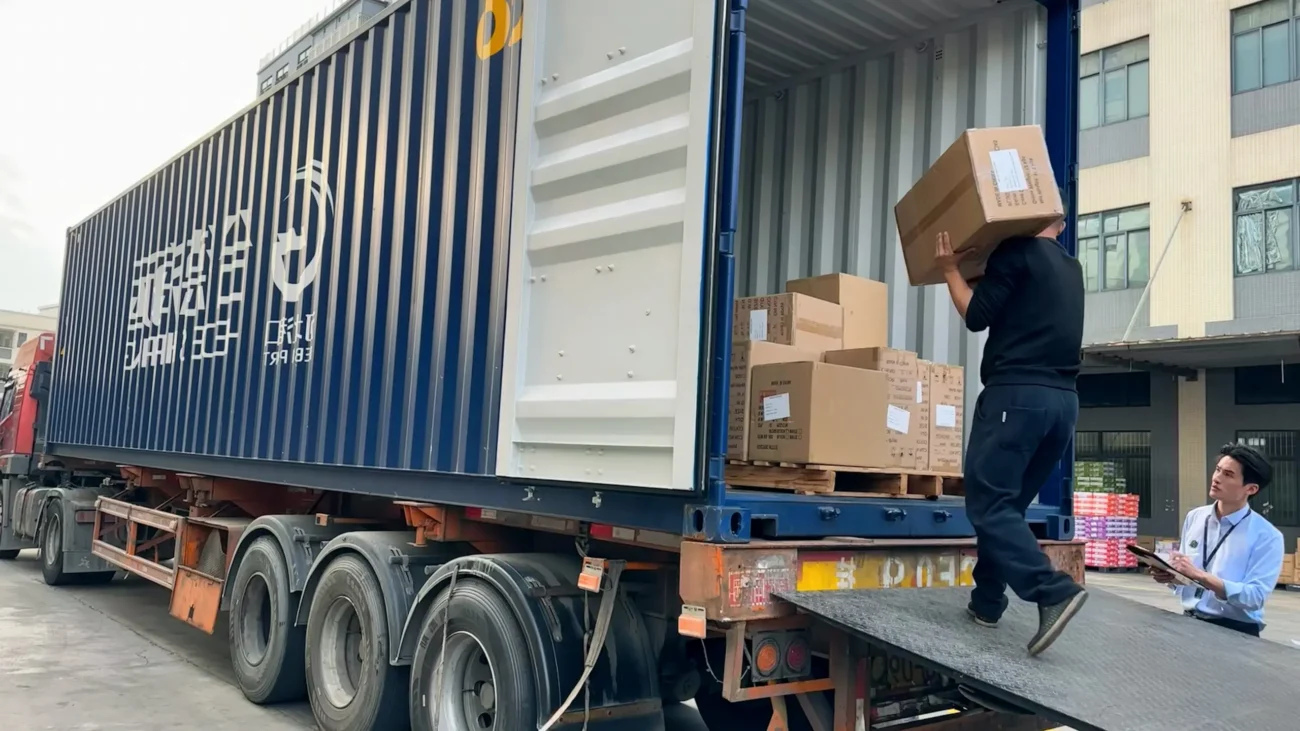
7. Inspect Goods Before Container Loading
Inspection should be arranged before the goods are loaded into the container.
Once the container is loaded and shipped, it becomes much harder to correct mistakes.
Before loading, buyers should confirm:
- Goods are ready
- Quantities are correct
- Packaging is acceptable
- Accessories are complete
- Labels are clear
- Fragile products are protected
- Loading order is reasonable
For mixed building materials shipments, loading planning is very important. Heavy items such as tiles should be handled carefully, while fragile items such as glass, lighting and sanitary ware need extra protection.
What Inspection Cannot Fully Guarantee
It is important to understand the limits of inspection.
Pre-shipment inspection can help check visible quality, quantity, packaging, model and obvious specification issues. But it cannot guarantee every hidden problem.
For example, inspection may not fully confirm:
- Internal material composition
- Long-term durability
- Chemical performance
- Fire rating
- Formaldehyde level
- Electrical safety certification
- Waterproof performance under long-term use
For these issues, buyers may need supplier test reports, third-party lab testing or local compliance review.
A professional inspection should be honest about what can and cannot be checked.
Why a China-Based Team Helps with Inspection
For overseas buyers, it is difficult to inspect building materials remotely.
A China-based sourcing and supply chain team can help buyers:
- Visit suppliers or warehouses
- Check product quantity
- Confirm models and specifications
- Inspect visible quality
- Check packaging
- Take photos and videos
- Communicate with suppliers
- Arrange corrections before shipment
- Supervise container loading
- Coordinate shipping documents
This is especially useful for villa, hotel, apartment and commercial projects that involve multiple suppliers and product categories.
The value is not only finding suppliers. The value is reducing risk before the goods leave China.
Final Thoughts
Inspecting building materials before shipping from China is a key step for overseas project buyers.
It helps reduce risks related to wrong products, missing items, poor packaging, visible defects and shipment mistakes.
For products such as furniture, tiles, lighting, doors, windows, sanitary ware and cabinets, inspection should be planned before container loading, not after the goods arrive.
A structured inspection process can help buyers improve quality control, reduce costly mistakes and manage China-side sourcing more safely.
