


How We Support a Singapore Hotel Group With Multi-Property Sourcing From China

A hotel group’s purchasing requirements continue long after an opening. Furniture and renovation materials are followed by replacement equipment, bed linen, towels, guest-room supplies, and recurring replenishment orders.
For a Singapore-based group operating hotels in Vietnam, Cody Sourcing has supported procurement across approximately 27 hotel properties and projects. The cooperation covers both construction-related purchasing and the supplies needed to keep existing properties operating.
This hotel procurement from China case study explains how that ongoing relationship works: organizing requirements, coordinating suppliers with different production schedules, inspecting goods, and preparing consolidated shipments.
The central challenge is keeping those activities connected as requirements change across properties and purchasing cycles.
Procurement Program at a Glance
| Item | Details |
|---|---|
| Client | Singapore-based group operating a hotel chain in Vietnam |
| Project market | Vietnam |
| Sourcing market | China |
| Recorded scope | Approximately 27 hotel properties and projects supported |
| Cooperation model | Ongoing, recurring sourcing and supply chain management |
| Purchasing requirements | Construction, renovation, replacement equipment, and operating supplies |
| Main management tasks | Supplier coordination, production follow-up, payment scheduling, inspections, consolidation, and shipping coordination |
The approximately 27 properties and projects describe the scope of our sourcing support for the client’s Vietnam operations. Product categories and purchasing requirements vary between properties and orders.

One Client, Many Different Purchasing Requirements
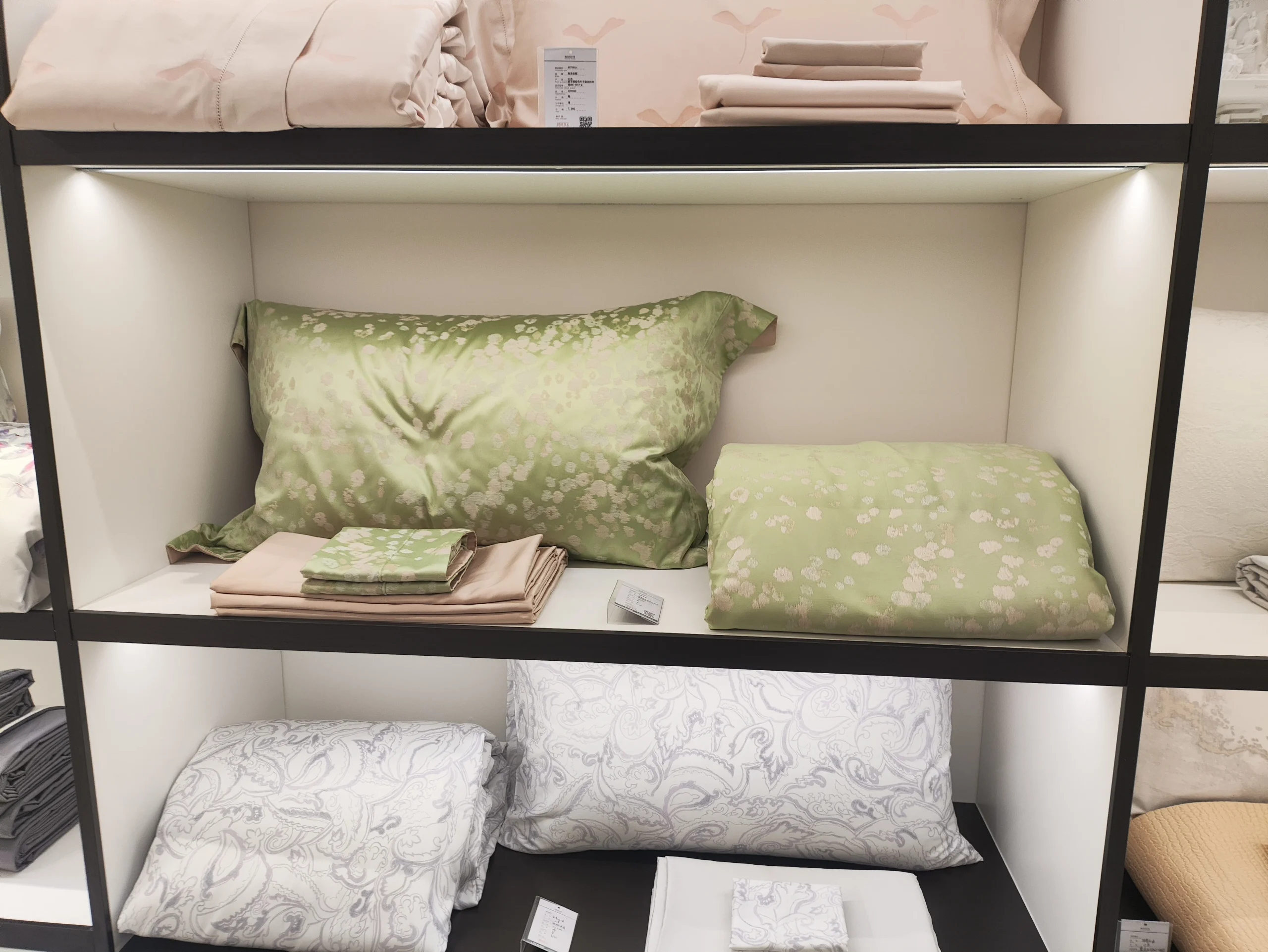
The group’s procurement includes furniture, tiles, bedding, bed linen, towels, cups, disposable hotel products, refrigerators or minibars, hair dryers, and other hotel-related supplies.
These categories involve different suppliers and different purchasing decisions.
A customized furniture order needs production planning and specification confirmation. A replenishment order for an available standard product may require much less preparation. Goods for a hotel opening may also have a different level of urgency from replacement stock for an operating property.
The purchasing list therefore needs to be organized before orders are placed.
For this client, new requirements continue to arrive as hotels open, properties are renovated, equipment is replaced, and operating supplies are replenished. Purchasing can occur monthly, depending on current requirements.
Our role is to coordinate the China-side work across those purchasing cycles.
Starting Each Purchasing Cycle With a Clear Product List
When the client sends a new requirement, we first organize the items and communicate with the relevant suppliers.
We confirm specifications, quantities, prices, availability, production lead times, and expected completion dates.
This establishes which products are straightforward to arrange and which need earlier attention.
It also provides a basis for discussing an approximate sourcing and delivery schedule with the client. That schedule becomes more accurate as specifications are confirmed and suppliers progress through production.
Without this preparation, a list of individually available products can appear easier to deliver than it actually is. One customized item may require substantially more time than the rest of the order.
Ordering Around Different Production Lead Times
For this hotel group, we separate purchasing requirements according to their production needs.
| Product Situation | Purchasing Approach | Purpose |
|---|---|---|
| Customized or longer-lead-time products | Address requirements and start supplier coordination earlier | Reduce the risk of a critical item holding up shipment |
| Standard products requiring production | Schedule around confirmed lead times | Coordinate completion with the wider order |
| Available stock | Arrange purchasing or collection closer to consolidation where suitable | Avoid unnecessary storage |
The objective is to make the different products ready at a useful time for the project.
Ordering everything together does not necessarily achieve that. It can leave completed goods waiting while another supplier is still producing.
For this client, identifying longer-lead-time products early helps focus attention on the orders most likely to affect the overall schedule.
Working Backward From a Hotel Opening
Some purchasing cycles are connected directly to hotel opening dates.
For those orders, planning begins with when the client needs the goods in Vietnam. We then work backward through transportation, loading, consolidation, inspection, production, and order confirmation.
That approach connects factory schedules with the client’s operational deadline.
It also leaves room to consider what happens if a supplier falls behind or an inspection identifies a problem.
A factory’s completion date is only one part of the timeline. Goods still need to be checked, collected, prepared for loading, transported, and delivered under the agreed logistics arrangement.
Our planning therefore includes buffer time and early shipping coordination. The aim is to reduce the risk of essential products arriving too late for the hotel’s needs.
Keeping Supplier Communication and Payments Connected
Different suppliers can require deposits and balance payments at different stages.
Within this procurement program, we track supplier deposits, production progress, expected completion dates, and upcoming balance payments.
We remind the client when funds need to be prepared so that payment timing can be coordinated with the relevant order stage.
This matters because production, inspection, payment, and collection are connected. A product may be approaching completion while a payment or approval is still outstanding.
The management task is to identify those dependencies early enough to act on them.
For the client, centralized coordination reduces the need to follow each factory’s conversations and payment schedule separately.
Following Production Before Goods Are Ready
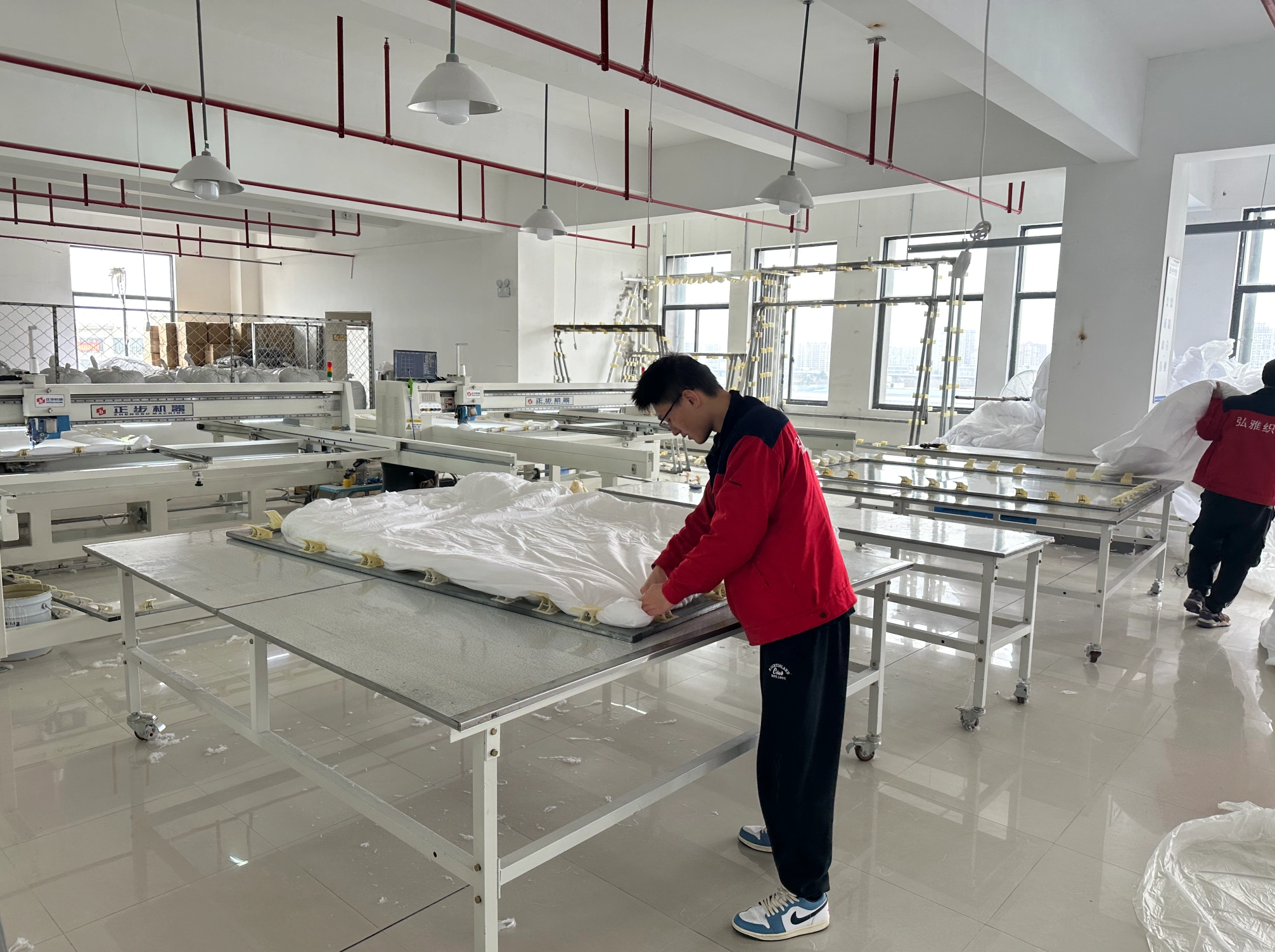
During production, we monitor whether suppliers are progressing as expected, encountering problems, or changing their completion estimates.
As orders move closer to completion, we can refine the expected inspection and loading schedule.
The client can then receive updated information about production status, anticipated inspection dates, loading plans, and estimated arrival timing.
This is especially useful when several suppliers are contributing to the same shipment. One factory may finish early, another may need additional time, and an available-stock product may be ready for collection immediately.
Keeping these differences visible helps us coordinate the next steps rather than discovering conflicts at the planned loading date.
Checking Products Before Shipment
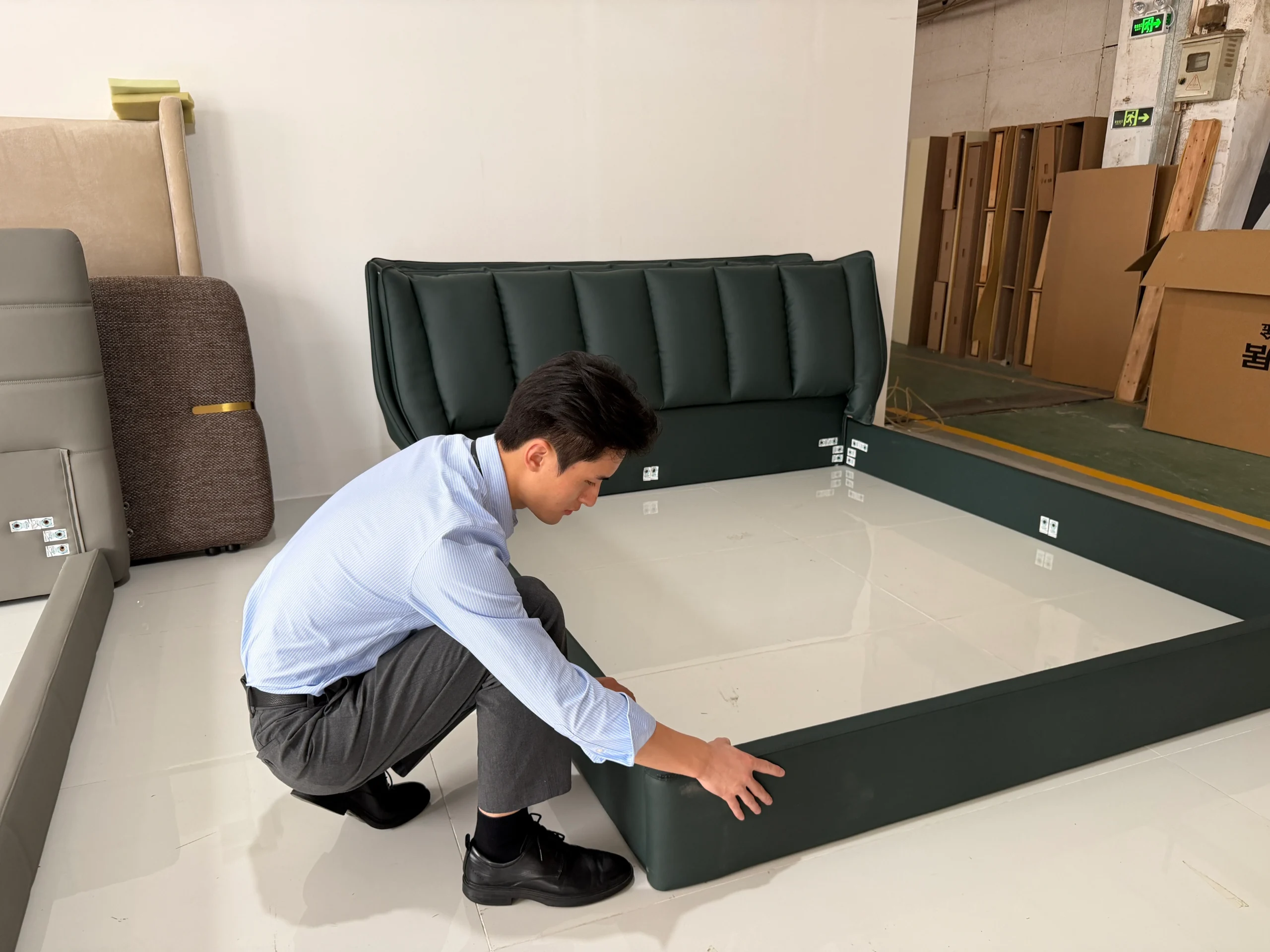
Before shipment, products are inspected against the relevant order requirements.
Depending on the category, checks can include quantity, dimensions, materials, color, appearance, function, specifications, and packaging.
Hotel procurement requires product-specific attention. The checks relevant to a textile order differ from those for furniture or a small appliance.
When an issue is identified, we communicate its nature, severity, possible corrective action, and effect on the shipment plan.
A problem may require repair, rework, replacement components, additional production, or re-inspection. The appropriate response depends on the actual goods and the issue involved.
The purpose of this process is to identify and address avoidable problems before the goods proceed to shipment.
Consolidating Goods From Different Suppliers
Once the relevant goods are ready, we coordinate collection and consolidation where appropriate.
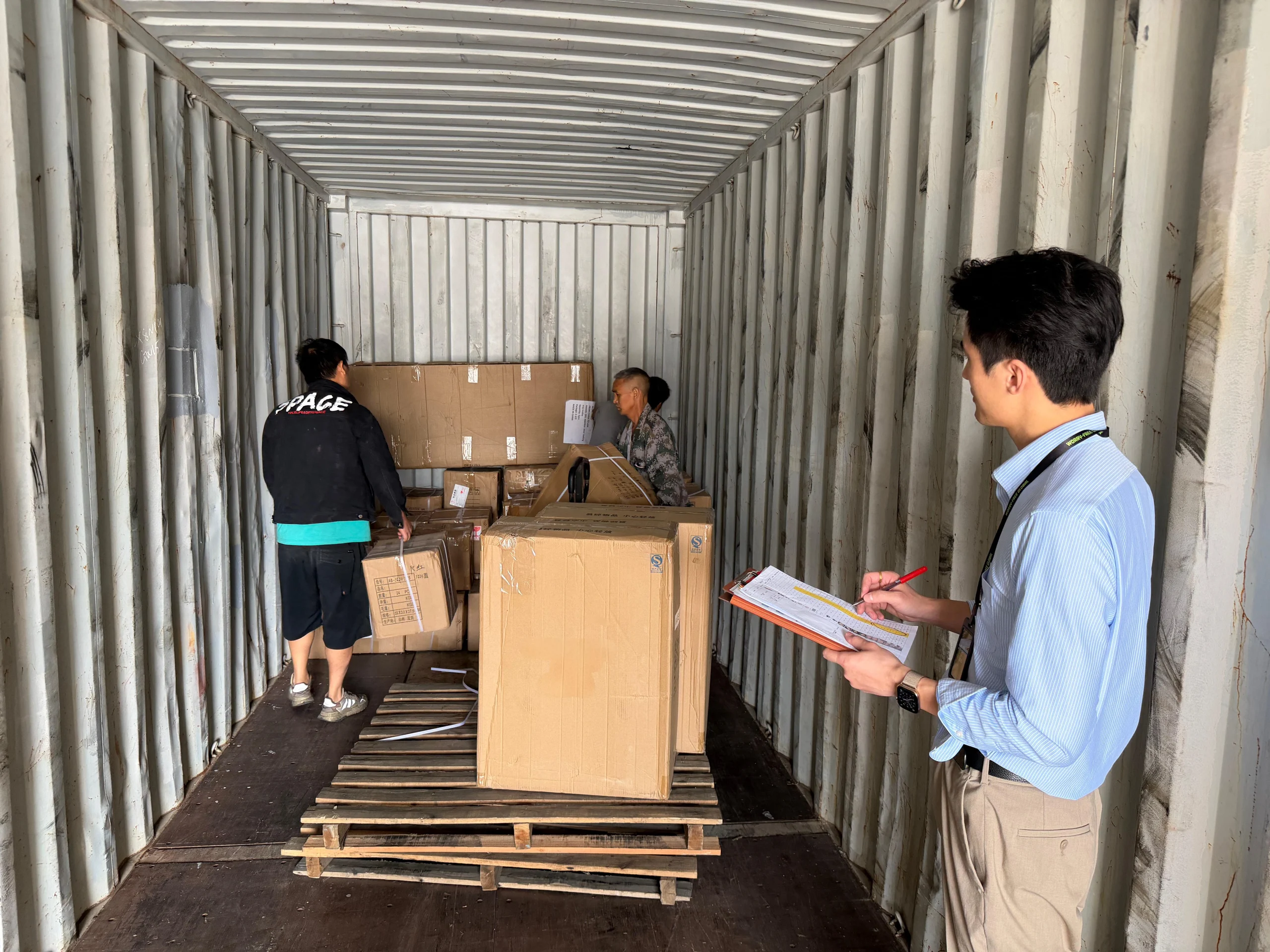
For this client’s projects, the warehouse stage can include receiving goods, unloading, organizing products from different suppliers, and preparing them for container loading.
We aim to coordinate arrivals within a relatively short period before loading where the project allows. Bringing every available product into storage immediately can create unnecessary handling and waiting time.
Consolidation also requires visibility over outstanding items. The team needs to know which suppliers have delivered, which goods are still expected, and whether the loading plan needs to change.
This turns separate supplier deliveries into an organized shipment.
Loading Records That Help the Receiving Team
Before loading, we inform the client of the expected loading date.
Loading photos, videos, and records can show how different goods are arranged inside the container. A loading report can also help the receiving team understand product positions and unloading considerations when the shipment reaches Vietnam.
For a mixed shipment, that information provides practical visibility beyond a packing list.
It helps connect the China-side loading work with the team that will receive and handle the products at the destination.
What Happens When One Supplier Falls Behind?
A delayed supplier does not automatically mean every completed product should wait.
Within this sourcing relationship, the first step is to assess the delay against the project’s available buffer and the importance of the affected goods.
Possible responses include moving delayed items to a later shipment, sending completed goods first, arranging a separate shipment, or adjusting the container plan.
Each option has a tradeoff.
Waiting may preserve a consolidated shipment but reduce the available delivery buffer. Splitting goods may protect an urgent requirement while adding transport or handling costs.
The decision needs to consider the hotel’s actual priorities, the products involved, and the practical alternatives.
The objective is to prevent one supplier’s problem from unnecessarily holding up the entire purchasing cycle.
Cost Savings and Product Choice
According to the recorded experience for this client, procurement from China has resulted in approximately 30% lower overall costs compared with purchasing comparable requirements locally in Vietnam.
That figure belongs to this client’s project experience. It is not a guaranteed saving for other hotel groups or every individual order.
The client also benefits from access to a wider range of products, styles, suppliers, and customization options across furniture, building materials, textiles, equipment, and operating supplies.
Those choices matter in a procurement program where different properties can have different requirements.
The purchasing decision therefore involves both the cost of the goods and the work required to select, coordinate, inspect, and move them.
Accessing a China Procurement Team Without Building One Internally
The hotel group uses our established China-side sourcing and supply chain capabilities instead of maintaining its own complete procurement operation in China.
Building that capability internally would involve recruiting and managing staff, developing supplier relationships, learning different product categories, and arranging production follow-up, inspections, and logistics coordination.
Using an external team gives the client access to those functions through the agreed service arrangement.
For this relationship, the value is continuity. As cooperation develops, our team builds a better understanding of the client’s quality expectations, pricing preferences, recurring products, and delivery requirements.
That knowledge supports future purchasing cycles, while important specifications and supplier conditions still need to be checked for each relevant order.

What This Ongoing Cooperation Demonstrates
This procurement program has supported approximately 27 hotel properties and projects within the group’s Vietnam operations.
Its scope extends from construction and renovation requirements to recurring operating supplies and replacement products.
The work continues as new needs arise.
The case illustrates how hotel procurement from China can be organized around a continuing relationship: requirements are reviewed, suppliers are coordinated, production is monitored, goods are inspected, and shipments are prepared around the client’s priorities.
For a hotel group, that coordination becomes increasingly useful as the number of properties, categories, suppliers, and purchasing cycles grows.
If you are planning a hotel opening, renovation, or recurring procurement program, share your product requirements, property locations, and required arrival dates with Cody Sourcing. We can review the supplier coordination and China-side management your purchasing program needs.
