


China Sourcing Agent for Canadian Buyers: Furniture, Renovation Materials and Shipping Guide

China sourcing agent for Canadian buyers is not only about finding cheaper suppliers.
For Canadian homeowners, builders, restaurant owners, hotel buyers and renovation project managers, the real question is usually more practical:
Can the products be sourced, checked, packed, shipped, cleared and delivered in Canada with predictable cost and lower risk?
Furniture and renovation materials from China can offer more product choices, flexible customization and better project budget control. But Canadian buyers also need to think about import duties, GST, customs clearance, SIMA risk, wood packaging, asbestos-free requirements, shipping route, warehouse consolidation and local delivery inside Canada.
This guide explains how Canadian buyers can source furniture and renovation materials from China more safely and practically.
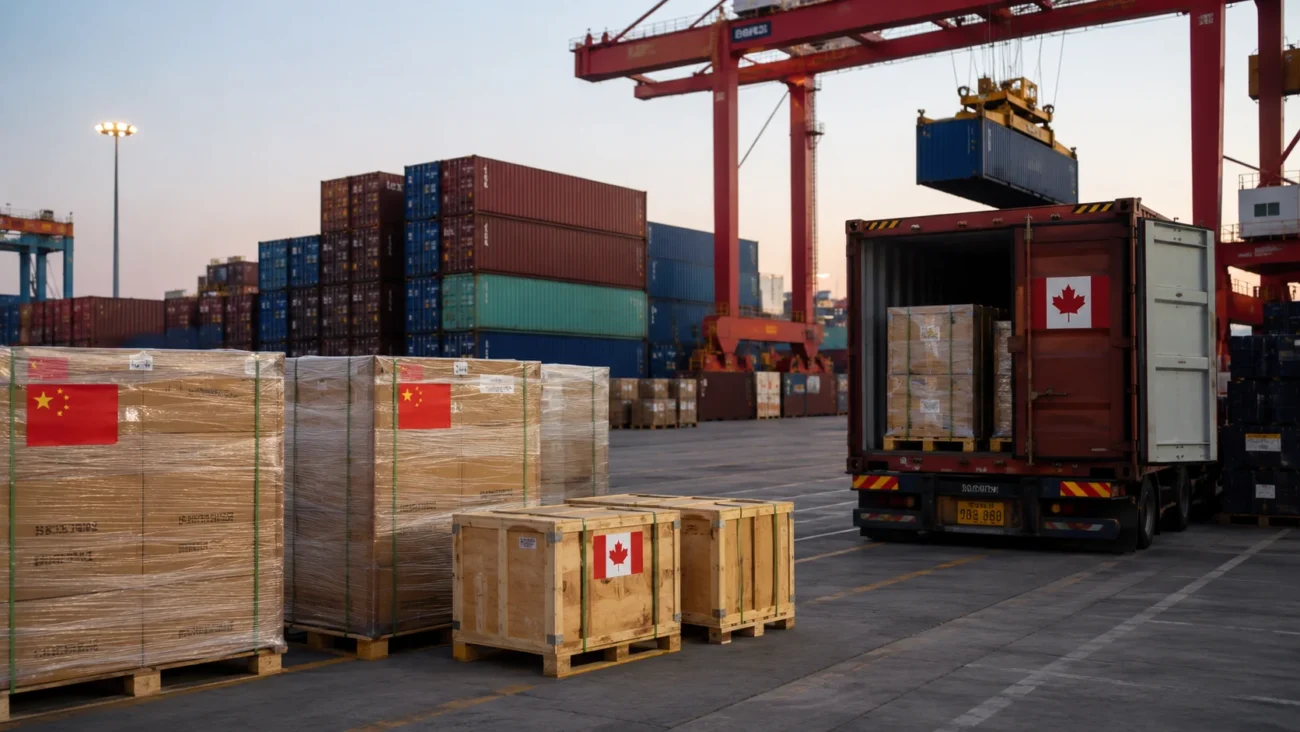
Why Use a China Sourcing Agent for Canadian Buyers?
Many Canadian buyers first contact a China sourcing team with a product photo and a simple question:
“Can you find this cheaper in China?”
But after discussing freight, duties, GST, packaging, inspection and customs clearance, the conversation often changes.
The real question becomes:
“Can this product be sourced, checked, consolidated and imported into Canada safely within my real project budget?”
This is especially true for furniture and renovation materials.
A sofa, dining table, bathroom vanity, tile, lighting fixture or cabinet may look good in supplier photos. But before placing an order, Canadian buyers should also understand:
- Is the supplier suitable for export?
- Is the product packaging strong enough for sea freight?
- Does the product need special compliance checking?
- Is the HS code clear?
- Could the product be affected by SIMA or other trade measures?
- Are wood packaging requirements involved?
- Can several suppliers’ goods be consolidated?
- What is the real landed cost in Canada?
A supplier list is only the first step. The full sourcing and import process matters more.
Why Canadian Buyers Still Source from China
Canadian buyers still source furniture and renovation materials from China because China offers wide product choices, strong supplier concentration and flexible customization.
For project buyers, the advantage is not only unit price.
China can help Canadian buyers compare many categories in one sourcing plan, such as:
- Furniture
- Lighting
- Bathroom products
- Tiles
- Flooring
- Kitchen cabinets
- Wardrobes
- Doors and windows
- Decorative panels
- Restaurant and hotel products
For villa, apartment, restaurant, hotel and commercial renovation projects, this can make the project more flexible.
Instead of buying each product separately from local suppliers, Canadian buyers can compare materials, styles, finishes and price levels directly from China’s furniture and building material supply chains.
But the final decision should not be based only on supplier price.
For Canadian buyers, the best sourcing decision is the one that balances product quality, import risk, landed cost, packaging, shipping and local delivery.
What Canadian Buyers Usually Source from China
Canadian buyers commonly source both residential and commercial project products from China.
Common furniture products include:
- Sofas
- Dining tables
- Chairs
- Beds
- Hotel room furniture
- Restaurant furniture
- Outdoor furniture
- Loose furniture for apartments and houses
Common renovation materials include:
- Tiles
- SPC flooring
- Bathroom products
- Kitchen cabinets
- Wardrobes
- Lighting
- Wall panels
- Doors and windows
- Hardware and accessories
- Decorative materials
For a single small product order, sourcing can be simple.
For a full renovation or commercial project, it becomes more complex because products may come from several suppliers, different cities and different production schedules.
That is where organized supplier selection, inspection and consolidation become important.
Furniture from China to Canada: What Buyers Should Check
Furniture is one of the most common categories Canadian buyers consider from China.
Before placing an order, buyers should check more than appearance.
Important points include:
- Frame material
- Fabric or leather quality
- Foam density
- Tabletop material
- Hardware strength
- Size accuracy
- Packaging method
- Export carton quality
- Whether the product can be safely shipped
- Whether the product description and HS code should be reviewed with a broker
Furniture is often bulky, so freight can strongly affect the final cost.
A sofa may look attractive at factory price, but after packaging, ocean freight, customs clearance, GST, inland delivery and possible duties, the final landed cost may change significantly.
Canadian buyers should also be careful with certain upholstered seating products.
Not every furniture product from China is affected by special trade measures, but upholstered seating and similar categories should be checked early with a customs broker before deposits are paid.

Renovation Materials from China to Canada: What Buyers Should Check
Renovation materials can offer strong value for Canadian projects, but they require careful product and shipping control.
Common products include:
- Tiles
- SPC flooring
- Wall panels
- Bathroom vanities
- Faucets
- Shower enclosures
- Kitchen cabinets
- Lighting
- Doors
- Windows
- Hardware
- Decorative materials
For renovation materials, Canadian buyers should check:
- Product specification
- Material composition
- Installation method
- Packaging strength
- Weight and loading plan
- Breakage risk
- Supplier export experience
- Documents needed by the buyer’s broker
- Whether the product is suitable for the target project
Tiles, glass, mirrors, bathroom ceramics and lighting are fragile. Cabinets, doors and windows require accurate measurements. Electrical products such as lighting may require additional attention before import and installation.
For building and renovation materials, buyers should also be careful with asbestos-free requirements and product compliance before shipment.

Canada Import Costs: Product Price Is Not the Final Cost
Many sourcing mistakes happen because buyers only compare the supplier’s unit price.
For Canadian buyers, the best sourcing decision is not always the lowest factory price. It is the option with the most predictable landed cost after duty, GST, shipping, clearance and local delivery.
A realistic landed cost may include:
- Product cost
- Export packaging
- China inland transport
- Sea freight
- Insurance
- Customs duty if applicable
- GST
- Customs broker fee
- Port charges
- Rail or truck delivery
- Warehouse cost
- Remote area delivery
- Replacement cost if goods are damaged
Canadian buyers should ask a customs broker or freight forwarder to estimate duties, taxes and clearance cost before confirming a large order.
This is especially important for bulky furniture, heavy tiles, fragile bathroom products and multi-supplier project shipments.
SIMA and Anti-Dumping Risk: What Furniture Buyers Should Know
SIMA risk is one of the key differences Canadian buyers should understand.
Canada may apply anti-dumping or countervailing measures to certain imported products. For furniture buyers, upholstered domestic seating is a category that needs attention.
Not every furniture product from China is affected by SIMA. But Canadian buyers should check whether their exact product and HS code are covered before placing deposits, especially for upholstered seating and similar furniture categories.
Before confirming an order, buyers should ask their customs broker to review:
- Product description
- HS code
- Country of origin
- Supplier information
- Whether the product may fall under SIMA measures
- Whether extra duty risk exists
- Whether documents from the exporter are needed
This check should happen before production, not after the goods are already finished.
A low factory price can become risky if the final import cost is not clear.
Canada Import Risks: Wood Packaging, Asbestos and Product Compliance
Canadian buyers should check import risks early.
Wood Packaging
Furniture and renovation materials often use wooden pallets, crates or frames.
Wood packaging may need to meet Canadian entry requirements. Buyers should confirm with suppliers and freight forwarders whether treatment marks, fumigation or related documents are required.
Asbestos-Free Risk
Canada has strict asbestos rules.
For renovation materials, buyers should be careful with products that may contain mineral, cement, insulation, sealing or composite materials.
This article is not legal advice. Buyers should confirm requirements with their broker or relevant Canadian authorities before importing.
Electrical Products
Lighting and some smart bathroom products require extra attention.
Buyers should check:
- Voltage
- Plug type
- Installation method
- Certification requirement
- Wiring and safety documents
- Whether the product is suitable for Canadian use
Fragile and Heavy Products
Tiles, mirrors, glass, bathroom ceramics and lighting are easy to damage if packaging and loading are not planned properly.
Inspection and loading supervision are important for these categories.
Shipping from China to Canada: What Makes It Different
Shipping to Canada can involve more than ocean freight.
Depending on the destination, goods may arrive through a West Coast port and then move inland by rail or truck, or they may be routed to other ports depending on the shipment plan.
Canadian buyers should consider:
- Destination city
- Port route
- Container type
- Ocean freight
- Rail or truck delivery
- Warehouse appointment
- Local unloading
- Winter or weather-related delivery issues
- Remote area delivery cost
- Storage or demurrage risk
For buyers in cities such as Vancouver, Toronto, Montreal, Calgary or other areas, the local delivery plan may be very different.
This is why China-to-Canada shipping should be planned based on final delivery address, not only port arrival.

Remote Sourcing vs Visiting China for Canadian Buyers
Both remote sourcing and visiting China can work.
Visiting China is better when the buyer needs:
- Many product categories
- Material comparison
- Furniture comfort testing
- Tile and surface checking
- Supplier meetings
- Faster product decisions
- Full project planning
Remote sourcing is better when the buyer has:
- Clear product specifications
- Product photos
- Size requirements
- Target budget
- Simple order structure
- Limited travel time
For Canadian buyers planning a house renovation, restaurant project, hotel project or multi-category order, visiting China can help avoid mistakes because many product decisions are easier after seeing samples in person.
For repeat orders or simple products, remote sourcing may be enough if the product brief is clear.
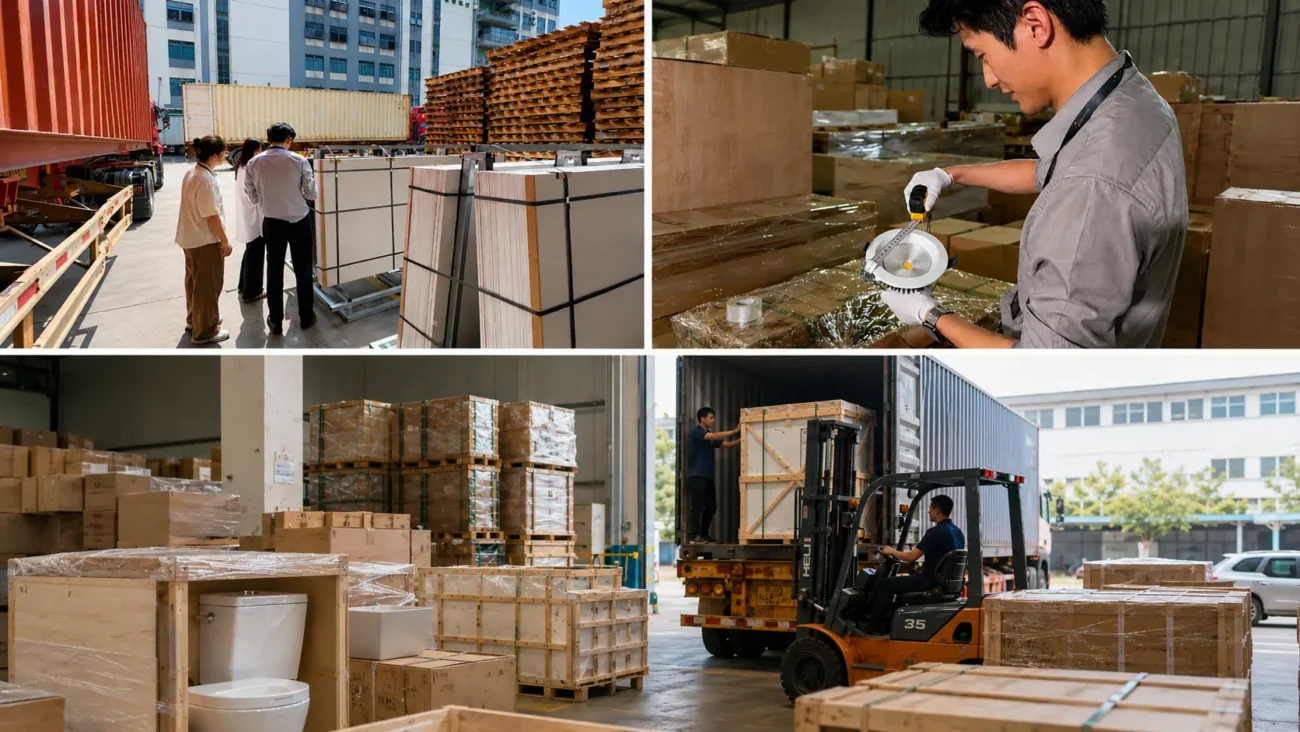
Inspection and Consolidation Before Shipping
For Canadian buyers, inspection and consolidation are very important when products come from several suppliers.
A good warehouse process should include:
- Checking quantity
- Checking model numbers
- Checking color and finish
- Reviewing packaging
- Separating fragile products
- Confirming carton marks
- Checking accessories
- Taking photos before loading
- Recording container number
- Recording seal number
- Planning loading sequence
Mixed shipments require special care.
Heavy tiles should not crush furniture. Lighting and mirrors should not be loaded loosely. Bathroom ceramics need strong foam and carton protection. Cabinets and doors should be protected from surface scratches and edge damage.
For more inspection details, read:🔗 How to Inspect Building Materials Before Shipping from China.
Common Mistakes Canadian Buyers Make When Sourcing from China
Common mistakes include:
- Comparing only supplier price
- Not calculating landed cost
- Ignoring GST and customs duty
- Not checking SIMA risk for relevant furniture categories
- Not reviewing HS code with a customs broker
- Ignoring wood packaging requirements
- Not checking asbestos-free risks for renovation materials
- Buying lighting without checking Canadian use requirements
- Not arranging inspection before shipment
- Mixing fragile and heavy products without a loading plan
- Choosing suppliers only from online photos
- Not planning warehouse consolidation for multi-supplier orders
Most of these problems can be reduced with better planning before production and shipment.
The safest approach is to treat sourcing, inspection, packaging, consolidation, customs and shipping as one connected process.
How a China Sourcing Agent Helps Canadian Buyers
For Canadian buyers, the value of a sourcing agent is not only supplier search.
A good sourcing agent helps buyers connect the full process:
- Product requirement review
- Supplier shortlisting
- Factory or showroom visits
- Quotation comparison
- Sample coordination
- Production follow-up
- Quality inspection
- Packaging review
- Warehouse consolidation
- Container loading
- Shipping coordination
Cody Sourcing works across Guangzhou, Foshan, Zhongshan and other South China supplier areas, helping overseas buyers source furniture, renovation materials, lighting and bathroom products from China.
For Canadian buyers, local sourcing support can help reduce communication problems, supplier confusion, packaging risks and shipping mistakes.
The goal is not simply to find products in China.
The goal is to help buyers source the right products, from the right suppliers, with better control from factory to shipment.
Final Thoughts
China sourcing agent for Canadian buyers should be understood as more than finding suppliers.
For furniture and renovation materials, Canadian buyers need to consider supplier reliability, product quality, packaging, inspection, import duties, GST, SIMA risk, wood packaging, asbestos-free requirements, shipping route and local delivery.
China can offer strong product choices and project budget advantages, especially for furniture, tiles, bathroom products, cabinets, lighting and renovation materials.
But the best sourcing result comes from planning the full process before placing the order.
For Canadian buyers, successful China sourcing is not only about buying products at a better price. It is about making sure those products can be checked, packed, consolidated, shipped and imported into Canada safely and predictably.
