


2026 Furniture & Building Materials Supply Chain:From Stockpiling to Efficiency

Executive Summary
The global furniture and building materials industry is undergoing a structural transformation. Traditional inventory-heavy supply chain models—built around stockpiling and long-term forecasting—are increasingly misaligned with today’s market realities.
As projects become more customized, timelines tighter, and capital efficiency more critical, stockpiling is giving way to a new priority: supply chain efficiency.
This white paper examines the key drivers behind this shift, the role of China in next-generation supply chains, and how developers, contractors, and international buyers can transition from accumulation-based procurement to coordinated, demand-driven execution.
1. The Structural Limits of Stockpiling
For decades, stockpiling was viewed as a risk-management strategy. Large inventories were used to buffer against supply disruptions, price volatility, and long lead times.
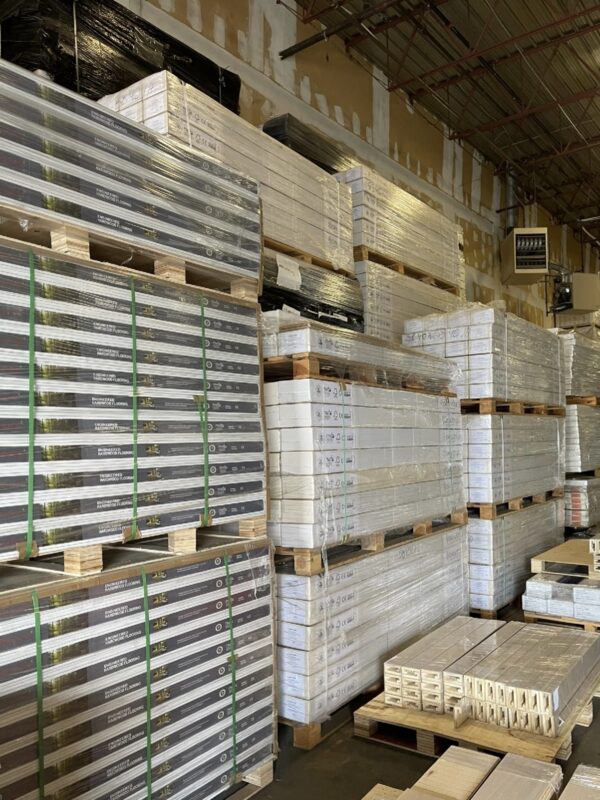
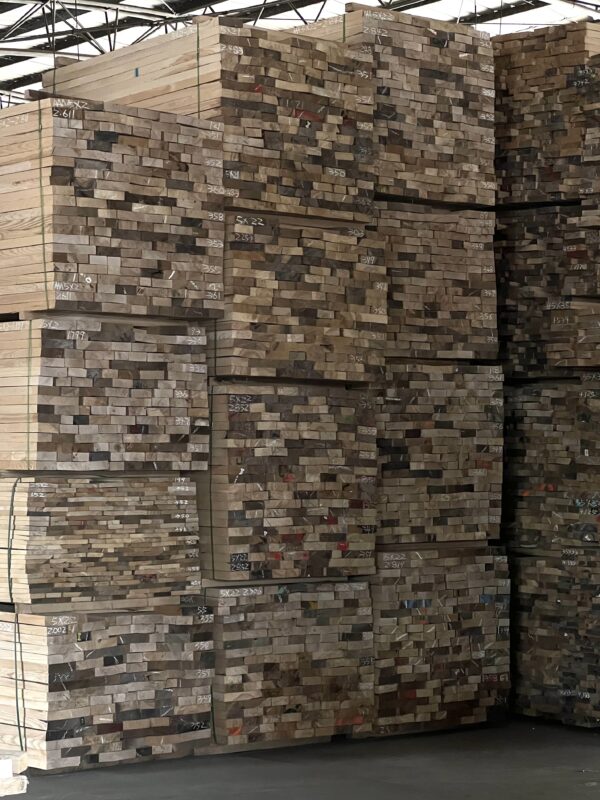
However, the structural costs of this approach are becoming increasingly apparent. Capital is locked into non-performing inventory, storage and handling costs continue to rise, and materials ordered too early often fail to align with final project specifications. In renovation and construction projects, excess inventory frequently leads to waste, damage, and rework.
By 2025, inventory volume is no longer a sign of preparedness, but a potential source of inefficiency.
2. Redefining Efficiency in the Modern Supply Chain
In the context of furniture and building materials, efficiency extends far beyond cost reduction.
A modern, efficient supply chain is characterized by demand-aligned production rather than speculative purchasing, synchronization between manufacturing and project timelines, reduced reliance on intermediaries, and clear cost structures. Efficiency means delivering the right materials, in the right quantities, at the right time—while maintaining quality and execution control.

3. China’s Evolving Role in Global Supply Chains
China remains a central pillar of the global furniture and building materials supply chain. Its importance, however, is no longer defined solely by price competitiveness.
China’s advantage lies in its manufacturing ecosystem: highly specialized industrial clusters, flexible production capabilities, mature export infrastructure, and integrated upstream and downstream suppliers. In an efficiency-driven model, these characteristics enable shorter production cycles, faster specification adjustments, and tighter coordination with international project schedules.
China’s role is shifting from mass production to responsive manufacturing.
4. From Supplier Selection to Supply Chain Management
One of the most significant changes in procurement strategy is the transition from supplier-based decision-making to supply chain-based management.
Lowest-price sourcing without coordination often leads to fragmented communication, inconsistent quality, and schedule misalignment. Supply chain management, by contrast, focuses on coordinating multiple factories under a unified execution plan, aligning production schedules with construction milestones, implementing quality control before shipment, and integrating logistics planning from the earliest stage.
This approach transforms procurement from a transactional process into a controlled system.

5. Integrated Procurement as a Competitive Advantage
As project complexity increases, integrated procurement models are becoming the standard for large-scale renovations and developments.
Rather than managing dozens of independent suppliers, buyers increasingly rely on centralized coordination teams that oversee factory selection, production tracking, quality inspection, and logistics sequencing. These teams do not replace manufacturers or inflate costs. Instead, they reduce friction, improve predictability, and protect project outcomes.
6. Transparency as a Foundation for Efficiency
Transparency is a defining feature of next-generation supply chains.
Access to accurate, real-time information allows stakeholders to monitor production progress, adjust procurement plans based on actual site conditions, identify risks before they escalate, and make informed decisions across departments. Transparency replaces guesswork with control and turns supply chains into manageable, auditable systems.

7. Strategic Implications for Buyers and Developers
For international buyers, hotel investors, and developers, the shift from stockpiling to efficiency carries strategic implications.
Organizations that continue to rely on inventory-heavy models may face increasing capital pressure and reduced adaptability. Those that adopt coordinated, factory-direct, and data-driven supply chains will benefit from improved cost control, faster execution, and reduced risk.
In 2025, competitiveness will be defined not by warehouse size, but by supply chain intelligence.
Conclusion: Building Supply Chains for the Next Decade
The furniture and building materials industry is entering a new operational era. The transition from stockpiling to efficiency requires more than tactical adjustments—it demands a strategic shift in mindset.
Organizations that invest in supply chain efficiency today will be better positioned to navigate uncertainty, deliver complex projects, and create sustainable value in a rapidly changing global market.
