


Kitchenware Quality Inspection in China: Avoid Quality Problems Before Shipment

Kitchenware quality inspection in China is not only about checking products before loading a container. For international brands, retailers and distributors, the real purpose of inspection is preventing expensive problems after production is completed.
A kitchenware order may look perfect during the sample stage. The supplier may provide professional photos. The quotation may look competitive. The factory may appear experienced.However, the biggest risks often appear after mass production begins:materials are slightly changed;finishing becomes inconsistent;packaging is weaker than expected;or hundreds of products arrive with the same quality problem.
This is why professional buyers do not treat inspection as the final step. They treat it as part of the sourcing process.
Before choosing suppliers, also read: 🔗How to Verify Kitchenware Suppliers in China Before Bulk Ordering

Why Good Samples Can Still Fail During Bulk Production
One of the most common mistakes in international sourcing is assuming: “Approved sample = guaranteed production quality.”
In reality, a sample only proves that the supplier can make one acceptable product. Bulk production tests whether the supplier can repeat that quality hundreds or thousands of times. For kitchenware products, small differences can lead to significant customer complaints.
For example:
- A cookware sample may have perfect polishing, but bulk production batches may show inconsistent surface finishing.
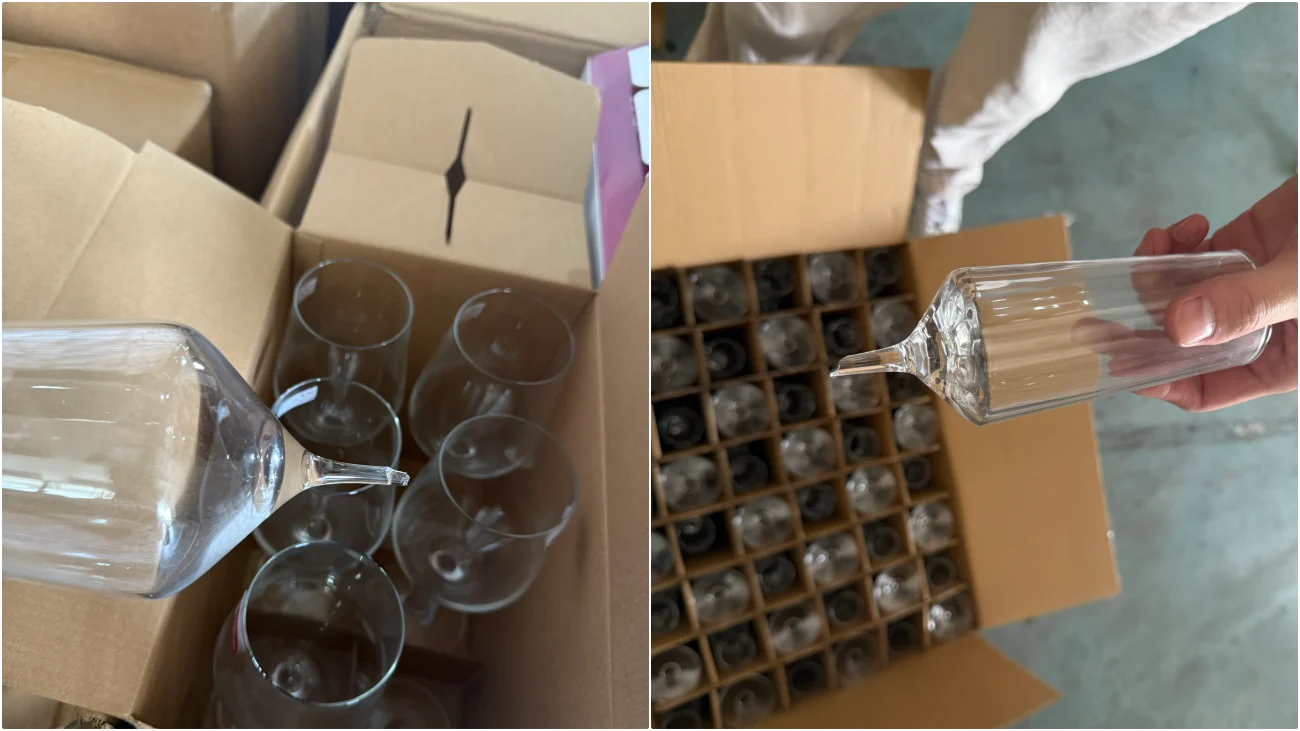
- A cup may arrive intact as a sample, but bulk orders may contain chipped or broken cups if the packaging does not provide sufficient protection during handling and shipping.
- A storage product may look identical online, but the plastic thickness, locking mechanism or packaging protection may change.
The purpose of kitchenware quality inspection in China is to identify these risks before products leave the factory, helping buyers reduce the risk of quality issues, transit damage and costly customer complaints.
Quality Control Starts Before Production
Many buyers think quality inspection begins when products are finished. Experienced buyers know that quality starts much earlier.
Before production begins, the supplier and buyer should confirm the following requirements:
- Product specifications — Materials, dimensions, colors and other product details
- Approved samples — The reference standard for mass production
- Packaging requirements — Protection, presentation and packaging specifications
- Testing expectations — Required quality checks and testing criteria
A detailed production requirement helps prevent one of the most common problems in China sourcing: different people understanding the same product in different ways.
Why This Matters for Private Label Brands
For private label brands, this stage is especially important.
A supplier needs to understand not only what the product looks like, but also what the brand wants customers to experience.
This includes:
Market positioning — The quality and presentation expected by the target market
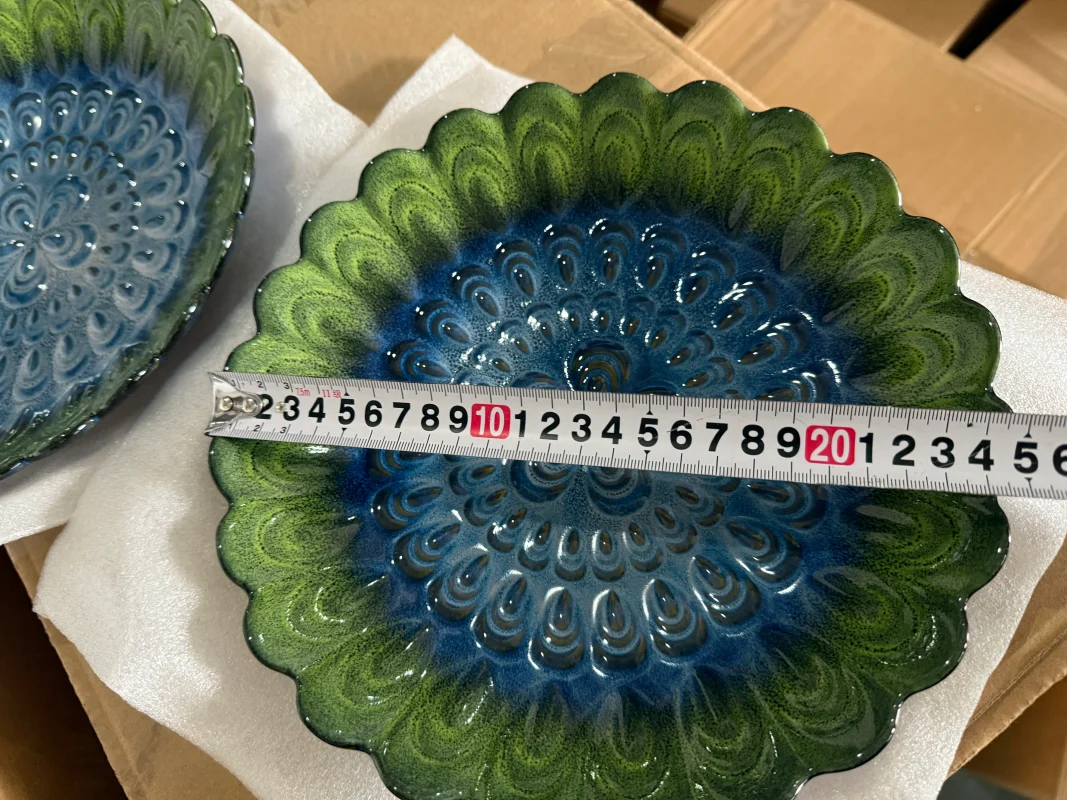
Product feel — The materials, texture and overall user experience
Packaging presentation — How the product looks and feels when customers receive it
Expected quality level — The standard the finished product must meet
What Should Be Checked During Kitchenware Production?
A professional inspection process does not only happen at the end.
During production, buyers should pay attention to whether the factory is following the approved requirements.
Important production checkpoints include:
- Material confirmation
- Production consistency
- Assembly quality
- Surface finishing
- Function testing
- Packaging preparation
Different kitchenware products require different inspection priorities.
For example:
- Stainless steel cookware: Material grade, thickness, welding quality and surface finishing.
- Silicone kitchen tools: Material quality, color consistency, smell and durability.
- Storage products: Structural integrity, fitting accuracy and user experience.
Different kitchenware categories require different inspection methods. There is no universal checklist that works for every product.
Material Verification: The Hidden Difference Between Suppliers
Many quality problems begin with materials.
Two suppliers may quote the same product. However, the actual materials may be different.
A quotation saying “stainless steel cookware” does not automatically explain:
- Steel grade
- Material thickness
- Surface treatment
- Applicable production standards
The same applies to silicone, plastic, bamboo and other kitchenware materials.
Experienced buyers ask suppliers to clearly confirm:
How the factory controls material consistency
What material is used
Where the material comes from
What specifications apply
🔗EU Food Contact Materials Regulation
Sample Approval Is More Than Receiving A Product
A common sourcing mistake is approving samples too quickly.
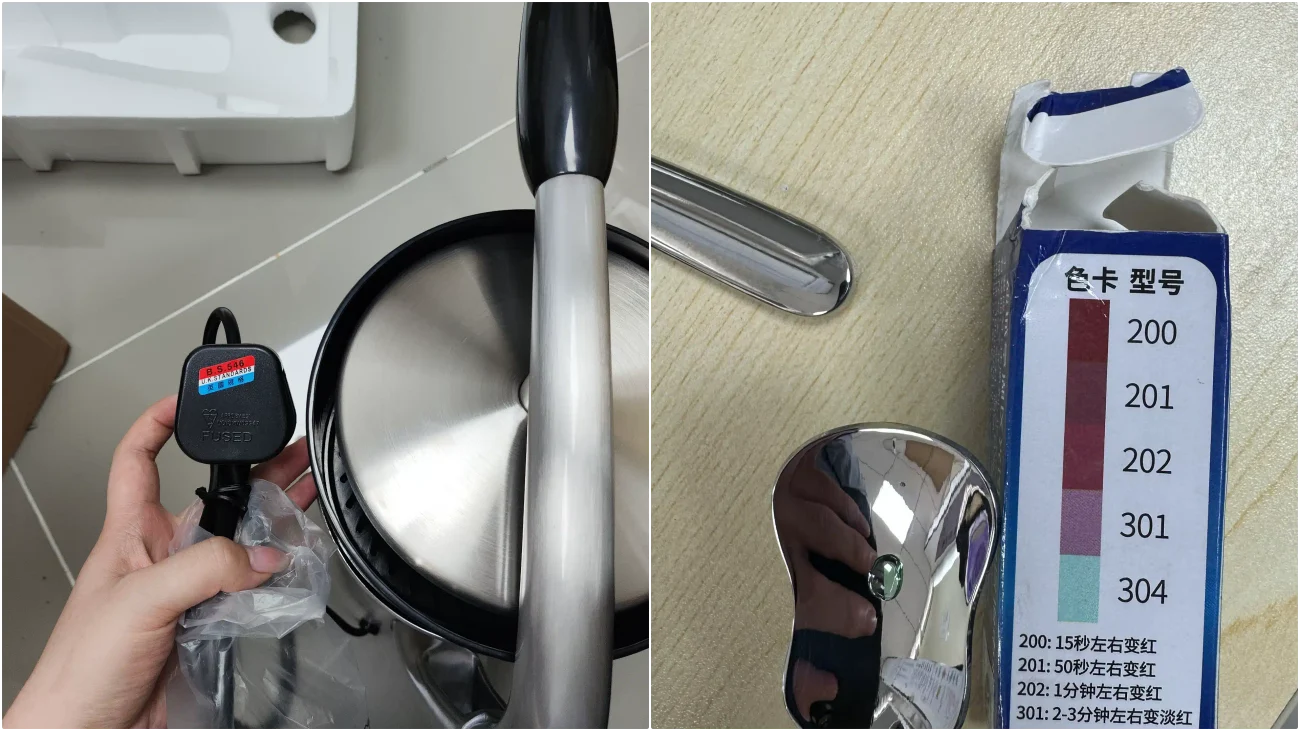
A professional sample approval process should confirm more than appearance.
Buyers should evaluate:
- Does the product feel as expected?
- Are the dimensions correct?
- Are the colors consistent?
- Does the packaging represent the brand?
- Can the factory reproduce this quality in bulk production?
For brands developing private-label kitchenware, approved samples should become the production reference.
The approved sample is not just a product example. It is the quality benchmark for future bulk orders.

Pre-Shipment Inspection: What Happens Before Container Loading?
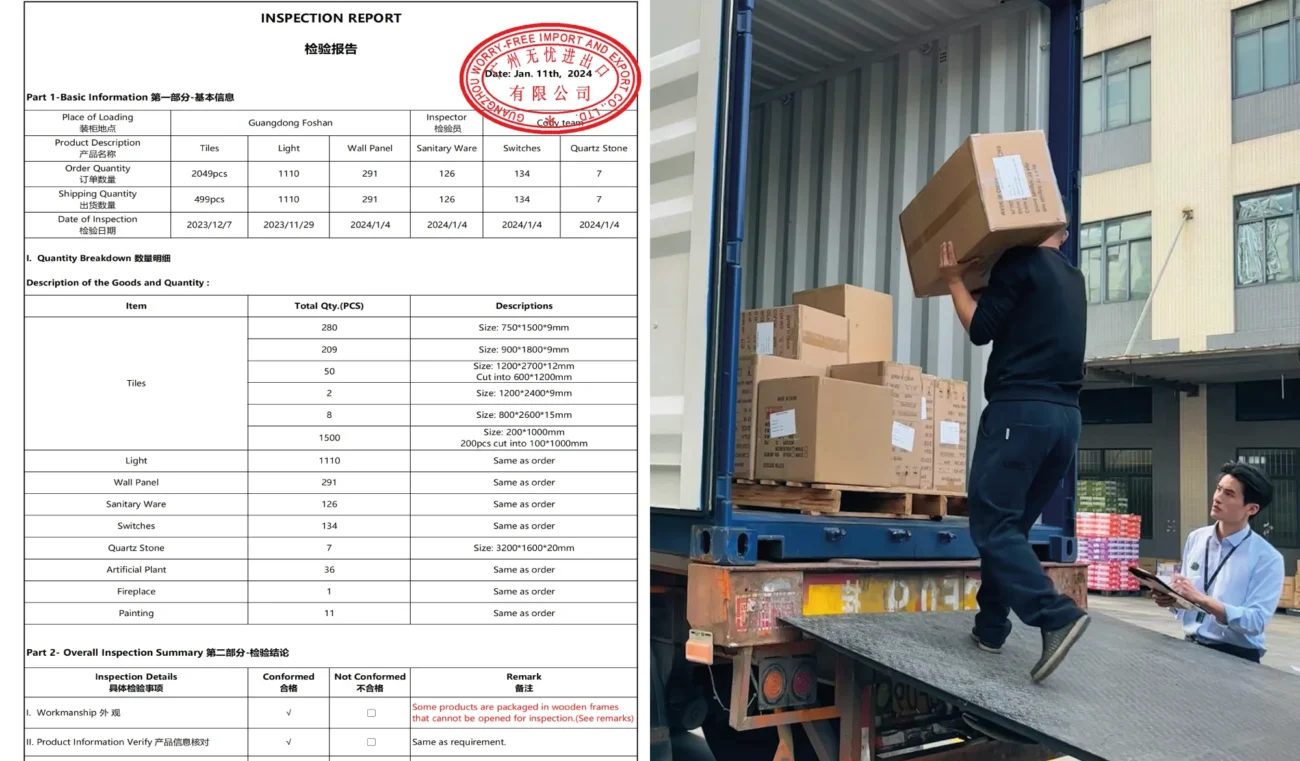
The final inspection before shipment is where many risks are discovered.
A professional pre-shipment inspection usually focuses on:
- Product quantity
- Appearance
- Function
- Dimensions
- Packaging
- Carton condition
- Loading preparation
However, the most valuable inspection result is not simply finding defects. It is understanding whether a problem is isolated or indicates a larger production issue.
For example:
- Isolated defects: Finding a small number of defective products during sample inspection may indicate a limited quality problem.
- Repeated defects: Finding the same defect across multiple cartons may indicate a broader production process problem.
The difference determines whether the shipment should proceed or require corrective action.
Why Packaging Inspection Matters For Kitchenware
Many buyers focus on product quality but underestimate packaging.
Kitchenware products often contain:
- Glass
- Ceramic
- Metal surfaces
- Plastic components
- Assembled parts
A product can pass factory inspection and still arrive damaged if the packaging is not designed properly.
Packaging inspection should consider:
- Inner protection
- Carton strength
- Product separation
- Labels
- Shipping marks
- Container loading method
A reliable supplier understands that export packaging is part of product quality.
Real Buyer Scenario: The Cheapest Supplier Was Not The Best Choice
Consider a common sourcing situation.
An overseas retailer receives quotations from three Chinese suppliers:
- Supplier A: Offers the lowest price.
- Supplier B: Offers a slightly higher price.
- Supplier C: Offers the highest price.
At first, Supplier A looks attractive.
However, after checking samples and production capability, the retailer discovers:
- Supplier A: Uses different materials.
- Supplier B: Demonstrates better quality consistency.
- Supplier C: Provides stronger packaging and private-label support.
The final decision should not be based solely on the lowest unit price. It should consider the total project risk.
A lower product price can become more expensive if it leads to:
Delayed sales
Customer complaints
Replacement shipments
Negative reviews
Factory Inspection vs Third-Party Inspection vs Sourcing Support
Different buyers need different levels of support.
Factory Self-Inspection
Factory self-inspection can work for experienced importers with strong supplier relationships and established quality-control procedures.
Third-Party Inspection
Third-party inspection provides independent checking before shipment.
China-Based Sourcing Support
A local sourcing team provides another advantage by helping buyers:
- Understand the supplier’s capabilities
- Communicate production issues
- Follow up on corrective actions
- Connect quality problems with practical solutions
For buyers who cannot visit China regularly, local support can help reduce communication gaps.
Related sourcing topics:
🔗OEM Kitchenware Manufacturing in China: Private Label Guide for Global Brands
🔗Kitchenware Suppliers in China: How to Verify Before Bulk Ordering
Common Mistakes Buyers Make During Kitchenware Inspection
1. Checking Only the Final Appearance
Quality problems often originate from materials, production processes and packaging, not just visible appearance.
2. Inspecting Samples but Not Bulk Production
A factory may produce a good sample but fail to maintain consistent quality during mass production.
3. Focusing Only on Certificates
Documents are useful, but they cannot replace actual product verification.
4. Ignoring Communication
Clear specifications, approved samples and written confirmation help reduce misunderstandings and unnecessary disputes.
Final Thoughts
Kitchenware quality inspection in China is not simply about finding problems after production. It is about preventing problems before they become expensive.
Successful buyers do not only ask:
Can this factory make my product?
They also ask:
Can this factory consistently deliver the quality my customers expect?
A reliable inspection process connects:
- Product design
- Factory capability
- Production control
- Final customer satisfaction
For global kitchenware brands, quality control is not an additional cost. It is part of building a reliable supply chain.
