


Tile Standards for Importers: How to Check ISO 13006, Water Absorption and Test Reports from China

Tile test reports from China are one of the first documents international buyers review before placing large tile orders.
Suppliers send:
- test reports
- quality certificates
- technical specifications
- product data sheets
- inspection documents
At first glance, everything may look professional.
The supplier provides ISO documents. The water absorption value looks good. The breaking strength number appears high. The report has a laboratory stamp.
But experienced buyers know one important thing:
A document does not automatically guarantee that the tile is suitable for your project.
The real question is not:
“Does the supplier have a report?”
The real question is:
“Does this report match the exact tile, application and project requirements?”
This is especially important for villa projects, hotels, restaurants, commercial buildings and large residential developments where one wrong decision can affect hundreds or thousands of square meters.
For buyers who are still comparing suppliers, read 🔗How to Read a China Tile Quotation: Size, Thickness, Finish, Grade, MOQ and Packing.

Why Tile Standards and Tile Test Reports Matter When Importing from China
Tile test reports should not be reviewed as isolated documents. Professional buyers compare them with product specifications, application requirements and actual production details.
Tile standards exist because buyers need a common language when comparing products.
A Chinese factory may describe a tile as:
“premium porcelain tile”
“high strength”
“low water absorption”
“frost resistant”
But overseas buyers need to understand what those descriptions actually mean.
A project buyer in the United States, Australia, Europe or the Middle East may have completely different requirements.
A bathroom wall tile, outdoor paver, hotel lobby floor tile and restaurant kitchen tile are not judged by exactly the same criteria.
The purpose of standards is not to make every project identical.
The purpose is to help buyers compare products using measurable characteristics.
For example:
- water absorption relates to tile body performance;
- dimensions relate to size consistency;
- surface quality relates to appearance;
- strength relates to mechanical performance;
- frost resistance matters for cold outdoor environments.
A professional buyer does not simply ask:
“Is this tile good?”
They ask:
“Is this tile good for this application?”
ISO 13006: What It Tells Importers and What It Does Not
One of the most commonly mentioned tile standards in international sourcing is ISO 13006.
Many Chinese suppliers mention ISO 13006 in quotations or product documents.
However, importers should understand its role.
ISO 13006 provides terminology, classification, characteristics and marking requirements for ceramic tiles. It also references ISO 10545 test methods for determining product characteristics. 🔗ISO 13006 Ceramic Tiles Standard
But ISO 13006 is not a simple “quality approval certificate”.
It does not mean:
- every tile from the factory is identical;
- every application is suitable;
- every project requirement is automatically satisfied.
A hotel outdoor terrace, for example, may require different considerations compared with a residential bathroom wall.
The buyer still needs to confirm:
- tile category;
- intended use;
- testing method;
- product specification;
- production batch;
- installation environment.
A professional supplier should not only send a standard name.
They should explain how the product meets the buyer’s actual project requirements.
Water Absorption: One Number Does Not Tell the Whole Story
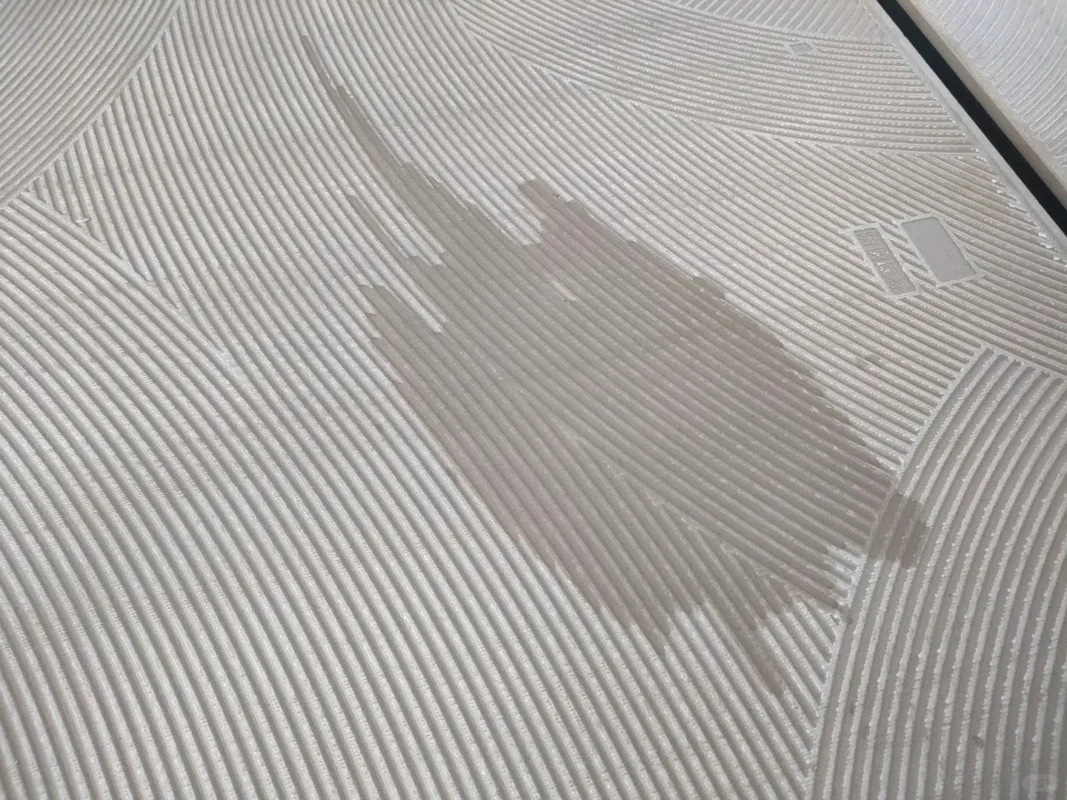
Water absorption is one of the most commonly reviewed tile properties.
For many porcelain tile discussions, buyers focus on low water absorption because it is related to tile density and performance. TCNA explains that porcelain tile certification involves water absorption of 0.5% or less when measured according to ASTM C373. 🔗Porcelain Tile Certification Reference
However, buyers should avoid a common mistake:
Lower absorption does not automatically mean the product is perfect for every project.
A tile used for:
- indoor bedroom flooring;
- bathroom walls;
- outdoor patios;
- pool decks;
- commercial kitchens;
will face different conditions.
For outdoor projects, buyers should also consider:
- freeze-thaw conditions;
- installation method;
- drainage;
- surface texture;
- local climate.
A supplier saying “low water absorption” is only the beginning of the conversation.
Breaking Strength: Why Numbers Need Context
Many suppliers provide breaking strength values in technical sheets.
However, numbers alone can sometimes confuse buyers.
A stronger tile is not automatically the best choice if the application is different.
For example:
A residential wall tile has different requirements from:
- hotel lobby flooring;
- shopping mall flooring;
- outdoor pavers;
- heavy commercial areas.
The buyer should understand:
- tile thickness;
- size;
- installation method;
- support conditions;
- expected traffic.
Large-format tiles create another consideration.
A large tile may have excellent technical data but still require careful handling, correct installation materials and experienced installers.
This is why project buyers should compare technical information together with actual application.
How to Read Tile Test Reports from China
A professional buyer should not only check whether a report exists.
They should check whether the report matches the product being purchased.
Important questions include:
Is the tested product the same model?
A supplier may send a report for a similar product, but the buyer may actually order another size, finish or series.
Is the tested size the same?
A 600×600 tile and a 1200×2400 slab may have different production considerations.
Is the finish the same?
Polished, matte, textured and outdoor surfaces may have different performance requirements.
Is the report connected to the actual manufacturer?
Some buyers receive documents without knowing whether the supplier is a factory, distributor or trading company.
Is the report recent enough for the project?
Older reports may not reflect current production changes.
The purpose of reviewing reports is not to reject suppliers.
It is to understand risk before payment and shipment.
The Difference Between a Supplier Document and Real Quality Control
A PDF report can show information.
It cannot replace real production control.
This is where many overseas buyers experience problems.
A factory may provide:
- excellent samples;
- professional documents;
- attractive prices.
But during mass production, problems may appear:
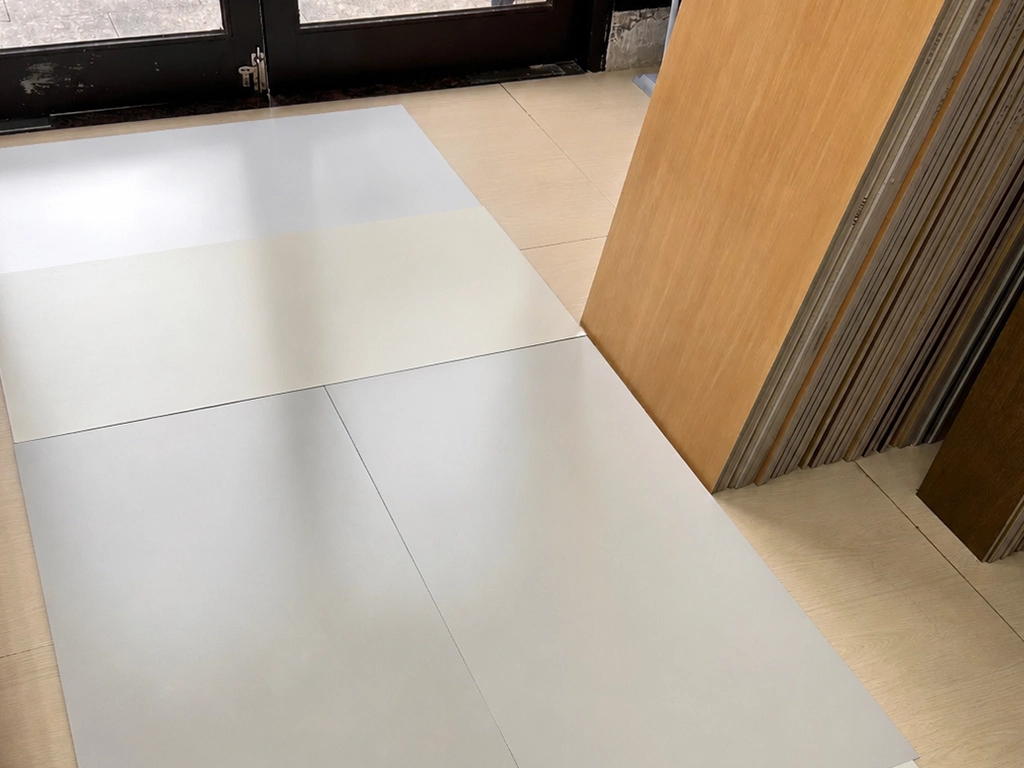
- shade differences;
- size variation;
- surface defects;
- mixed batches;
- incorrect packing;
- missing labels.
This is why experienced importers combine documents with inspection.
A complete sourcing process usually connects:
supplier selection → sample approval → production follow-up → inspection → packing check → shipment.
For more inspection details, read 🔗Tile Quality Control in China: How to Check Shade, Caliber, Flatness, Water Absorption and Packing.
A Real Buyer Scenario: When Reports Look Good but Problems Remain
A villa developer wanted porcelain tiles from China for a large residential project.
The supplier provided:
- ISO-related documents;
- water absorption information;
- strength reports;
- product specifications.
Everything looked correct.
However, during supplier verification, the buyer discovered that the report represented a similar product, not exactly the same production specification.
The main questions became:
Was the tile body the same?
Was the surface finish the same?
Was the production batch controlled?
Could replacement tiles be supplied later?
The final decision was not based only on the cheapest quotation.
It was based on whether the supplier could provide consistent products for the complete project.
This is a common situation in international tile sourcing.
The biggest risk is often not a bad product.
It is a mismatch between documents, samples and actual shipment.
Why Buyers Should Compare Suppliers Beyond Documents
When sourcing tiles from China, buyers often compare factories based on price first.
However, the lowest quotation may not represent the lowest project cost.
A cheaper supplier may have:
- weaker packing;
- limited export experience;
- inconsistent batches;
- unclear documentation;
- poor communication after payment.
A slightly higher quotation may include:
- better production control;
- clearer specifications;
- stronger inspection;
- more reliable packing;
- better after-sales support.
This is especially important for:
- hotels;
- villas;
- restaurants;
- commercial projects.
For buyers visiting Foshan, understanding the difference between factory, showroom and trading company is important. Read 🔗Foshan Tile Market Guide for Global Buyers.
What a China Sourcing Team Helps Importers Confirm
A China-based sourcing team does not replace the factory.
It helps buyers understand the factory.
For tiles, this can include:
- checking whether the supplier matches the product requirement;
- reviewing samples;
- comparing technical documents;
- confirming production details;
- checking packing before shipment;
- organizing inspection photos and videos.
This is especially useful when a project requires multiple categories.
A villa project may need:
- porcelain tiles;
- large slabs;
- bathroom products;
- cabinets;
- lighting;
- outdoor materials.
A hotel project may require:
- guestroom tiles;
- lobby flooring;
- bathroom materials;
- outdoor pavers.
The value is not only finding a cheaper supplier.
The value is reducing uncertainty.
Common Mistakes Tile Importers Make
Many buyers make decisions based only on one attractive sample.
Another common mistake is trusting a document without checking whether it matches the exact product.
Some buyers also compare prices without confirming:
- thickness;
- grade;
- finish;
- packing;
- inspection requirements;
- replacement planning.
Another mistake is assuming that every supplier using the same standard provides the same product quality.
Standards create a common framework.
Production management creates the real difference.
Final Thoughts
Reliable tile test reports help importers make better decisions before production and shipment.
Tile standards are important, but standards alone do not complete a successful sourcing project.
For importers buying tiles from China, the most important skill is connecting technical documents with real project requirements.
A good supplier should not only provide reports.
They should be able to explain:
why the product fits the application,
how quality is controlled,
how batches are managed,
and how the shipment will arrive safely.
For global buyers, reliable tile sourcing is not about collecting more certificates.
It is about making better decisions before the container leaves China.
