


Villa Interior Design Guide: Styles, Colours & Furniture

Villa Interior Design Guide: How to Choose a Style, Match Furniture and Create a Beautiful Home
A beautiful home is not created by buying expensive furniture or choosing the most fashionable materials. It comes from making the right decisions about space, colour, lighting, furniture and the small details that bring everything together.
Imagine walking into a villa where the living room has a comfortable sofa, natural wood furniture, warm lighting and carefully selected decorative pieces. The dining area follows the same colour palette, while the bedrooms feel calm and private. Nothing looks exactly the same, but everything belongs together.
That is what good interior design is about.
For homeowners planning a new villa or renovating an existing property, the challenge is often knowing where to begin. Should you choose modern minimalist furniture or a more classic style? Are light-coloured floors better than dark ones? Should the kitchen cabinets match the dining furniture? How do you combine different materials without making the interior look busy?
This guide walks through the process, from choosing an interior design style to selecting furniture, coordinating colours and decorating each room.
It also explains how to select furniture and interior products from China when you want more choices in design, materials and customization.
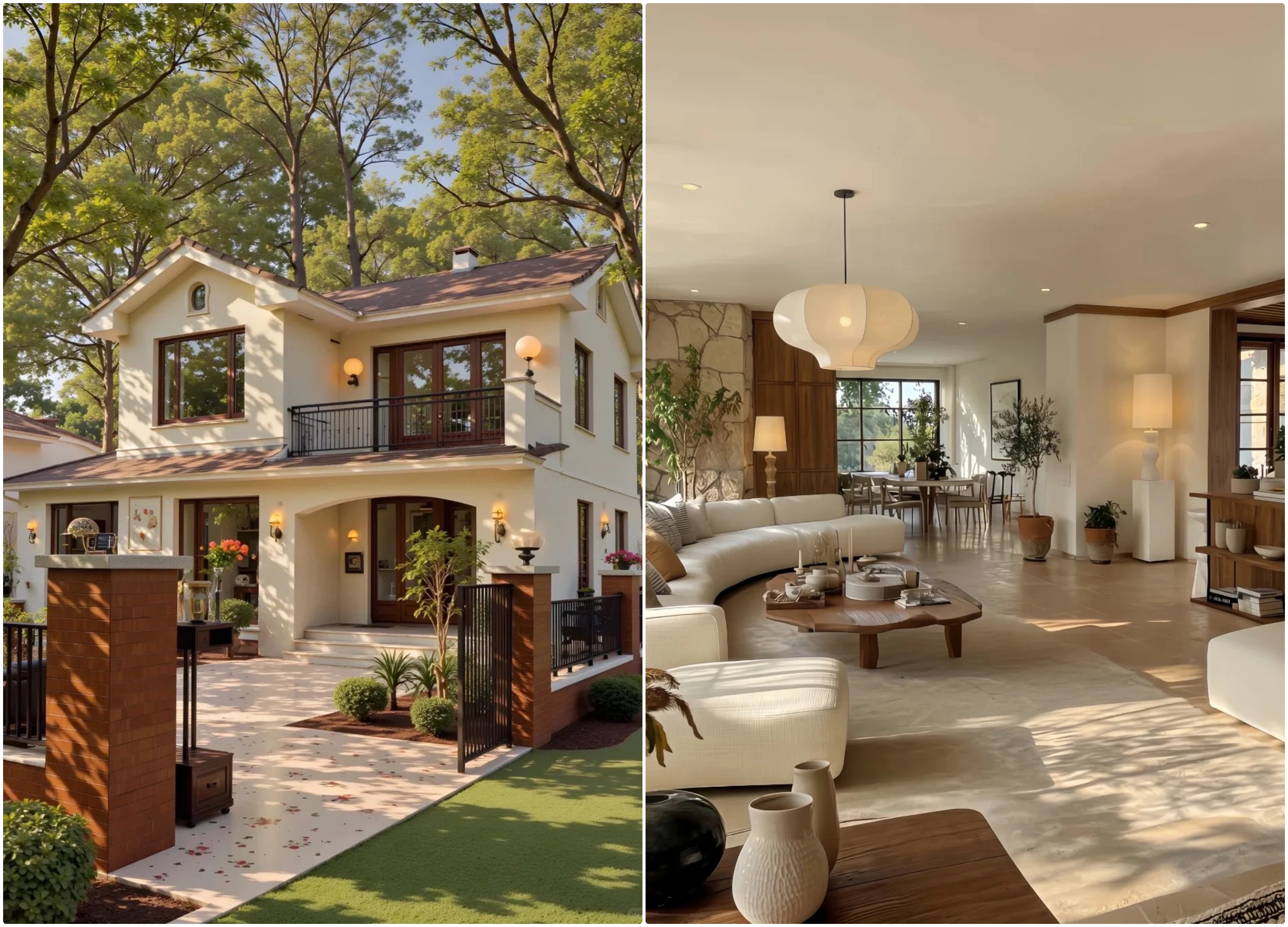
1.Start by Choosing the Right Interior Design Style
Before buying furniture, decide what kind of home you want to create.
This may sound obvious, but it is one of the most important decisions in a renovation.
A common mistake is choosing individual products because they look attractive in a showroom or online. A sofa looks beautiful, a dining table catches your attention, and a chandelier seems perfect for the entrance. But when everything arrives, the pieces may not work together.
The solution is to establish an overall design direction first.
Here are five interior styles worth considering for a villa.
(1) Modern Minimalist: Clean, Simple and Timeless
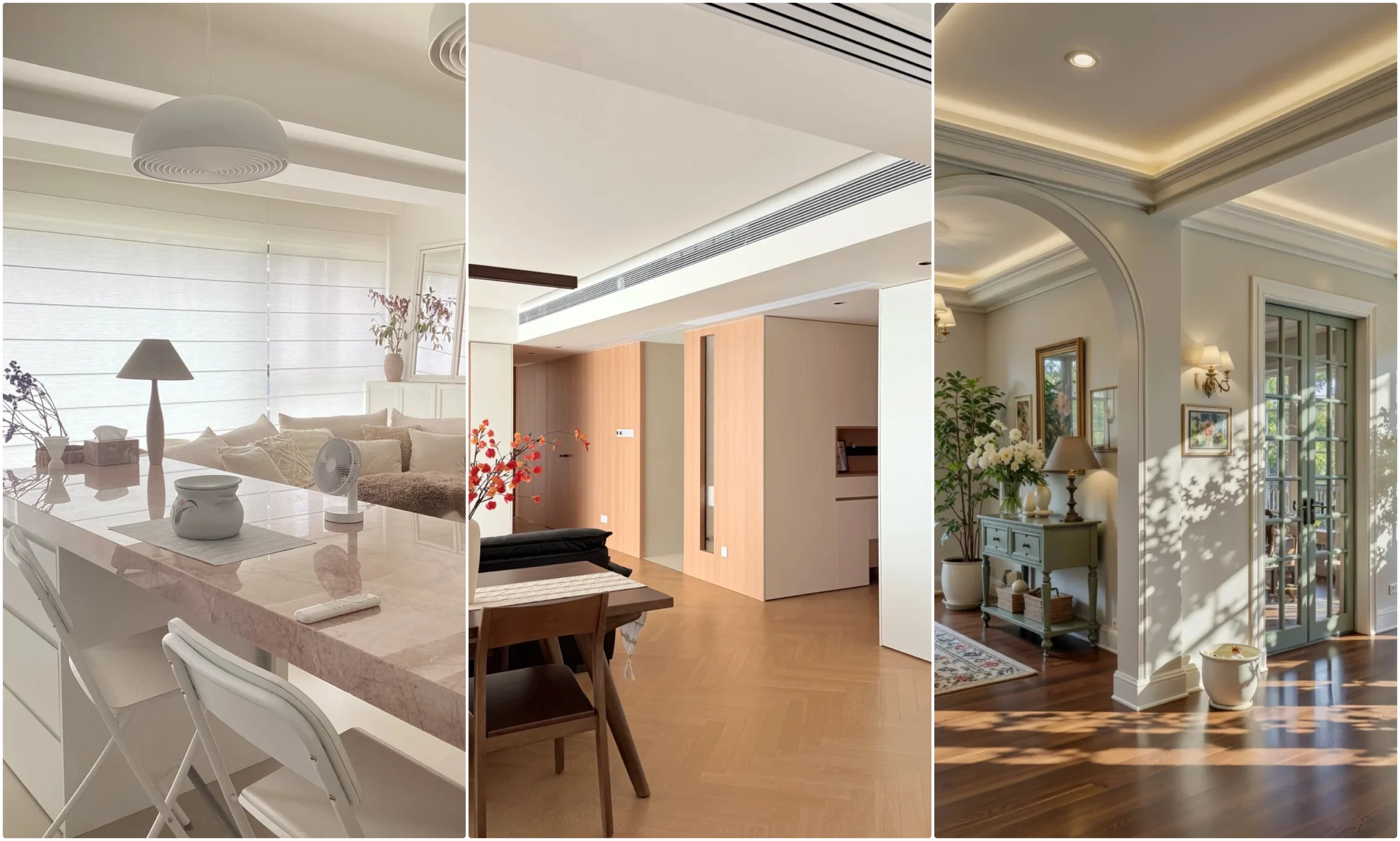
Modern minimalist interiors focus on simplicity, clean lines and uncluttered spaces.
The design usually relies on a limited colour palette, carefully selected furniture and a balance between open space and practical storage.
Typical colours:
- Warm white
- Beige
- Light grey
- Soft taupe
- Natural wood
Furniture to consider:
- Simple sofas with clean silhouettes
- Low-profile coffee tables
- Minimalist dining tables
- Built-in wardrobes
- Handleless kitchen cabinets
- Simple pendant lights
Materials:
- Natural oak
- Porcelain tiles
- Matte surfaces
- Glass
- Light-coloured stone
- Linen and cotton fabrics
This style works particularly well in villas with large windows, open-plan living areas and plenty of natural light.
However, minimalist does not mean empty or cold. Too much white, glossy material and hard surfaces can make a large room feel uncomfortable.
To avoid this, introduce different textures through rugs, curtains, wooden furniture and upholstered seating.
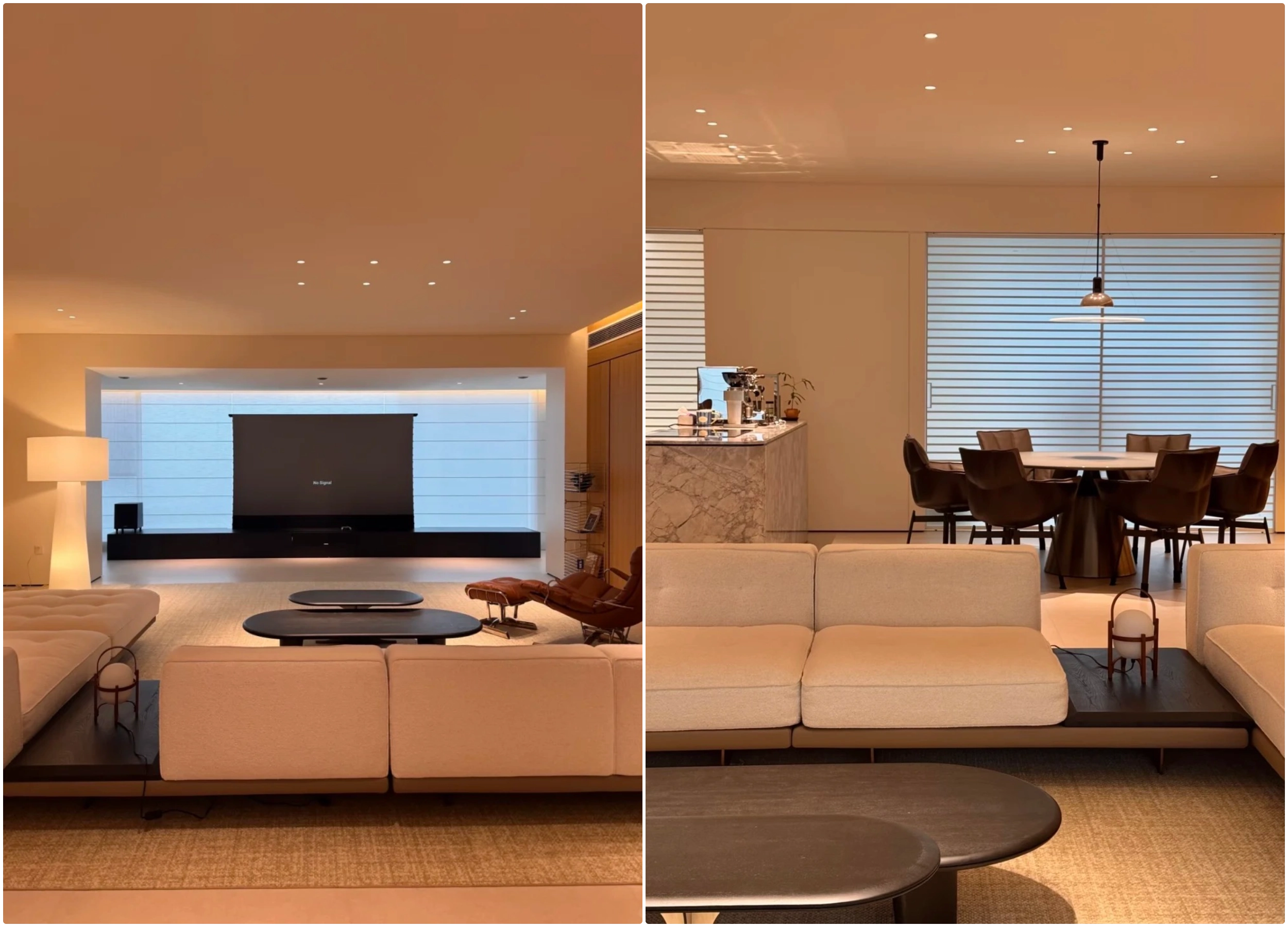
(2)Modern Luxury: Elegant Without Being Overdecorated
Modern luxury is a popular direction for homeowners who want their interiors to feel refined without looking overly traditional.
The emphasis is on materials, proportions, lighting and carefully selected furniture rather than excessive decoration.
Typical colours:
- Cream
- Champagne
- Warm grey
- Beige
- Walnut brown
- Subtle gold or bronze
Furniture to consider:
- Large upholstered sofas
- Curved accent chairs
- Marble or stone coffee tables
- Sculptural dining tables
- Elegant sideboards
- Custom bedroom furniture
Materials:
- Natural stone
- Marble-look porcelain
- Wood veneer
- Brushed brass
- Leather
- Velvet
- Textured fabrics
One of the most important elements is restraint.
For example, a marble feature wall, a sculptural chandelier and a beautifully designed sofa may be enough to establish the character of a living room.
Adding too many gold finishes, glossy surfaces and decorative patterns can make the space feel heavy.
A more balanced approach is to choose one or two standout materials and allow the remaining furniture to support them.
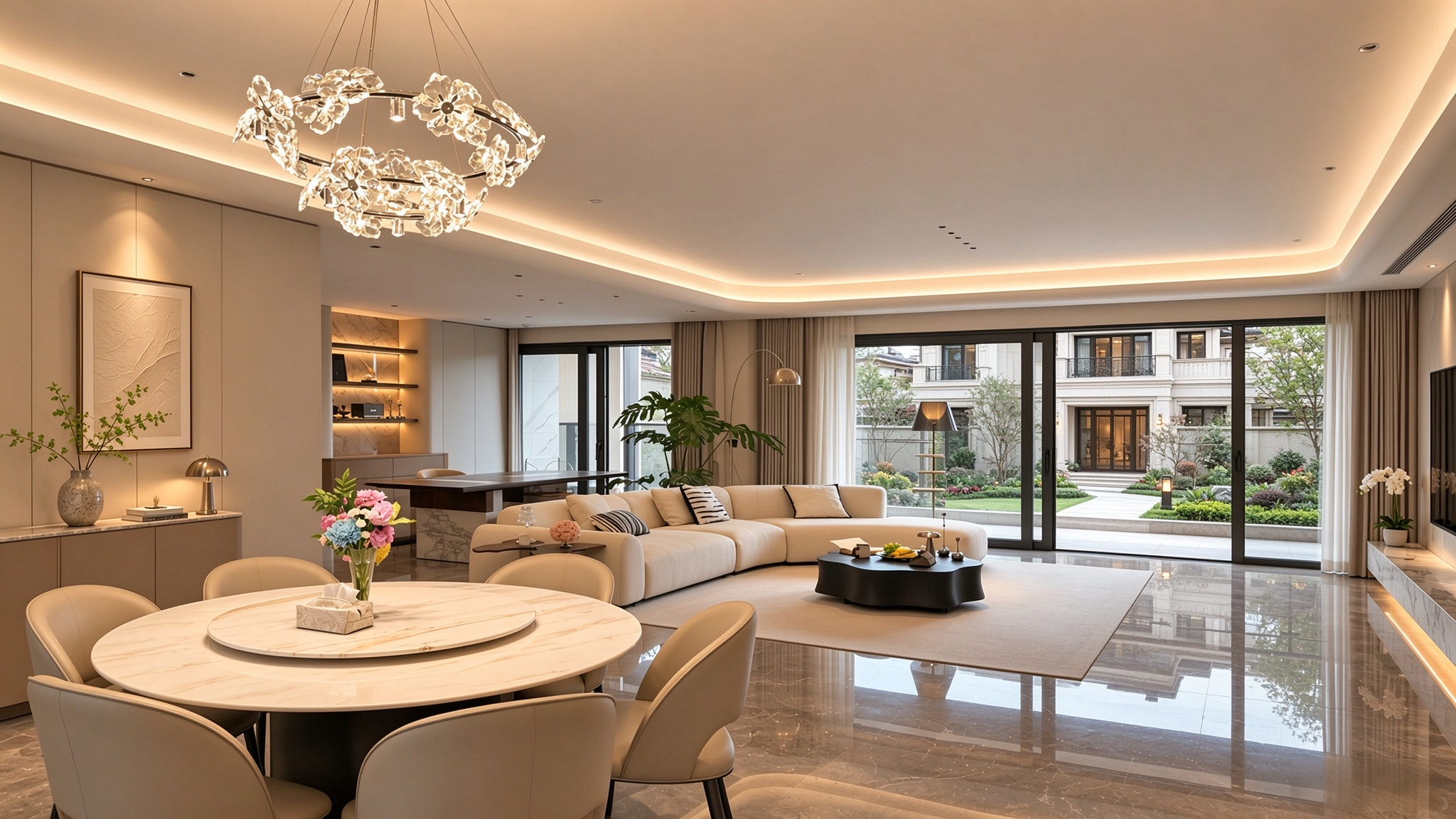
(3) Modern Classic: Traditional Details with Contemporary Comfort
Modern classic combines traditional architectural details with more contemporary furniture and practical layouts.
It is a good option for homeowners who appreciate elegant interiors but do not want a completely traditional home.
Typical colours:
- Ivory
- Cream
- Warm beige
- Soft grey
- Dark walnut
- Muted green
Furniture to consider:
- Upholstered sofas
- Elegant dining chairs
- Wooden console tables
- Traditional-style sideboards
- Decorative mirrors
- Classic chandeliers
Materials:
- Natural wood
- Marble
- Brass
- Decorative wall mouldings
- Textured upholstery
- Natural stone
The key is balancing traditional and contemporary elements.
For example, you could combine classic wall mouldings with a modern curved sofa, a contemporary coffee table and a traditional chandelier.
This creates a home that feels established and elegant without looking dated.
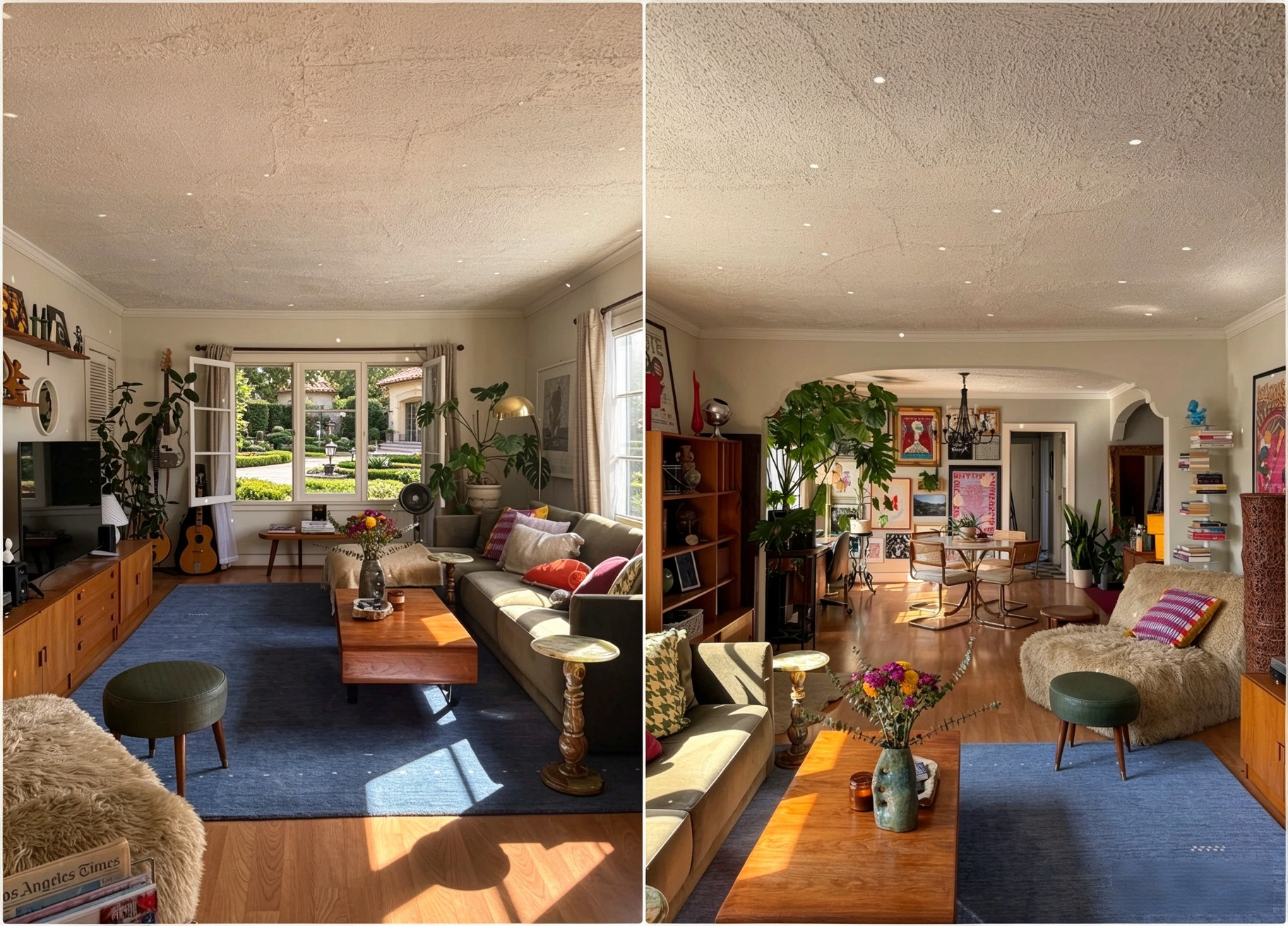
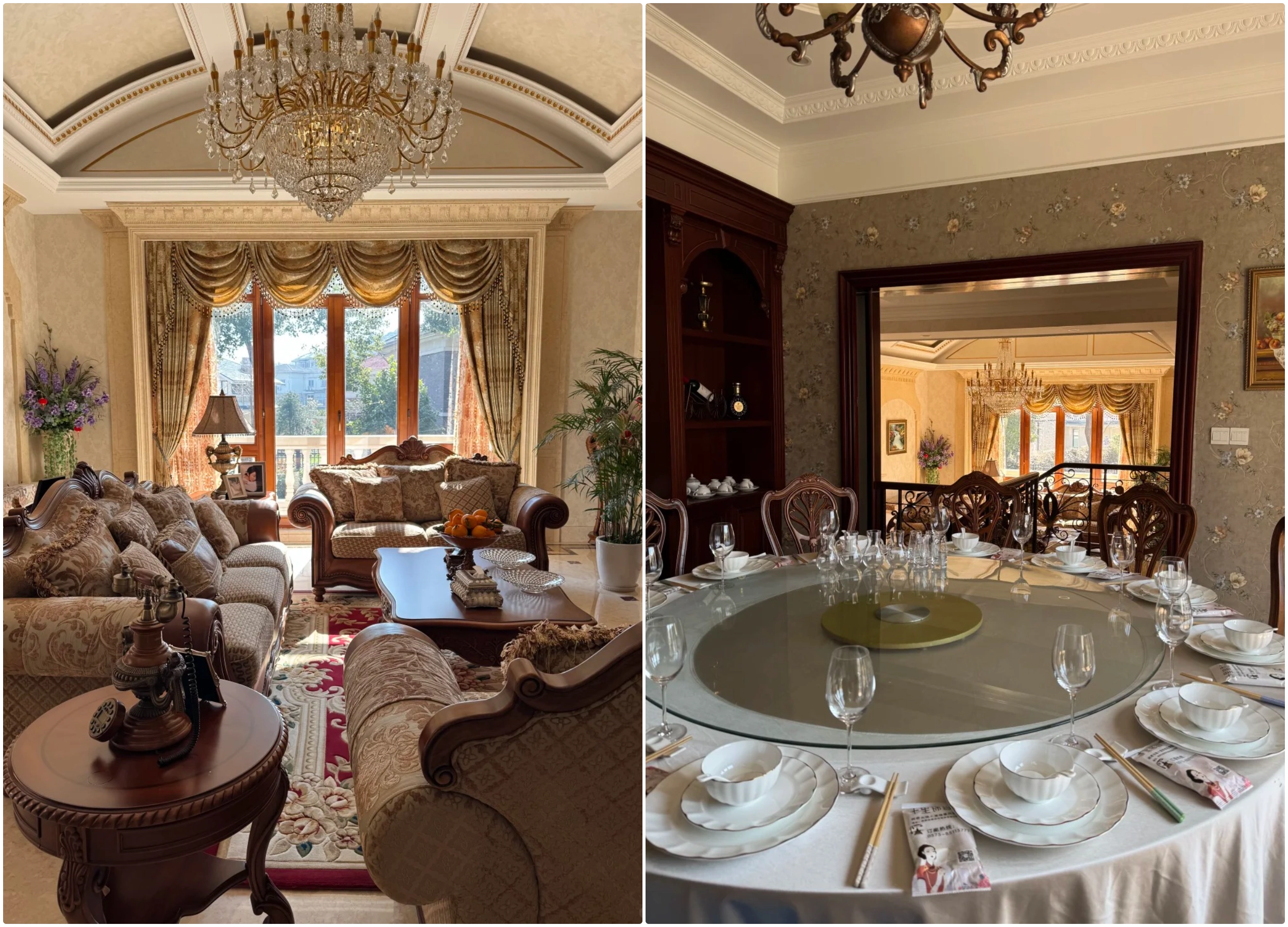
(4) French Country and Château Style: Character, Warmth and Natural Materials
French country and château-inspired interiors have a distinctive character.
Rather than relying on perfectly matched furniture sets, the style often combines natural materials, traditional furniture shapes, decorative lighting and carefully selected accessories.
Typical colours:
- Warm white
- Cream
- Muted sage green
- Soft blue
- Natural wood
- Beige
- Antique brass
Furniture to consider:
- Traditional wooden dining tables
- Upholstered armchairs
- Sofas with softer, classic shapes
- Decorative cabinets
- Carved wooden furniture
- Vintage-inspired bedside tables
Materials:
- Natural wood
- Linen
- Stone
- Brass
- Traditional patterned fabrics
- Natural carpets
This style works especially well in properties with architectural character, such as older villas, country homes and renovated historic houses.
However, it can also be adapted for a newer home by using selected traditional details rather than reproducing an entire historic interior.
For example, a natural oak dining table, a classic chandelier and linen upholstered chairs can introduce a French-inspired atmosphere without making the room look old-fashioned.
(5)Mediterranean and Coastal: Relaxed, Bright and Natural
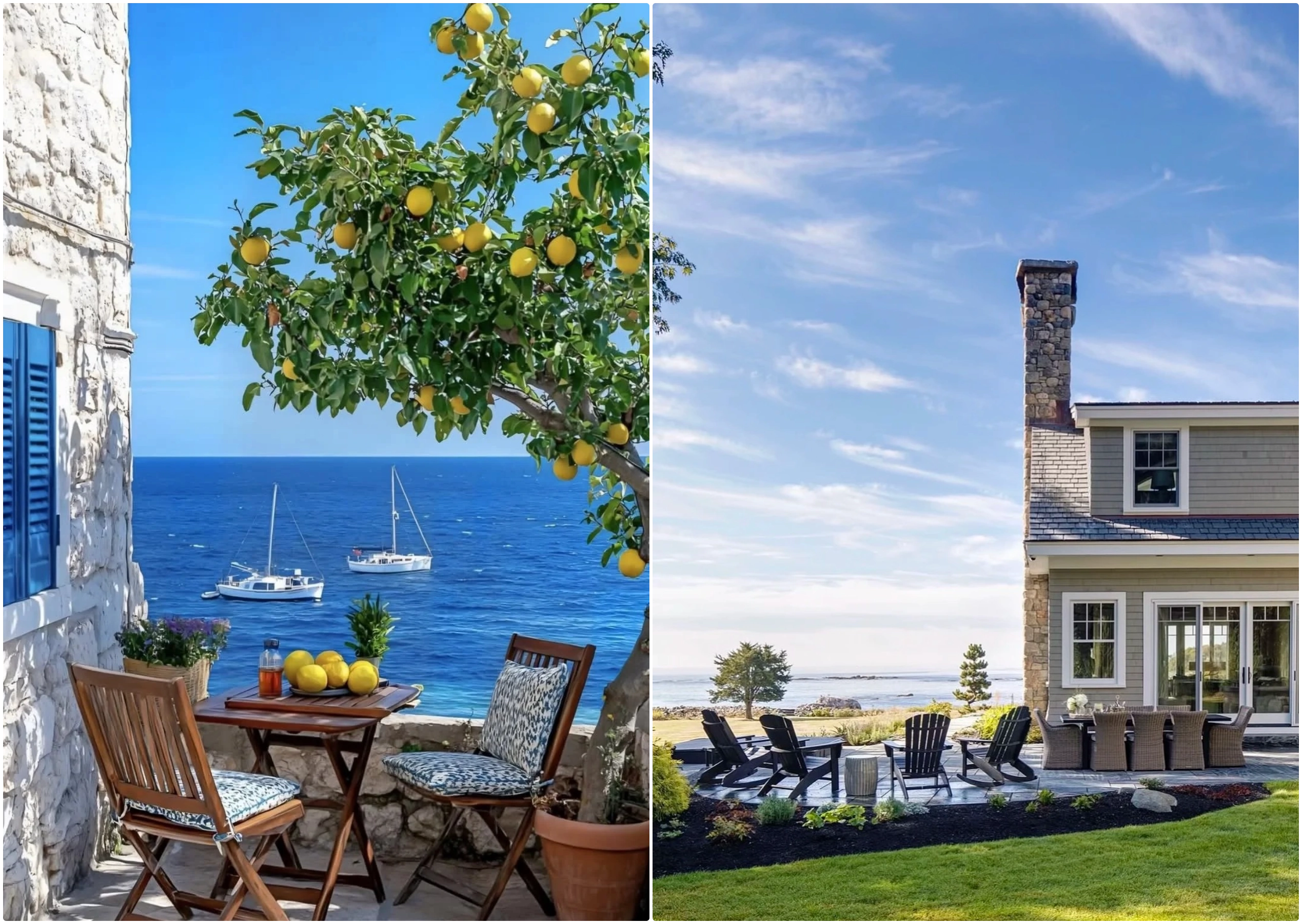
Mediterranean and coastal interiors are often associated with relaxed living, natural textures and a connection to outdoor spaces.
This style is particularly suitable for villas in warm climates or properties with gardens, terraces and large outdoor areas.
Typical colours:
- Sand
- Warm white
- Terracotta
- Soft beige
- Olive green
- Muted blue
Furniture to consider:
- Light wooden dining tables
- Linen sofas
- Rattan or woven accent chairs
- Natural wood coffee tables
- Outdoor lounge furniture
- Simple decorative cabinets
Materials:
- Limestone
- Natural stone
- Terracotta
- Oak
- Woven materials
- Linen
- Textured plaster finishes
The aim is to create a comfortable, natural atmosphere rather than a highly polished showroom appearance.
Natural imperfections and variations in texture can contribute to the character of this style.
Which Style Should You Choose?
There is no need to follow one style exactly.
Some of the most successful interiors combine elements from different design directions.
For example:
- Modern minimalist architecture with warm natural wood furniture.
- Modern luxury living rooms with French-inspired decorative lighting.
- Mediterranean materials with contemporary furniture.
- Modern classic bedrooms with simpler, more practical wardrobes.
The important thing is to have one dominant design direction.
As a starting point, I would recommend choosing one main style and no more than one or two supporting influences. This gives you room for individuality without making the whole house look disconnected.
2. Create a Colour Palette Before Buying Furniture
Once you have chosen your design direction, the next step is deciding on the colours.
Colour is one of the strongest factors influencing how a room feels.
A room with beautiful furniture can still look unbalanced if the sofa, flooring, wall colour, curtains and cabinets do not work together.
You do not need complicated colour theory to avoid this.
A useful starting point is the 60–30–10 approach.
The 60–30–10 Colour Approach
This is a common interior design guideline rather than a strict rule.
- 60% Main colour: Usually walls, major flooring surfaces and other large background areas.
- 30% Secondary colour: Larger furniture, curtains, cabinets or other significant surfaces.
- 10% Accent colour: Cushions, decorative objects, artwork and smaller details.
For example, a warm contemporary living room could use:
| Element | Suggested Colour |
|---|---|
| Main colour | Warm white |
| Secondary colour | Beige and natural oak |
| Accent colour | Dark bronze or muted green |
This creates a clear visual hierarchy.
Example 1: Warm Neutral Interior
A warm neutral palette works well for many residential interiors.
Combine:
- Cream walls
- Beige sofas
- Natural oak furniture
- Warm white curtains
- Soft brown accessories
The advantage is that the interior feels comfortable and relatively easy to update.
Example 2: Dark Wood and Light Stone
This combination can create a more dramatic and sophisticated atmosphere.
Combine:
- Light stone flooring
- Walnut furniture
- Warm grey or cream walls
- Bronze lighting
- Neutral upholstery
However, dark wood should be used carefully in rooms with limited natural light.
Example 3: Natural Green and Earthy Colours
For a more natural look, consider:
- Warm white walls
- Natural oak
- Olive green
- Sand-coloured fabrics
- Terracotta accents
This works particularly well when the villa has garden views or large windows.
A Useful Tip: Do Not Choose Colours Only from a Screen
Digital images can look different from actual materials.
Lighting, screen settings and photography can all change how colours appear.
For important materials such as wood veneer, stone, tiles and upholstery, request physical samples where possible.
Place the samples together and view them under the lighting conditions expected in your home.
A beige fabric that looks perfect on a computer screen may appear noticeably different next to your actual flooring.
3. How to Match Furniture with Flooring, Walls and Other Materials
This is where many renovation projects become difficult.
You may select a beautiful floor, an attractive sofa and an expensive dining table, but the overall result can still look inconsistent.
The reason is often that each item was selected independently.
A better approach is to coordinate the major materials before purchasing the furniture.
Start with the Largest Fixed Surfaces
In most renovation projects, it makes sense to decide the following first:
- Flooring
- Main wall colours and finishes
- Kitchen cabinet finishes
- Large built-in furniture
- Doors and window frames
These elements are relatively difficult or expensive to change later.
Once the fixed finishes are established, you can select sofas, dining furniture, beds, rugs and decorative accessories.
Choose Wood Tones Carefully
Wood is used in many parts of a villa:
- Flooring
- Doors
- Kitchen cabinets
- Wardrobes
- Dining tables
- Coffee tables
- Bed frames
- Wall panels
You do not need every wooden product to be exactly the same colour.
In fact, using several related wood tones can create a more natural and layered interior.
However, the undertones should work together.
For example, warm oak and warm walnut can often be combined successfully. A very orange-toned wood, a cool grey wood finish and a reddish cherry finish may be more difficult to coordinate.
Try to choose one dominant wood tone and one supporting tone, then use other materials to create contrast.
Mix Materials Without Making the Room Busy
A well-designed room often combines different textures.
For example:
- Wood adds warmth.
- Stone creates a solid, natural appearance.
- Metal introduces detail.
- Glass can make a room feel lighter.
- Fabric adds softness.
- Rugs help define different areas.
You do not need all these materials in every room.
Choose a few that support the overall style.
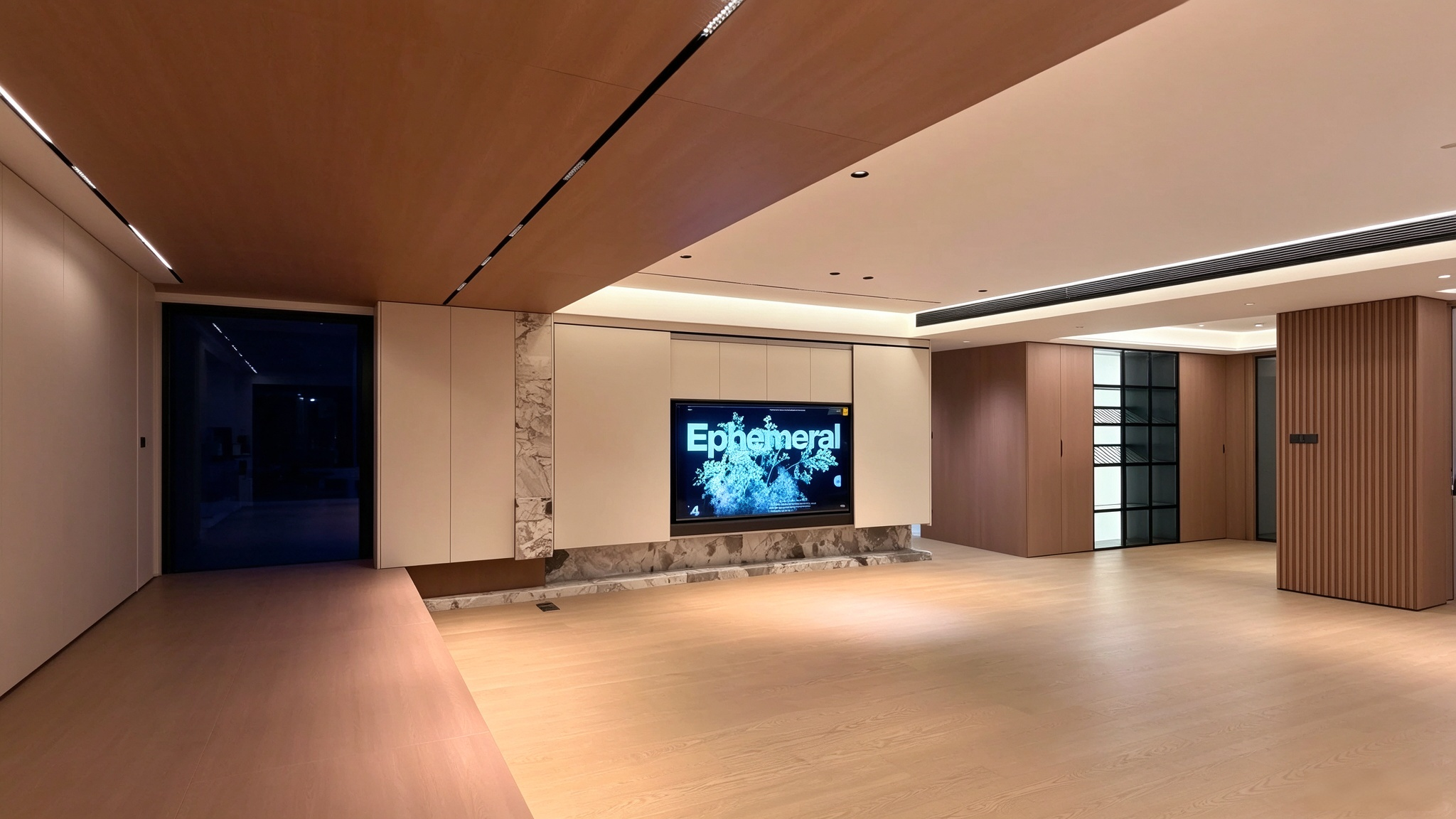
For a modern luxury living room, you might combine a beige sofa, a walnut coffee table, a stone feature wall and subtle bronze lighting.
For a Mediterranean interior, natural stone, oak, linen and woven materials may be more appropriate.
Use Repetition to Create Consistency
One simple way to make a large home feel coordinated is to repeat selected materials and colours in different rooms.
For example:
- Repeat the same wood tone in the living room and dining room.
- Use similar metal finishes in the main lighting fixtures.
- Carry the same neutral wall colour through connecting areas.
- Repeat a particular stone finish in the kitchen and selected bathroom details.
This does not mean every room should look identical.
The goal is to create visual connections between spaces.
4. How to Design Each Room in Your Villa
A villa usually contains several different spaces, and each should have its own purpose.
The living room should feel comfortable and welcoming. The dining room should be practical for everyday meals and family gatherings. Bedrooms should feel restful, while bathrooms need to balance appearance with functionality.
Here is how I would approach the main areas.
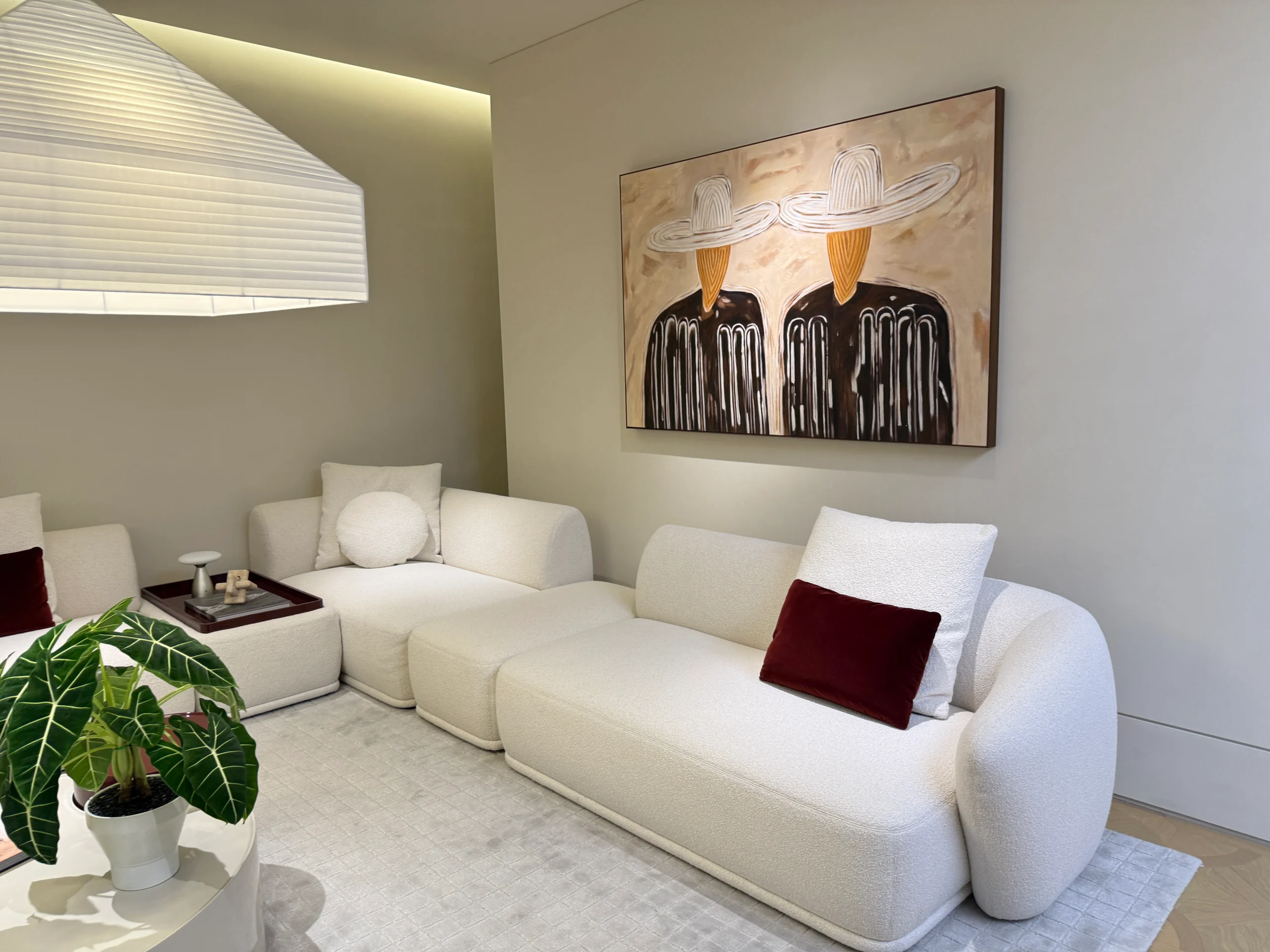
Living Room: Choose the Sofa First
The sofa is often the largest piece of furniture in the living room.
It influences the room’s proportions, colour balance and overall character.
Before choosing one, consider:
- Room dimensions
- Number of people using it
- Seating depth
- Cushion firmness
- Upholstery material
- Frame construction
- Whether you prefer a straight or sectional sofa
A large modular sofa can work well in an open-plan villa, while a smaller sofa with two armchairs may create a more balanced arrangement in a formal living room.
What should you match with the sofa?
A practical combination could be:
| Item | Design Suggestion |
|---|---|
| Sofa | Main colour and largest visual element |
| Coffee table | Complementary wood, stone or metal |
| Rug | Large enough to visually connect seating |
| Side tables | Coordinate with the coffee table |
| Floor lamp | Add a softer lighting layer |
| Cushions | Introduce accent colours and textures |
| TV cabinet | Repeat the room’s main materials |
A common mistake is buying a rug that is too small.
Where possible, choose a rug large enough for at least the front legs of the main seating furniture to sit on it. This helps the seating area feel connected.
Also consider circulation space. A beautiful sofa arrangement is not practical if people have to squeeze between the furniture to walk through the room.
Dining Room: Make the Table the Centrepiece
The dining table should be selected according to the available space and the way your family uses the room.
Consider:
- Number of people
- Table shape
- Tabletop material
- Chair comfort
- Available circulation space
- Pendant light position
A rectangular table often works well in larger dining rooms, while a round table can be suitable for smaller or more intimate spaces.
For the overall appearance, consider combining:
- A wooden dining table with upholstered chairs.
- A stone tabletop with warm wood or metal legs.
- A sculptural table with simpler chairs.
Avoid choosing a chandelier before confirming the table position and ceiling layout.
The lighting should be centred over the dining area, not simply placed in the middle of the room.
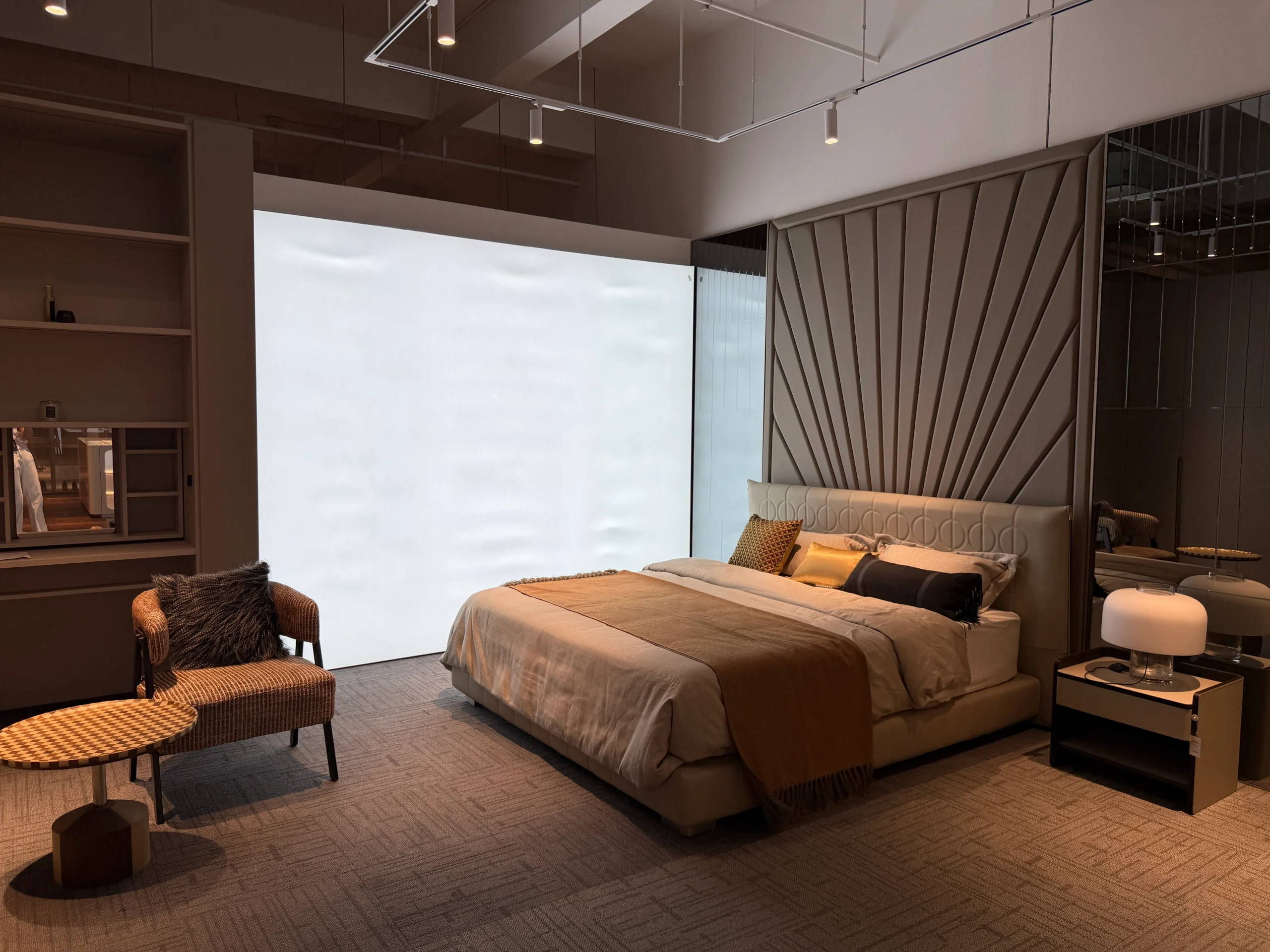
Master Bedroom: Prioritize Comfort and Calm
A bedroom should feel more restful than the main living areas.
Instead of using too many colours or decorative details, focus on a comfortable bed, coordinated storage and soft lighting.
Important furniture includes:
- Bed frame
- Headboard
- Bedside tables
- Wardrobe
- Dressing table
- Dressing chair
- Bedroom bench
The headboard is often the main visual feature.
It can be upholstered, wooden or integrated into a larger wall design.
For a more coordinated appearance, consider repeating the same wood finish in the bed frame and bedside tables.
You do not necessarily need to purchase matching bedroom furniture sets. A carefully selected combination of complementary pieces often looks more individual.
For lighting, bedside lamps or wall lights are useful for reading, while indirect lighting can create a softer atmosphere.
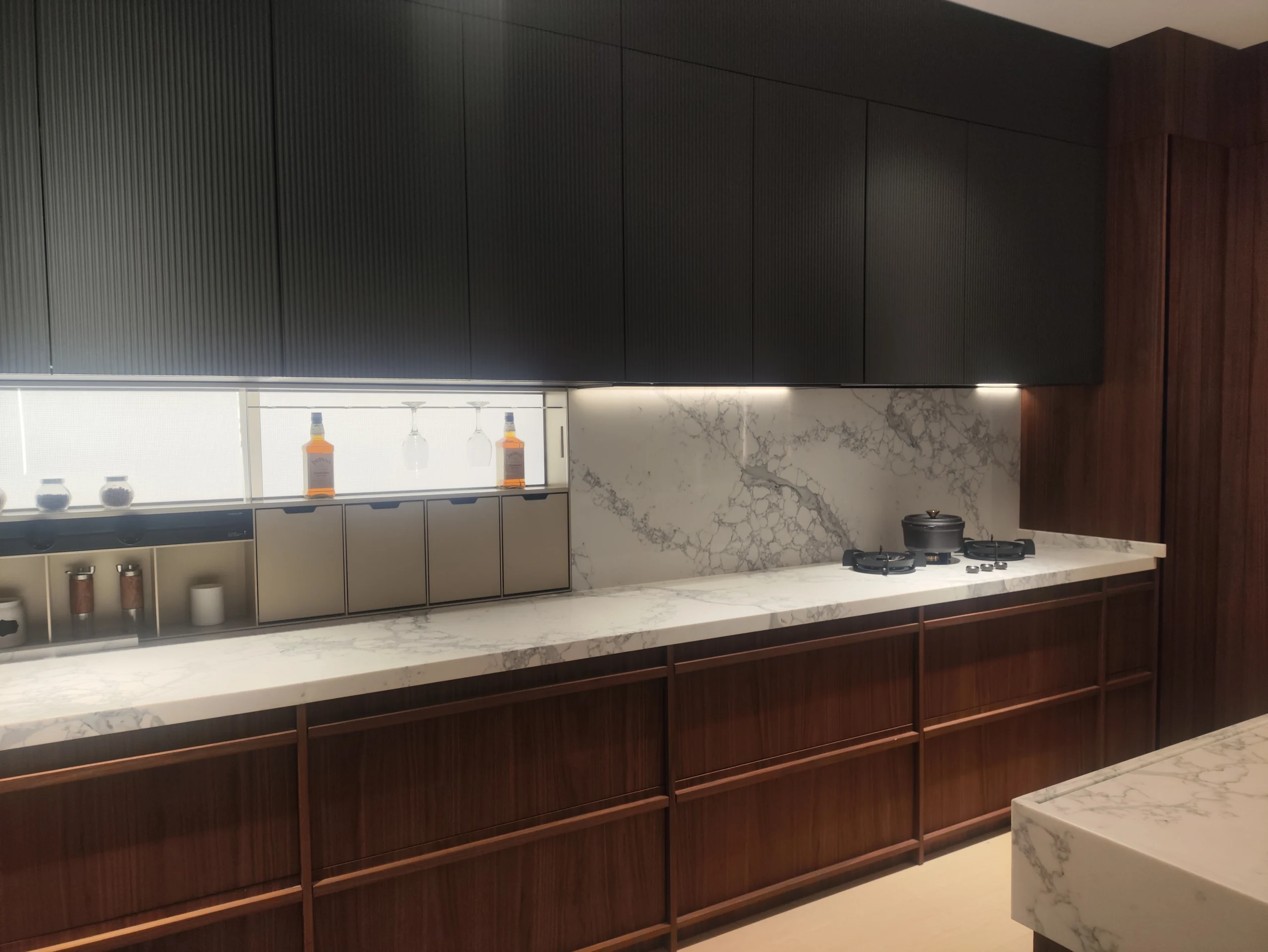
Kitchen: Match Cabinets, Countertops and Lighting
The kitchen is one of the most important areas to plan carefully because several materials and technical requirements come together.
A good starting point is choosing the cabinet style.
For a modern kitchen:
- Flat-panel cabinet doors
- Minimal handles
- Neutral colours
- Simple stone countertops
For a modern classic kitchen:
- Shaker-style doors
- Warm wood finishes
- Decorative handles
- Natural stone or suitable stone-look surfaces
For a warmer natural kitchen:
- Oak or walnut finishes
- Beige or cream cabinets
- Textured surfaces
- Warm pendant lighting
The countertop, backsplash, cabinet doors and flooring should be considered together.
Also confirm appliance dimensions, storage requirements, ventilation, electrical points and plumbing before finalizing the cabinet drawings.
A beautiful kitchen is not just about the doors and countertop. It also needs to work well every day.
Bathrooms: Keep the Materials Coordinated
Bathrooms can look much more refined when the main materials are carefully coordinated.
For example:
- Beige stone-look tiles
- Natural wood vanity
- Brushed brass fittings
- Simple mirrors
- Soft lighting
Or, for a more contemporary bathroom:
- Large-format grey tiles
- White or dark vanity
- Minimal chrome fittings
- Frameless shower enclosure
Try not to introduce too many different tile patterns and metal finishes in a small space.
Also consider cleaning and maintenance. A textured finish may look attractive but could require more frequent cleaning in certain locations.
Outdoor Living: Treat the Terrace as Part of the Home
For villas with gardens, balconies, terraces or swimming pools, outdoor furniture should be part of the overall design plan.
You may need:
- Outdoor sofa sets
- Dining tables
- Lounge chairs
- Sun loungers
- Side tables
- Pergolas
- Outdoor lighting
The materials need to suit the local climate.
For coastal homes, corrosion resistance is important. In areas with strong sunlight, outdoor fabrics and finishes should be suitable for UV exposure.
Outdoor furniture should also be comfortable enough to encourage people to use the space rather than simply decorate it.
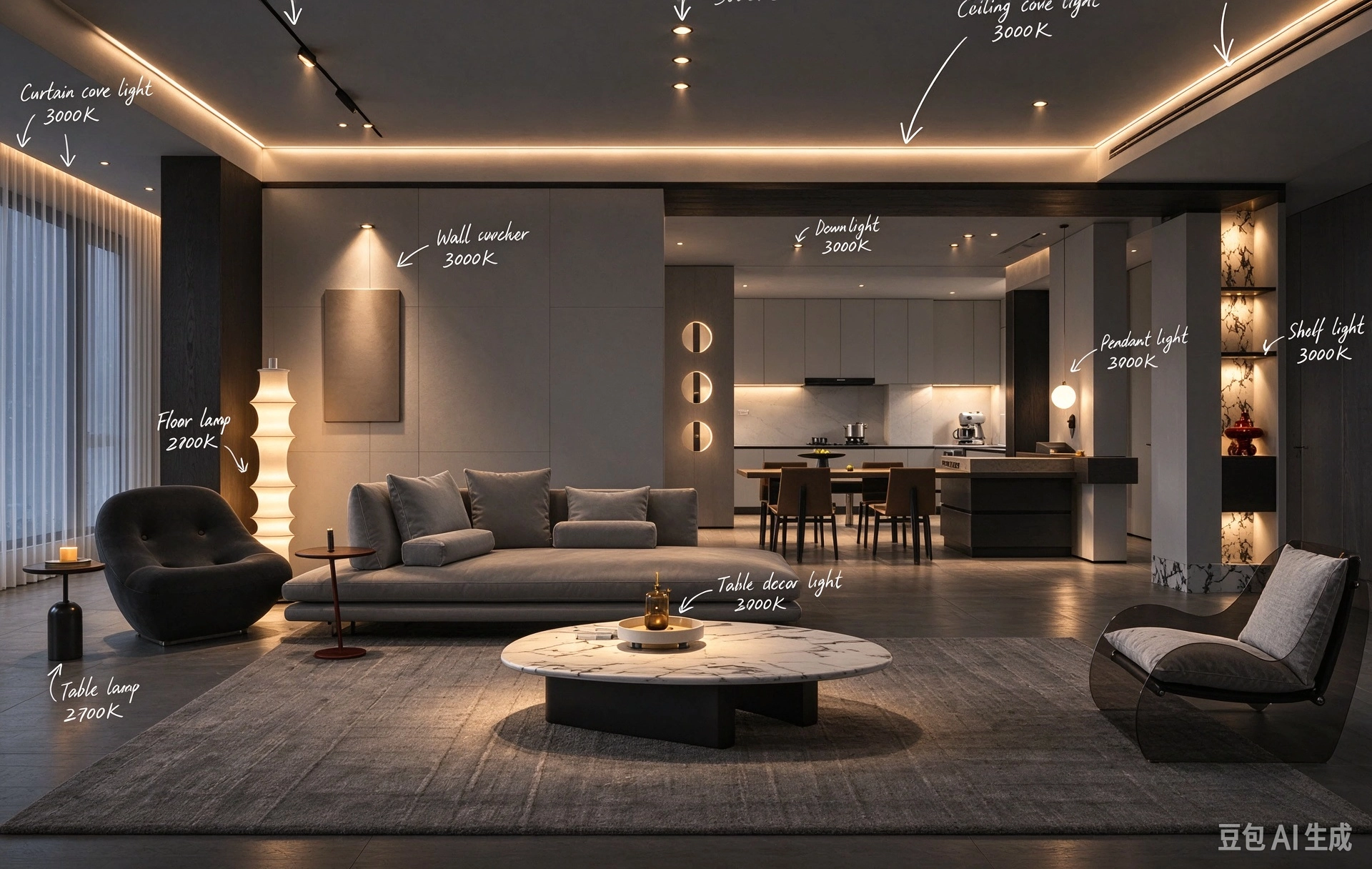
5. Lighting: The Detail That Can Change the Entire Home
Lighting is often considered too late in a renovation.
This can lead to situations where the furniture has been selected, but the electrical points, ceiling design and lighting positions are not suitable.
A better approach is to plan lighting alongside the interior layout.
There are three useful layers.
Ambient Lighting
This provides the general illumination for the room.
Examples include:
- Ceiling lights
- Recessed downlights
- Cove lighting
- Ceiling-mounted fixtures
Task Lighting
This supports specific activities.
Examples include:
- Kitchen counter lighting
- Reading lamps
- Bathroom mirror lighting
- Study desk lamps
Accent Lighting
This highlights particular areas or objects.
Examples include:
- Wall lights
- Display cabinet lighting
- Artwork lighting
- Feature-wall lighting
- Decorative table lamps
A good living room may use all three layers.
The main ceiling lighting provides general illumination, a floor lamp supports reading, and subtle accent lighting highlights the wall or display area.
Also consider colour temperature.
Warm white lighting often works well in bedrooms and relaxing living spaces, while kitchens, studies and task areas may need different lighting characteristics depending on their function.
The lighting specification should be checked for consistency rather than selecting each fixture independently.
6. Curtains, Rugs and Decorative Accessories: How to Finish the Interior
A room can have excellent furniture and still feel unfinished.
This often happens because the softer elements and decorative details have not been considered.
Curtains
Curtains influence the proportions of a room and how natural light enters the space.
For a more elegant appearance, consider:
- Full-height curtains
- Neutral fabrics
- Linen or textured materials
- Blackout curtains where needed
- Sheer curtains for softer daylight
The curtain colour should work with the wall, floor and furniture palette.
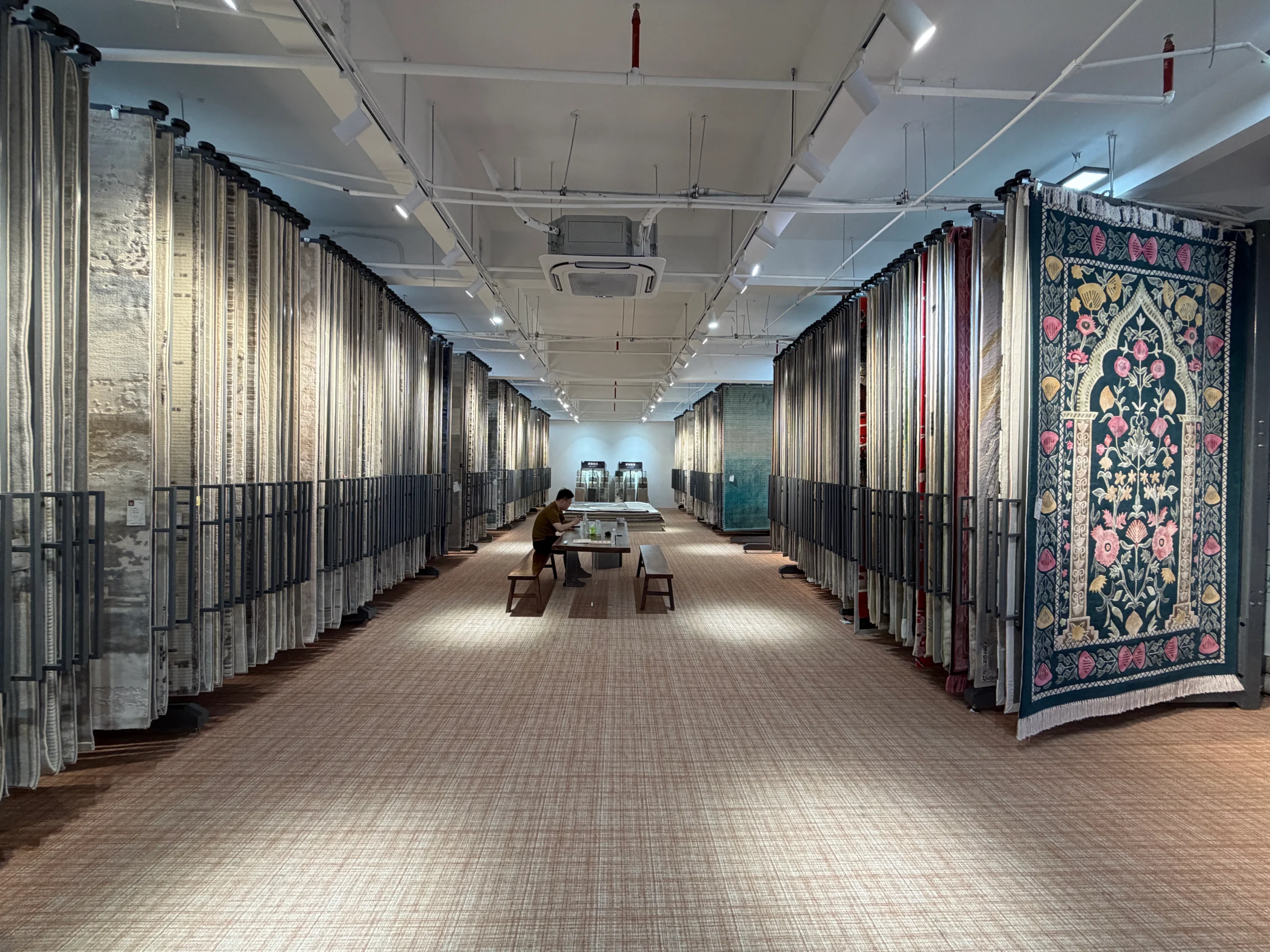
Rugs
Rugs help define areas, particularly in open-plan living spaces.
A rug can visually connect a sofa, coffee table and armchairs.
When selecting one, consider:
- Size
- Texture
- Colour
- Pattern
- Cleaning requirements
- Furniture placement
A rug that is too small may make the seating arrangement feel disconnected.
Artwork and Decorative Accessories
Artwork, mirrors, vases and decorative objects add personality.
However, it is usually better to select fewer pieces that have a clear relationship with the room than to fill every surface.
For example, one large artwork above a sofa may be more effective than several small pictures arranged without a clear composition.
Similarly, a carefully selected vase or sculpture can become a focal point without making the room feel crowded.
7. How to Make Different Rooms Feel Like One Complete Home
One of the biggest challenges in villa renovation is maintaining consistency across a large property.
The living room may look modern, the dining room traditional, and the bedrooms may use completely different colours.
Some variation is natural, but the home should still have a recognizable overall character.
Here are five ways to achieve that.
1. Repeat selected materials.
Use a consistent wood tone, stone finish or metal detail in different areas.
2. Keep the main colour palette connected.
Rooms can have different accent colours while sharing a similar background palette.
3. Use related lighting finishes.
For example, if the main living areas use bronze or brass details, consider repeating that finish in selected fixtures elsewhere.
4. Keep furniture proportions consistent with the architecture.
A very bulky sofa may look out of place in a relatively light and minimalist interior.
5. Avoid buying everything from one matching collection.
A coordinated home does not need identical furniture in every room.
Different pieces can work together through similar colours, materials, shapes and proportions.
The aim is visual consistency, not uniformity.
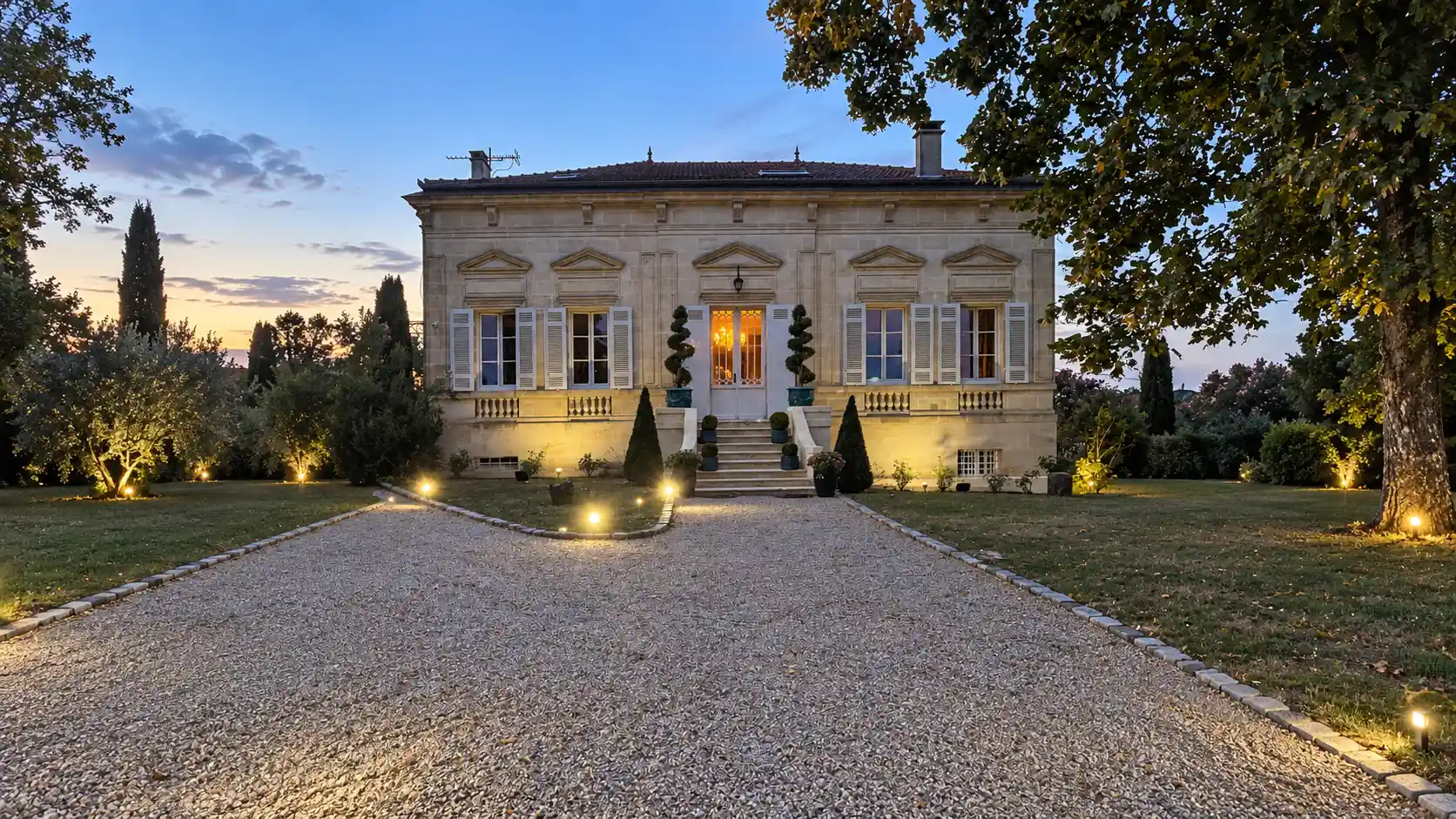
8. A Real Renovation Lesson: How a French Château’s Existing Character Shaped Its Design
A residential project we supported in Southern France provides a useful example of why the overall design direction should be established before selecting individual products.
The clients, John and Marlene, were renovating a private château for their own use.
They wanted the furniture and interior products to complement the property’s existing architectural character.
A standard modern interior would not have been suitable for every room.
The project therefore focused on:
- Traditional furniture designs
- Natural wood finishes
- French-style decorative lighting
- Metal and brass-style details
- Carefully selected tiles
- Customized carpets
- Furniture and materials that worked with the existing interior
During the five-day sourcing trip, the clients explored furniture, sofas, tiles and bathroom products in Foshan, French-style lighting in Zhongshan, and furniture, carpets and customized interior products in Dongguan.
One important problem occurred during wooden furniture production.
Although colour samples had been approved, the finished wood appeared darker than expected after multiple finishing layers were applied.
The team coordinated with the factory and the clients to review alternative finishing methods.
The final approach used a single layer of clear protective coating to protect the wood while minimizing changes to its natural appearance.
The project was completed and delivered.
The important lesson is that the interior design should be treated as one connected result.
It is not enough for a sofa, dining table, light fixture and carpet to look attractive individually. Their materials, colours, proportions and finishes need to suit the character of the home.
9. Common Interior Design Mistakes to Avoid During a Villa Renovation
Even with a good design reference, certain mistakes can make a home feel less coordinated.
Buying Furniture Before Finalizing the Layout
Furniture should be selected according to actual room dimensions.
Buying a large sofa before confirming the living-room layout may leave insufficient space for circulation.
Choosing Too Many Different Materials
A room does not need five types of stone, several wood finishes and multiple metal colours.
Too many unrelated materials can make the space feel visually busy.
Following Trends Without Considering the Property
A design that looks attractive on social media may not suit your home’s architecture, natural lighting or climate.
Choose a style that works with the property rather than copying a photograph exactly.
Ignoring Lighting During the Design Stage
Electrical points, ceiling features and decorative lighting positions should be considered early.
Otherwise, you may need to change the ceiling or electrical layout later.
Choosing Samples Without Considering the Final Finish
A material can look different after coating, polishing or installation.
For important finishes, review the completed sample rather than relying only on raw materials or digital images.
Spending Too Much on Decoration and Too Little on Everyday Comfort
A home should be enjoyable to live in.
Prioritize comfortable sofas, suitable mattresses, functional storage, good lighting and practical furniture layouts before spending heavily on decorative accessories.
10. How to Plan Your Villa Renovation in the Right Order
A well-organized renovation reduces the chance of making decisions twice.
A practical sequence is:
| Stage | Main Decisions |
|---|---|
| 1. Design direction | Interior style, room functions and colour palette |
| 2. Space planning | Furniture layouts, dimensions and circulation |
| 3. Technical planning | Electrical, plumbing, lighting and built-in requirements |
| 4. Fixed finishes | Flooring, tiles, wall finishes, doors and windows |
| 5. Built-in furniture | Kitchen cabinets, wardrobes and storage |
| 6. Loose furniture | Sofas, beds, dining tables and chairs |
| 7. Lighting and soft furnishings | Decorative lights, curtains and rugs |
| 8. Final decoration | Artwork, mirrors, accessories and plants |
Some stages overlap, and the exact sequence depends on the construction method and the advice of your local project team.
The important point is to confirm technical details before ordering customized products.
For example, kitchen cabinets should not be finalized without the relevant appliance dimensions and service locations. Windows and doors need verified measurements and suitable installation details.
11. How to Source Furniture and Interior Products from China for Your Home
Once the design direction and purchasing list are clear, you can begin comparing suppliers and products.
China offers a wide range of manufacturers across furniture, lighting, kitchen cabinets, tiles, bathroom products and decorative materials.
For homeowners, the main advantage is having more options to compare.
You can explore different furniture styles, materials, finishes and customization possibilities instead of relying only on what is available from a local retailer.
However, choosing a supplier should involve more than looking at online photographs.
Consider:
- Actual product materials
- Workmanship
- Dimensions
- Customization capabilities
- Samples
- Production quality
- Packaging
- International transportation
- Local installation requirements
If you are sourcing several categories, different specialist suppliers may be more suitable than asking one factory to provide everything.
You can also use suppliers you have already found through Alibaba, 1688, Google or personal recommendations.
For more information, see our 🔗complete guide to sourcing furniture from China for a villa project.
12. How Cody Sourcing Helps Homeowners with Furniture and Interior Product Sourcing
At Cody Sourcing, we help overseas homeowners and residential project owners find suitable Chinese suppliers for furniture, lighting, kitchen cabinets, bathroom products and other renovation items.
Our role is to support the purchasing process based on your existing design direction and requirements.
We can help with:
Reviewing Your Design and Product Requirements
You can provide floor plans, interior renderings, photographs, reference images and a purchasing list.
We review the requirements to understand which product categories need to be sourced.
Finding and Comparing Suppliers
We identify suitable manufacturers and compare their products, materials, workmanship, customization options and quotations.
Working with Your Existing Suppliers
If you already have supplier contacts, we can communicate with them and help coordinate purchasing. You are not required to use only factories recommended by our team.
Factory Visits in China
If you visit China, we can organize factory and showroom visits, provide local transportation for the agreed itinerary and assist with supplier communication and translation.
Production Follow-Up and Quality Inspection
Once orders are confirmed, we can coordinate specifications, production progress, inspection, warehouse receiving and shipping arrangements.
Our service is focused on sourcing and supply chain management. If your project requires architectural drawings, technical design or installation engineering, those responsibilities should remain with your qualified local architect, interior designer or contractor.
You can learn more about 🔗how our China sourcing process works.

Frequently Asked Questions About Villa Interior Design and Furniture
1. Which interior design style is best for a villa?
There is no single best style.
Modern minimalist, modern luxury, modern classic, French country and Mediterranean designs can all work well.
The right choice depends on the villa’s architecture, natural lighting, location, family lifestyle and personal preferences.
2. How do I choose furniture that matches my interior design?
Start with the main colour palette and materials.
Choose the large furniture pieces first, such as the sofa, dining table and bed. Then select smaller pieces, lighting and accessories that complement their colours, shapes and finishes.
You do not need every piece to come from the same collection.
3. Should all the furniture in my villa match?
No.
Matching every item exactly can make the home look like a furniture showroom.
A better approach is to repeat selected colours, wood tones, materials and design details while allowing each room to have its own character.
4. What colours make a villa look more elegant?
Warm white, beige, taupe, natural wood, soft grey and muted earth tones are useful starting points for many residential interiors.
However, the best palette depends on natural light, room proportions, existing finishes and the design style.
5. Should I choose flooring before furniture?
In most renovation projects, it is sensible to confirm the main flooring and fixed finishes before finalizing furniture.
Flooring is a large visual surface and can influence the wood tones, fabrics and colours that work best in the room.
6. How do I make a large living room feel comfortable?
Create clearly defined seating areas rather than spreading furniture randomly across the space.
Use appropriately sized sofas, rugs, coffee tables and lighting. Avoid leaving large empty areas between furniture groups without a clear purpose.
7. Can I source customized furniture from China to match my villa design?
Yes. Many Chinese furniture manufacturers offer customization, depending on the product.
Dimensions, fabrics, colours, materials, wood finishes and construction details may be adjusted.
The final drawings, samples and specifications should be confirmed before production.
8. Can I source furniture, lighting and building materials together?
Yes. Different product categories can be sourced from different specialized suppliers and coordinated as one residential project.
The important part is confirming that the products work together in terms of design, specifications, production schedules and delivery.
Create a Home That Reflects Your Style
A successful villa renovation does not come from copying one beautiful photograph or purchasing the most expensive furniture.
It comes from understanding the character of the property, choosing a suitable design direction and making thoughtful decisions about colours, materials, furniture and lighting.
The best homes are not necessarily the ones with the most decoration. They are the ones where every room feels comfortable, practical and connected to the rest of the house.
If you are planning a villa renovation or furnishing a new home, you can share your floor plans, interior renderings, reference photographs or furniture list with Cody Sourcing.
We can help you explore suitable Chinese manufacturers, compare furniture and interior products, coordinate customization and manage the China-side purchasing process.
🔗Explore Our Complete Villa Renovation Sourcing Guide
