


US Restaurant Sourcing Case: Tables, Lighting and Renovation Materials from China

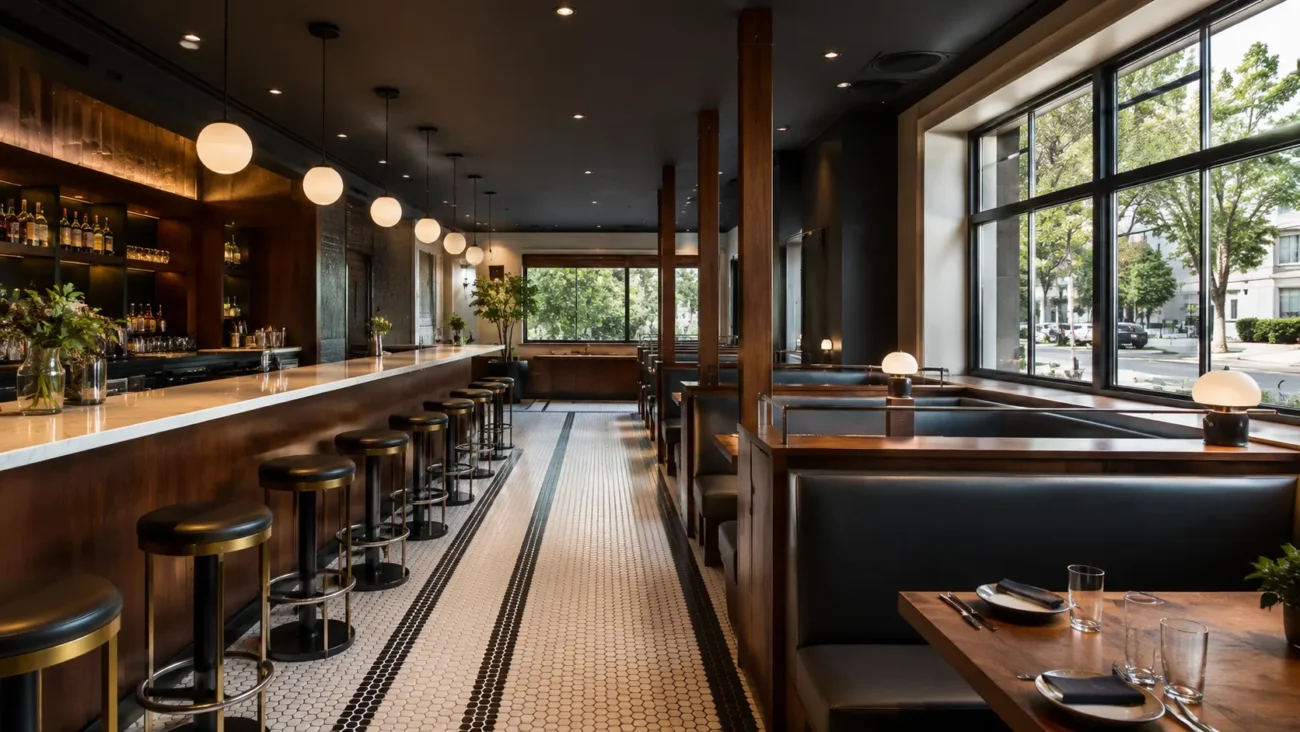
This US restaurant sourcing case started with a clear goal: the client wanted to build a restaurant space in the United States with better product options, better design flexibility and better budget control than local sourcing could offer.
For many restaurant owners, renovation is not only about buying furniture. It involves tables, chairs, lighting, tiles, tableware, kitchen supplies, decorative materials and many small details that affect the final dining experience.
When all these products are purchased locally, the total cost can rise quickly. Product choices may also be limited, especially when the restaurant owner wants a specific style, material or customized solution.
That is why this client decided to explore sourcing from China.
The goal was not simply to find the cheapest products. The real goal was to compare more options, control the project budget and make sure the restaurant could still look professional, warm and commercially practical.
Project Overview
| Project Type | US Restaurant Renovation |
|---|---|
| Buyer Location | California, United States |
| Main Products | Restaurant tables, lighting, tiles, tableware, kitchen supplies and renovation materials |
| Sourcing Location | Guangzhou, Foshan and nearby supplier areas |
| Main Goal | Better product options and project budget control |
| Key Challenge | Multi-category sourcing, supplier comparison, quality checking and shipping coordination |
This project was a typical commercial restaurant sourcing case.
The client did not need only one product. They needed a group of products that had to work together in the same restaurant space.
That made the sourcing process more complex, but also more valuable.
Why a US Restaurant Owner Looked to China
Restaurant renovation in the United States can be expensive.
For a restaurant owner, the cost is not only rent, labor or kitchen operation. The physical space also requires serious investment.
A restaurant may need:
- Dining tables
- Chairs
- Pendant lights
- Wall lights
- Tiles
- Decorative materials
- Tableware
- Kitchen equipment
- Storage items
- 硬件
- Packaging and shipping coordination
When a project involves many categories, local purchasing can become difficult. Some products may be available, but the price may be high. Some styles may match the design, but the delivery time may be long. Some materials may look good, but the total budget may become too heavy.
For restaurant owners, sourcing from China is not only about lower unit prices. It is about controlling the full project budget while keeping enough design choices.
In this case, the client wanted to see whether China could provide more product options within a reasonable budget.
What the Client Needed
The client’s restaurant project required products that were practical, durable and visually suitable for a commercial dining space.
The main sourcing needs included:
- Restaurant tables
- Dining chairs
- Decorative lighting
- Tiles and renovation materials
- Tableware
- Kitchen-related supplies
- Supporting materials for installation and shipping
The products had to meet several conditions.
They needed to look good in the restaurant, but they also needed to survive daily commercial use. A restaurant table is not the same as a home dining table. A decorative light is not only a design object. A tile or wall material must also work with cleaning, foot traffic and long-term maintenance.
This is why the sourcing process focused on both appearance and practicality.
Restaurant Tables: More Than Just Furniture
Restaurant tables were one of the most important product categories in this project.
For commercial restaurant use, the table should not be selected only by style.
Important details include:
- Tabletop material
- Scratch resistance
- Edge treatment
- Table base stability
- Size consistency
- Surface cleaning
- Packaging protection
- Whether the table can handle high-frequency daily use
During the sourcing process, the client compared different table materials and structures.
Some tables looked beautiful in photos, but the base was not stable enough for restaurant use. Some tabletops had a nice finish, but the surface protection was not suitable for heavy commercial traffic. Some designs were attractive, but the packaging risk was too high for international shipping.
For restaurant furniture, the best choice is not always the most beautiful product in the showroom.
It is the product that balances design, durability, cost and shipping safety.

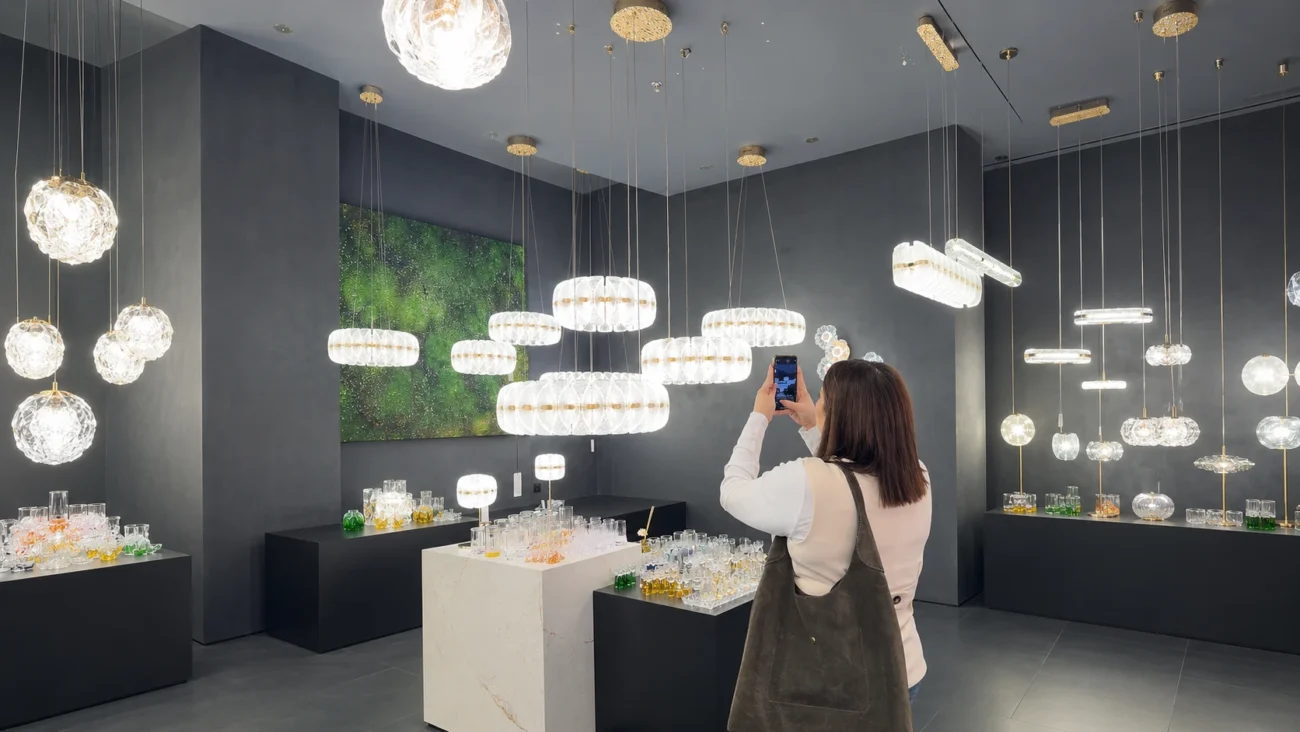
Lighting: Creating Atmosphere, Not Only Brightness
Lighting was another key part of the restaurant project.
For restaurants, lighting is not only about making the space bright. It affects mood, customer experience, photography, table presentation and the overall feeling of the dining room.
The client compared different types of lighting, including:
- Pendant lights
- Decorative lights
- Wall lights
- Warm atmosphere lighting
- Lighting suitable for dining areas
- Lighting that matched the restaurant concept
When sourcing restaurant lighting from China, buyers should pay attention to more than the design.
Important checks include:
- Size
- Material
- Color temperature
- Installation method
- Voltage requirement
- Packaging method
- Glass or fragile part protection
- Whether the light matches the restaurant layout
Lighting is also one of the categories that can be easily damaged during shipping if packaging is weak.
For this reason, product selection and packaging review were handled together.
Renovation Materials: Tiles, Tableware, Kitchen Supplies and Details
Restaurant sourcing is not only about large visible products.
Many smaller items also affect the final project.
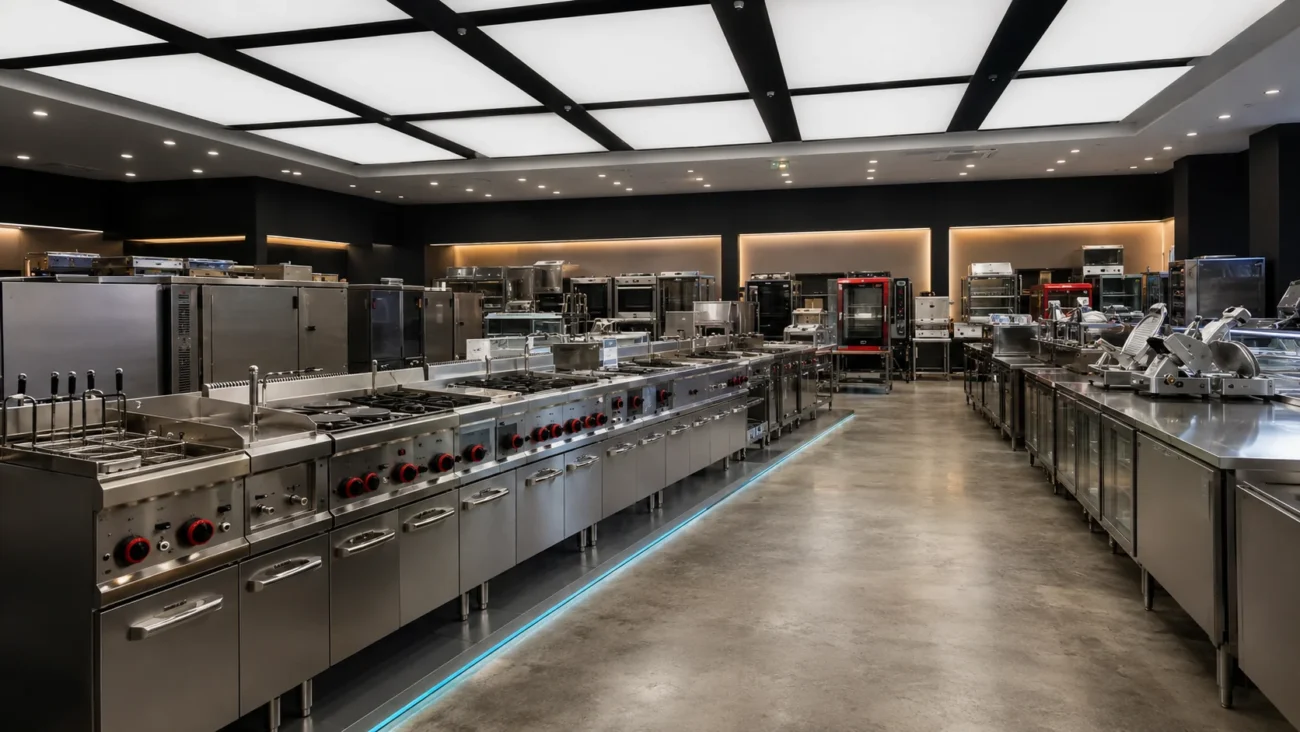
In this case, the client also compared renovation-related products such as:
- Tiles
- Wall materials
- Tableware
- Kitchen supplies
- Decorative details
- Supporting hardware
- Installation-related products
These products may look separate, but they need to work together.
For example, tile color affects the feeling of the dining space. Lighting changes how the table surface looks. Tableware affects the dining presentation. Chairs and tables affect customer comfort. Kitchen and storage products affect daily operation.
This is why restaurant sourcing should be treated as a full-space project, not a simple product list.
A good sourcing plan should connect design, function, budget and delivery.
How the China Sourcing Trip Worked
The sourcing trip was planned around efficiency.
The client had limited time in China, so the goal was not to visit as many suppliers as possible. The goal was to visit the right suppliers and make clear decisions.
The process included:
- Understanding the restaurant concept
- Confirming product categories
- Matching supplier areas
- Visiting showrooms and suppliers
- Comparing materials and prices
- Checking product quality
- Discussing packaging and shipping
- Reviewing which products were suitable for the final order
During the trip, the client could see products directly instead of only checking photos or online catalogues.
This made a big difference.
When buyers see materials, colors, table structures, lighting effects and packaging details in person, they can make better decisions and avoid many mistakes before placing orders.
What Surprised the Client During the Sourcing Process
What surprised the client most was not only the price difference, but the number of product options available in one sourcing trip.
Before coming to China, the client was concerned about:
- Supplier communication
- Product quality
- Whether the products would look different from photos
- Whether shipping would be difficult
- Whether the project would become too complicated
After visiting suppliers and showrooms, the client saw that China sourcing was not only about cheap alternatives.
Many products had strong design value, practical commercial use and flexible customization options.
The client also realized that seeing products in person made the sourcing process much clearer. Instead of choosing from limited local options, they could compare different materials, styles, finishes and price levels in a short time.
For a restaurant project, this variety was very important.
Cost Control: What Buyers Should Understand
China sourcing can help restaurant owners control costs, but buyers should understand the right way to compare prices.
The lowest unit price is not always the best decision.
A proper cost comparison should include:
- Product quality
- Material level
- Packaging
- Minimum order quantity
- Shipping cost
- Import cost
- Replacement risk
- Installation compatibility
- Lead time
- After-sales difficulty
In this project, the client found that sourcing from China could help reduce the total material budget significantly compared with buying similar products locally in the United States.
Based on the client’s local comparison for similar quality and product scope, the overall sourcing cost was much lower, with some categories close to 50% lower.
However, this should not be understood as a fixed promise for every project.
The final saving depends on product category, order quantity, shipping method, destination, local market price and quality level.
Quality Checking Before Shipping
For restaurant projects, quality checking is important because the products will be used in a commercial environment.
Before shipment, buyers should check:
- Product model
- Quantity
- Material
- Color and finish
- Table stability
- Lighting function
- Surface defects
- Packaging protection
- Carton marks
- Fragile product protection
- Whether accessories are complete
- Whether products are suitable for container loading
Restaurant products often include fragile, heavy and mixed-category items. Tables, lights, tiles, tableware and kitchen supplies should not be loaded casually without a plan.
For more inspection details, read:🔗 How to Inspect Building Materials Before Shipping from China.
Shipping and Consolidation
One of the most important parts of this project was shipping coordination.
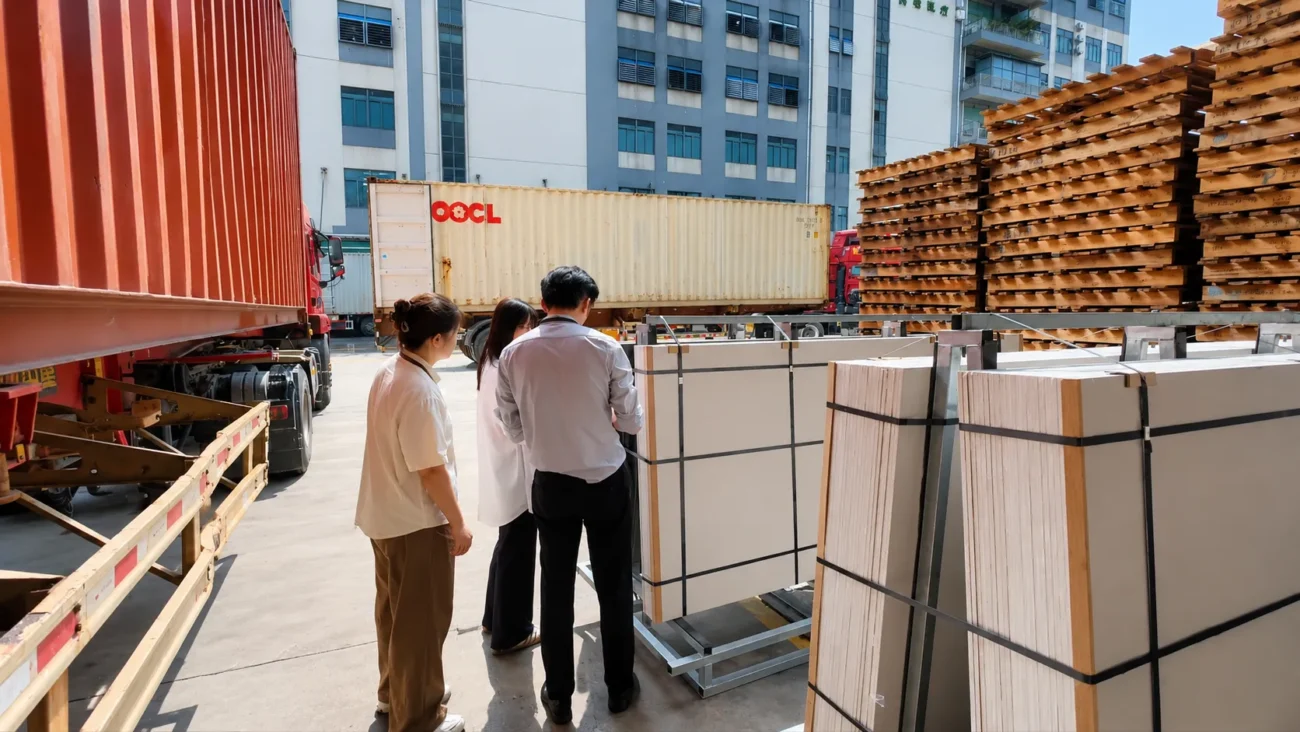
When products come from multiple suppliers, the challenge is not only buying them. The challenge is collecting, checking, packing and shipping them together.
For mixed restaurant orders, buyers should consider:
- Supplier delivery schedule
- Warehouse consolidation
- Carton marking
- Fragile product packing
- Lighting protection
- Table packaging
- Tile palletizing
- Container loading sequence
- Shipping documents
If no one manages the consolidation process, products may arrive at the warehouse at different times, accessories may be missing, cartons may be unclear, and fragile products may be loaded incorrectly.
This is why supply chain coordination matters.
Key Lessons for US Restaurant Owners Sourcing from China
This case offers several useful lessons for restaurant owners.
1. Do Not Start with Random Supplier Searches
Restaurant sourcing should start from a clear product list and design direction.
Without a clear plan, buyers may waste time comparing products that do not fit the project.
2. Compare Products by Commercial Use
A restaurant table, chair or light must be suitable for daily business use.
Buyers should check durability, packaging and maintenance, not only appearance.
3. Visit Suppliers When Possible
Photos and catalogues are useful, but seeing products in person helps buyers understand material, size, finish and quality more clearly.
4. Plan Shipping Early
Shipping should not be treated as the last step.
For restaurant renovation products, packaging and container loading should be considered before placing the final order.
5. Use Local Support for Multi-Category Orders
When a project involves furniture, lighting, tiles, tableware and kitchen products, supplier coordination becomes important.
A local sourcing team can help reduce confusion and risk.
How a Local Sourcing Team Helped Manage the Project
For this US restaurant sourcing case, the value of local support was not only translation or transportation.
The real value was helping the client turn a broad restaurant renovation idea into a clear sourcing plan.
Cody Sourcing helped with:
- Product category planning
- Supplier matching
- Showroom and supplier visits
- Product comparison
- Price checking
- Quality review
- Packaging discussion
- Shipping coordination
- Multi-supplier communication
For overseas buyers, China sourcing can be very efficient, but only when the process is organized.
The goal is not simply to buy more products from China.
The goal is to make better purchasing decisions, reduce project risk and help the final restaurant space match both budget and design expectations.
Final Thoughts
This US restaurant sourcing case also shows that successful China sourcing is not only about price, but about supplier comparison, product checking, packaging and shipping coordination.
For this client, sourcing from China provided more product choices, better budget control and a more direct way to compare restaurant tables, lighting, renovation materials and supporting products.
But the real value was not only in the lower cost.
The real value came from supplier comparison, product checking, packaging review, shipping coordination and turning many separate products into one manageable restaurant project.
For restaurant owners planning renovation or new openings, sourcing from China can be a practical option when the process is planned carefully and managed professionally.
