


304 vs 316 Stainless Steel Kitchenware From China: What Importers Should Know Before Ordering

When importing stainless steel kitchenware from China, many buyers compare suppliers mainly by price, product design and production capacity.
However, one detail can create a significant difference between similar-looking products:
the stainless steel material specification.
A supplier may quote the same cookware set, food container or kitchen utensil at a very different price from another factory. In many cases, the difference is not only the supplier’s margin. It can come from the stainless steel grade, material thickness, manufacturing process and quality standards behind the product.
For importers, understanding 304 vs 316 stainless steel kitchenware before placing a bulk order helps avoid choosing the wrong specification, paying for unnecessary upgrades or receiving products that do not match customer expectations.
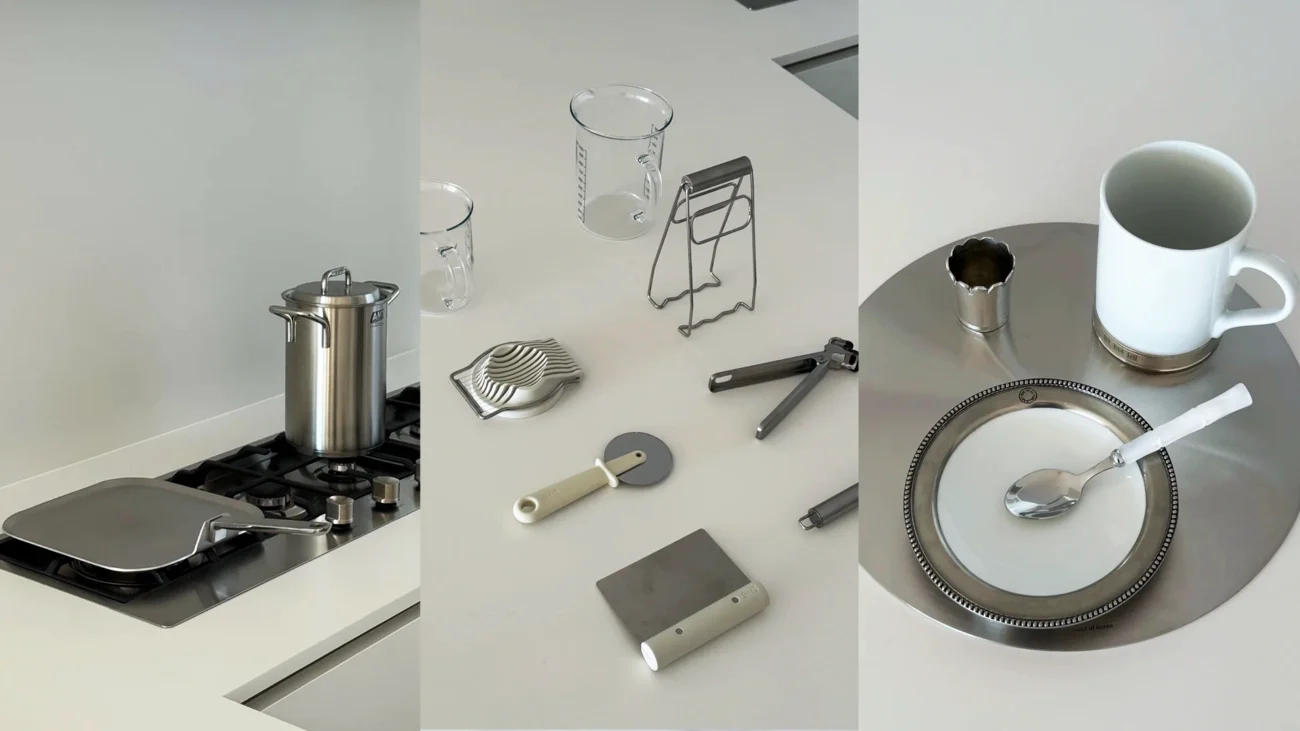
Why Stainless Steel Grade Matters When Sourcing Kitchenware From China
“Stainless steel kitchenware” is a broad product description.
For overseas buyers, it is not enough to confirm that a product is made from stainless steel. The exact material grade and production specification need to be clearly defined before manufacturing.
Two products may look almost identical in supplier photos but perform differently because of differences in:
- stainless steel grade;
- material thickness;
- production process;
- surface finishing;
- quality control requirements.
This is one reason why professional buyers do not compare China suppliers only by quotation price.
A lower price may sometimes come from:
- different material specifications;
- thinner construction;
- simplified finishing;
- different production standards.
Before bulk ordering, buyers should confirm what is actually included in the supplier quotation.
304 Stainless Steel Kitchenware: The Common Choice For Everyday Products
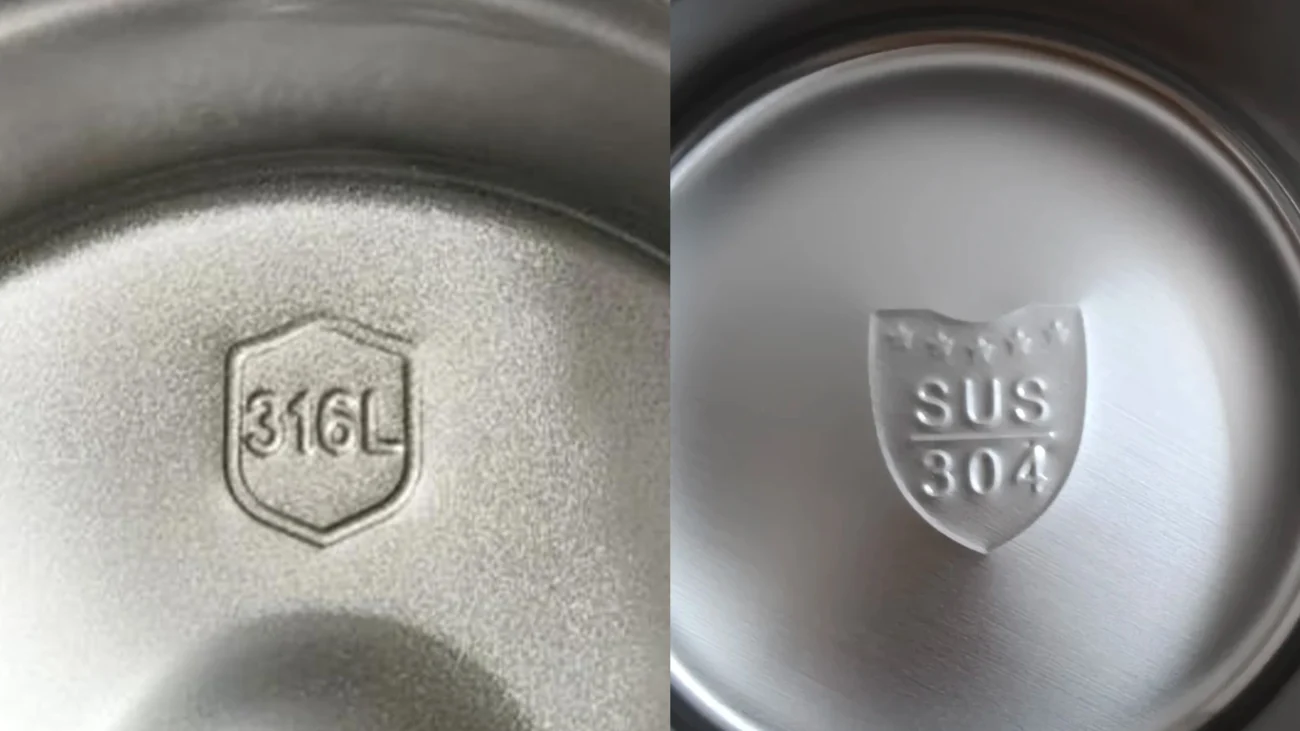
When comparing 304 vs 316 stainless steel kitchenware, importers should first understand that both materials are widely used in China kitchenware manufacturing, but they serve different product positions.
304 stainless steel is one of the most widely used materials in kitchenware manufacturing.
For many kitchen products, it provides a practical balance between durability, appearance and cost.
Common applications include:
- cookware;
- kitchen utensils;
- mixing bowls;
- food storage containers;
- serving products.
For many importers, 304 stainless steel is suitable because it offers reliable performance while keeping production costs competitive.
This makes it a common choice for:
- retail kitchenware brands;
- restaurant suppliers;
- household product distributors;
- private label projects.
However, buyers should not assume that every supplier offering “stainless steel kitchenware” is providing the same material specification.
Before production, importers should confirm:
- stainless steel grade;
- product thickness;
- approved sample requirements;
- surface treatment;
- packaging standards.
316 Stainless Steel Kitchenware: When Does It Make Sense?
316 stainless steel is often considered a premium material option because it provides higher corrosion resistance in certain environments.
For some applications, this additional performance can create real value.
316 stainless steel may be considered for:
- premium kitchenware collections;
- products positioned at a higher price level;
- applications where stronger corrosion resistance is important.
However, choosing 316 stainless steel is not always the best commercial decision.
A higher material grade also means a higher production cost.
For many everyday kitchenware products, the additional cost may not create a noticeable benefit for end customers.
The right question for importers is not:
“Which material is better?”
The better question is:
“Which material matches the product application, customer expectations and target price?”
304 vs 316 Stainless Steel Kitchenware: How Importers Should Choose
When comparing 304 and 316 stainless steel kitchenware, buyers should consider the complete product strategy rather than only the material grade.
For Standard Household Kitchenware
For everyday kitchen products, 304 stainless steel is often a practical choice.
Advantages include:
- competitive cost;
- stable supply availability;
- mature manufacturing experience;
- suitable performance for daily use.
Many China kitchenware manufacturers have extensive experience producing 304 stainless steel products for international markets.
For Premium Kitchenware Brands
For brands targeting higher-end customers, material selection can become part of product positioning.
316 stainless steel may support a premium product strategy when customers value:
- higher material specifications;
- long-term durability;
- specialized applications.
However, increasing the material cost only makes sense when customers recognize the added value.
For Commercial Projects
Hotels, restaurants and professional kitchens may have different requirements compared with household buyers.
Commercial buyers should consider:
- frequency of use;
- cleaning conditions;
- expected lifespan;
- maintenance requirements.
Material selection should always match the real operating environment.
Why China Kitchenware Quotes Can Be Very Different
One common sourcing challenge is that buyers receive several quotations that appear to describe the same product.
For example, three suppliers may quote a stainless steel cookware set, but the final prices can be different because of:
- material grade;
- raw material cost;
- product thickness;
- production method;
- finishing requirements.
A supplier offering a lower price is not necessarily providing better value.
Before choosing a supplier, importers should review the complete specification instead of comparing only the final unit price.
This is especially important for private label kitchenware projects, where product consistency directly affects customer reviews and brand reputation.
What Importers Should Confirm Before Bulk Ordering Stainless Steel Kitchenware
Before production starts, buyers should confirm the following details with suppliers.
Material Specification
The purchase agreement should clearly state the required stainless steel grade.
Avoid using only general descriptions such as:
“stainless steel cookware”
or
“premium stainless steel kitchenware.”
Product Sample Approval
The approved sample should become the reference for mass production.
Important details include:
- appearance;
- dimensions;
- finishing;
- product structure.
Quality Control Requirements
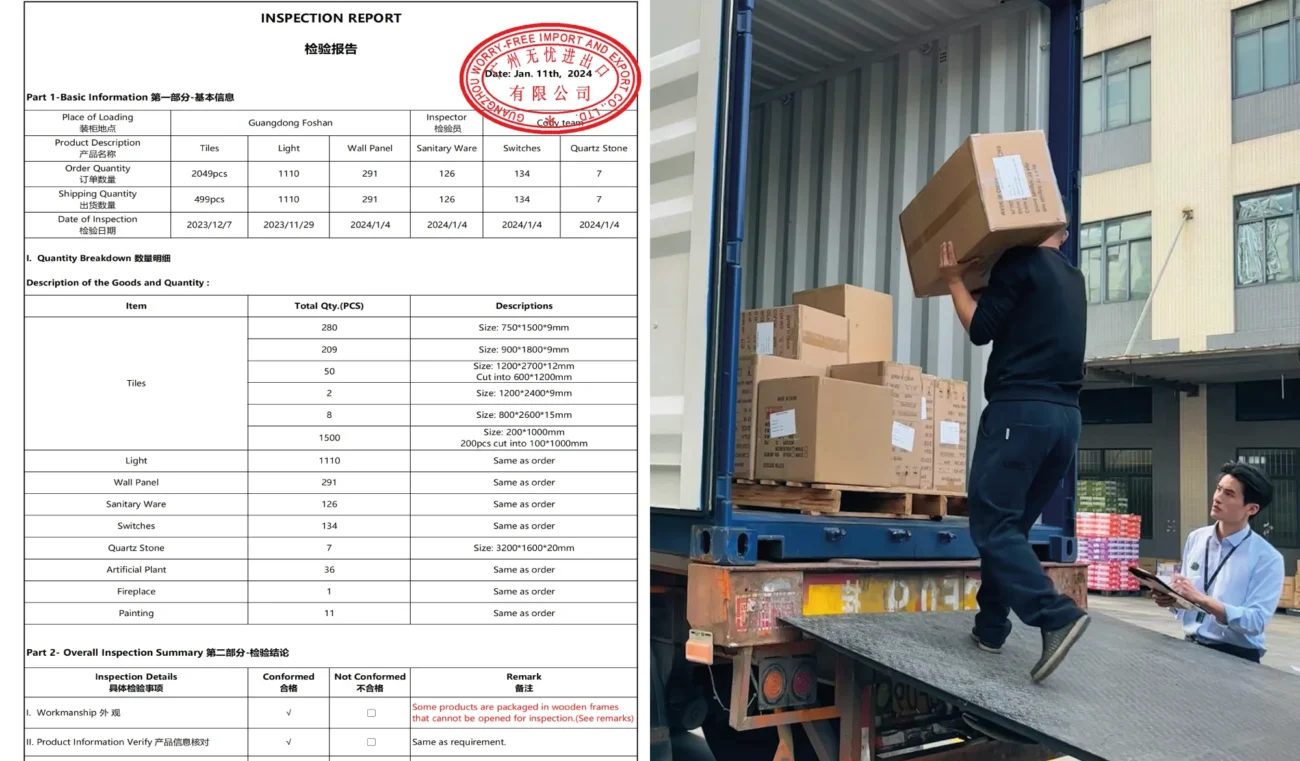
A reliable sourcing process should include quality checks before shipment.
Inspection can help identify issues such as:
- inconsistent finishing;
- incorrect specifications;
- packaging problems;
- quantity differences.
For more information, buyers can also read:
🔗Kitchenware Quality Inspection in China: Avoid Quality Problems Before Shipment
和
🔗How to Verify Kitchenware Suppliers in China Before Bulk Ordering
Material Selection Is Only One Part of Kitchenware Sourcing
Choosing the correct stainless steel grade is important, but it is only one part of a successful China sourcing project.
Importers also need to consider:
- supplier capability;
- production management;
- export experience;
- compliance requirements;
- shipment preparation.
For food-contact kitchenware, buyers should also review market-specific requirements before ordering.
Related guide:
🔗FDA and LFGB for Kitchenware Imported From China: What Buyers Need to Know
A supplier that understands both manufacturing and export requirements can help reduce risks throughout the sourcing process.
A Common Sourcing Situation: Price Difference Does Not Always Mean Quality Difference
A typical situation for overseas importers is receiving multiple quotations for similar kitchenware products.
The first reaction is often to select the lowest price.
However, after checking the specifications, buyers may find that the differences come from:
- different materials;
- different production standards;
- different quality expectations.
The best supplier is not always the cheapest supplier.
The goal is to find the right balance between:
- product quality;
- market positioning;
- production cost;
- long-term business value.
Final Thoughts: Choosing The Right Stainless Steel Kitchenware From China
For importers sourcing kitchenware from China, choosing between 304 and 316 stainless steel should be based on the product purpose and customer expectations.
304 stainless steel remains a practical choice for many everyday kitchenware products because it provides a good balance between performance and cost.
316 stainless steel can provide additional value for premium applications where higher corrosion resistance is required.
The most important step is not simply choosing the more expensive material.
It is making sure that the material specification, supplier capability and quality requirements are clearly aligned before bulk production.
A successful kitchenware sourcing project is not only about finding a factory.
It is about building a reliable supply chain that can consistently deliver the expected quality.
