


Office Furniture Purchasing Guide for Global Buyers

As companies expand globally and workplace standards continue to evolve, office furniture is no longer a simple commodity purchase. For global buyers, developers, contractors, and corporate clients, purchasing office furniture involves design coordination, functionality, ergonomics, durability, and long-term cost control.
This guide is designed to help global buyers understand how to purchase office furniture efficiently, avoid common sourcing risks, and build reliable supply chains that support modern office projects across different regions and standards.
Why Office Furniture Purchasing Requires a Strategic Approach
Office furniture directly affects productivity, comfort, and brand image. Unlike residential furniture, office furniture must meet stricter requirements in terms of durability, safety, and ergonomic performance.
Global buyers often face challenges such as inconsistent quality, incompatible standards, fragmented suppliers, and long lead times. Without a structured purchasing strategy, office furniture sourcing can easily lead to budget overruns, installation delays, and operational issues.
A well-planned purchasing process ensures that furniture solutions align with layout planning, employee needs, and long-term operational efficiency.

Key Categories of Office Furniture
Before starting the purchasing process, global buyers should clearly define the furniture categories required for their projects.
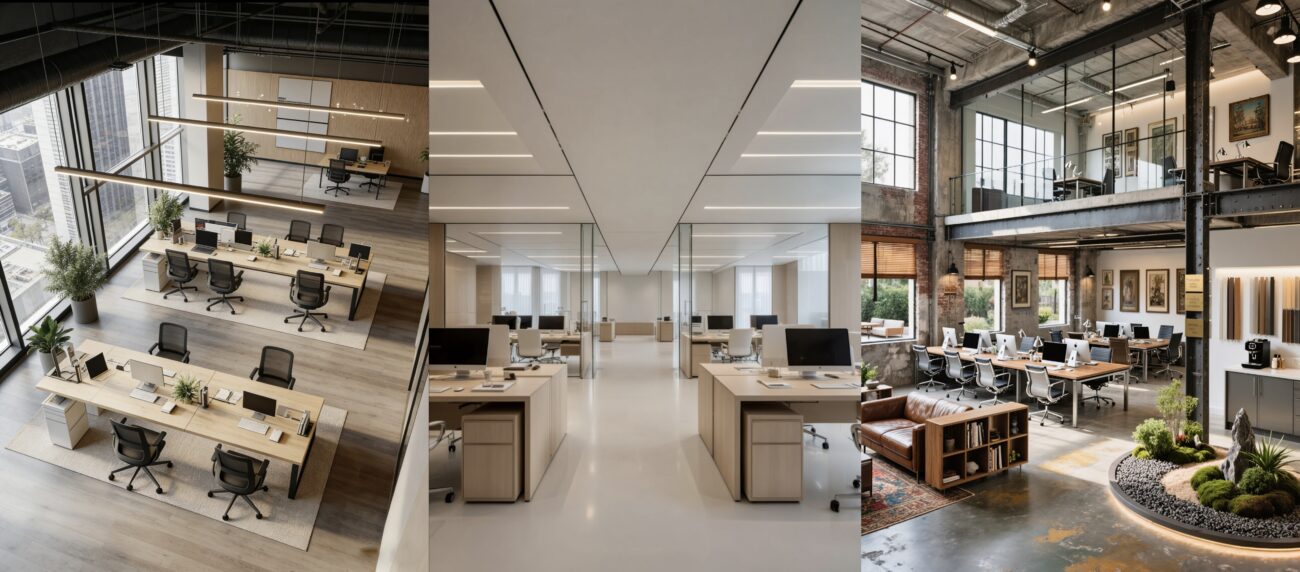
Office Workstations and Desks
This includes individual desks, benching systems, executive desks, and height-adjustable workstations. Buyers should consider size standards, cable management, material durability, and modular flexibility.
Office Chairs
Ergonomic task chairs, executive chairs, conference chairs, and visitor seating are critical for employee health and comfort. Certification, adjustability, and long-term durability should be key evaluation factors.
Storage and Filing Systems
Filing cabinets, mobile pedestals, shelving units, and integrated storage systems help maintain workplace organization and efficiency. Compatibility with desk systems is important.
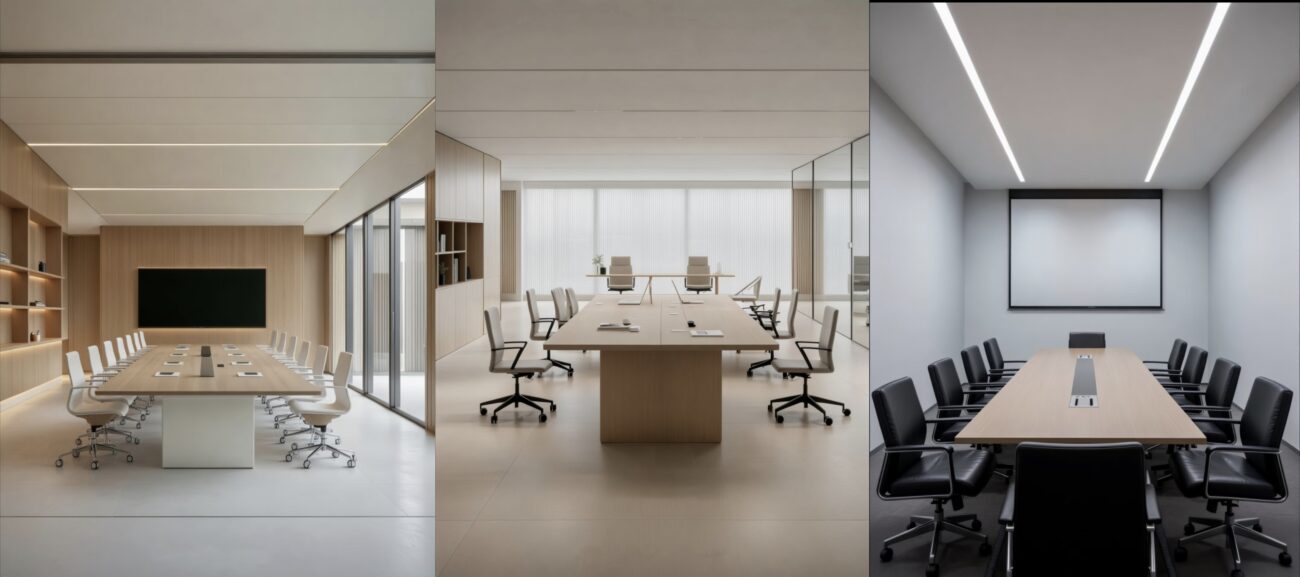
Conference and Meeting Room Furniture
Conference tables, meeting chairs, and presentation furniture should balance aesthetics with functionality, especially for client-facing environments.
Reception and Public Area Furniture
Reception desks, waiting area seating, and lounge furniture contribute to brand perception and visitor experience.

Key Considerations and Efficient Purchasing Process for Global Buyers
Successful office furniture purchasing requires buyers to evaluate products, suppliers, and execution as one coordinated system.
Global buyers should first ensure that furniture specifications align with space planning, employee usage, and local compliance requirements. Ergonomic performance, material durability, structural stability, and safety standards must be clearly defined before supplier selection.
At the same time, buyers need to consider production and execution factors, including customization capabilities, consistency across multiple office locations, production lead times, and installation coordination. Sample confirmation and mock-up testing are strongly recommended for medium to large projects to avoid misalignment between design expectations and final delivery.
An efficient purchasing process typically includes:
- Finalizing space layouts and furniture specifications
- Shortlisting manufacturers with relevant project experience
- Confirming samples, finishes, and technical details
- Coordinating production schedules and quality control
- Planning logistics, delivery, and on-site installation
By combining technical evaluation with structured execution planning, global buyers can significantly reduce sourcing risks while improving cost control and project efficiency.
Common Mistakes Global Buyers Should Avoid
Some of the most common issues in office furniture purchasing include:
- Choosing suppliers based solely on price
- Mixing too many uncoordinated manufacturers
- Ignoring ergonomic and compliance requirements
- Underestimating lead times and logistics complexity
- Skipping quality inspections before shipment
Avoiding these mistakes is essential for maintaining consistency and preventing costly delays.
Why China Plays a Key Role in Global Office Furniture Supply Chains
China is one of the world’s largest manufacturing hubs for office furniture, offering a combination of scale, customization capability, and export experience.
Chinese manufacturers produce a wide range of office furniture products, from standardized systems to fully customized solutions. Integrated supply chains allow desks, chairs, storage systems, and accessories to be coordinated efficiently, making China an attractive sourcing destination for global buyers managing complex office projects.
WHY WORK WITH WORRY-FREE FOR OFFICE FURNITURE PURCHASING
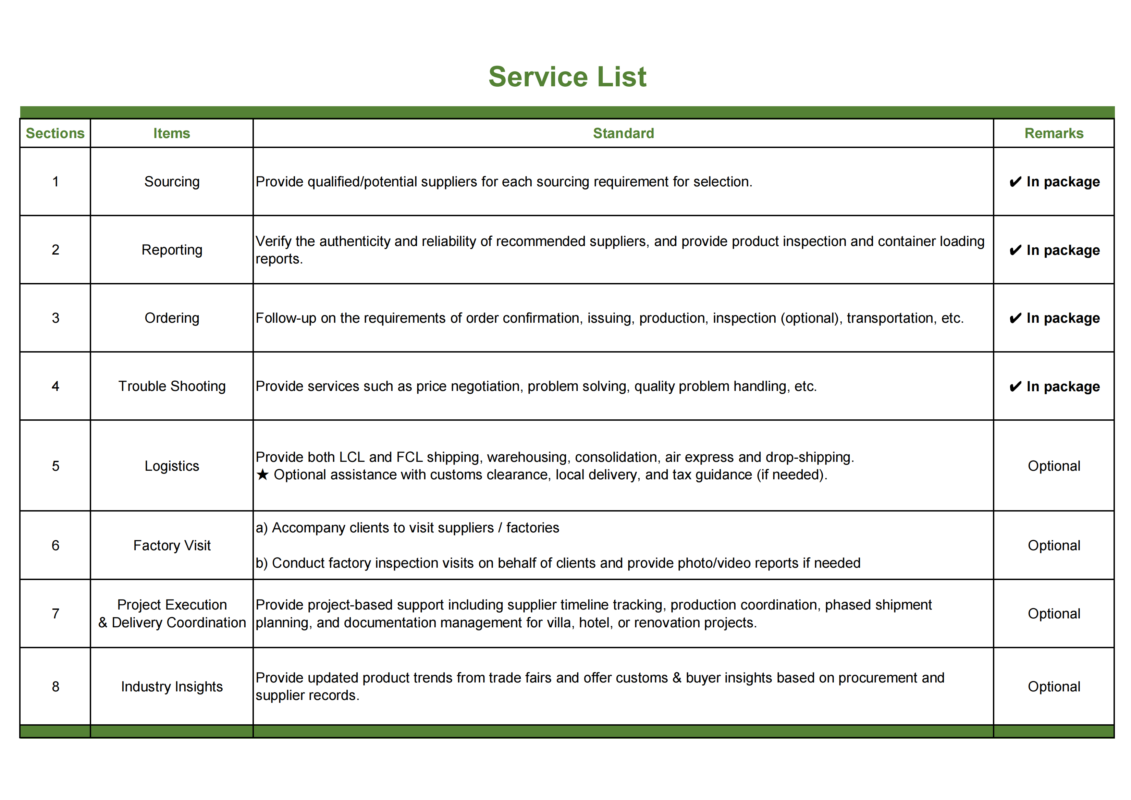
Purchasing office furniture across borders requires coordination, quality control, and clear communication. Worry-Free supports global buyers by managing the office furniture supply chain as a system, not just individual suppliers.
We help clients by:
- Identifying reliable office furniture manufacturers
- Coordinating specifications, samples, and customization
- Managing production tracking and quality inspections
- Consolidating multiple suppliers into one sourcing plan
- Supporting international logistics and project timelines
With Worry-Free, global buyers gain transparency, efficiency, and confidence throughout the office furniture purchasing process.
Final Thoughts
Office furniture purchasing is a strategic decision that affects daily operations, employee well-being, and long-term business performance. For global buyers, adopting a structured, supply-chain-driven approach is essential to achieving consistency, efficiency, and cost control.
With the right planning, partners, and execution strategy, office furniture purchasing can move beyond transactional buying and become a reliable foundation for successful office projects worldwide.

Great article! China furniture is well-known for its affordability and wide variety of designs. It’s impressive how manufacturers offer everything from modern to traditional styles while maintaining competitive pricing for global buyers.