


FDA and LFGB for Kitchenware Imported From China: What Buyers Need to Know

Importing kitchenware from China can create significant opportunities for brands, retailers and distributors, but understanding FDA LFGB kitchenware requirements is essential before placing bulk orders.
China offers a wide range of kitchenware manufacturing capabilities, from stainless steel cookware and silicone utensils to plastic storage products, ceramic tableware and private label kitchen collections.
However, the biggest challenge is not finding a supplier.
The real challenge is making sure the products can meet the compliance expectations of the target market.
A supplier may provide:
- attractive pricing;
- professional product photos;
- factory certificates;
- previous export experience.
But before placing a large order, buyers need to understand a more important question:
Can this product legally and safely enter my market?
This is where kitchenware compliance China becomes critical.
Compliance is not only about receiving a certificate from a supplier.
It is about confirming:
- the material is suitable;
- the testing matches the product;
- the documentation is reliable;
- the production process can maintain consistency.
For buyers who are still selecting suppliers, also read:
🔗How to Verify Kitchenware Suppliers in China Before Bulk Ordering

Why FDA and LFGB Matter When Importing Kitchenware From China
Many overseas buyers first hear about FDA or LFGB when a supplier sends a quotation with testing documents.
However, the common misunderstanding is:
“Having FDA or LFGB means the product is automatically approved.”
In reality, compliance depends on many factors:
- product material;
- intended use;
- food contact area;
- testing scope;
- destination market.
A stainless steel pan, silicone spatula and plastic storage container may all be kitchenware products, but they do not necessarily require the same evaluation process.
Professional buyers do not only ask:
“Do you have FDA?”
They ask:
“Does this document match my exact product?”
FDA Requirements: What Kitchenware Buyers Should Understand
For US buyers, FDA-related requirements are often misunderstood.
Many suppliers use phrases like:
“FDA approved.”
However, kitchenware products are usually evaluated based on the materials and substances that may come into contact with food.
The important questions are:
What material is used?
Is the material suitable for food contact?
Does the product require migration testing?
Does the testing match the final application?
For example:
A silicone kitchen tool used for cooking.
A plastic food storage container.
A non-stick cookware product.
These products may involve different material considerations.
FDA food contact requirements focus on whether substances that contact food are safe for their intended use.
🔗FDA Food Contact Materials Information
The biggest mistake buyers make is asking for a general “FDA certificate” without understanding what exactly has been tested.
LFGB Requirements: Why German Buyers Often Ask For More
LFGB is commonly requested by buyers selling into Germany and some European markets.
Many Chinese suppliers understand LFGB as a simple testing report.
However, experienced buyers understand that LFGB-related compliance is connected with food contact safety and migration risks.
Different products may require different testing considerations.
For example:
Silicone Kitchenware
Common concerns:
- odor;
- migration;
- material safety;
- temperature resistance.
Plastic Kitchenware
Common concerns:
- additives;
- migration;
- chemical safety.
Ceramic Kitchenware
Common concerns:
- glaze safety;
- heavy metals;
- surface quality.
For European markets, food contact materials are regulated under the EU framework requiring materials not to release harmful substances into food.
🔗EU Food Contact Materials Regulation
This is why a professional supplier should understand not only production, but also the destination market requirements.
Certificates Are Important, But They Are Not Enough
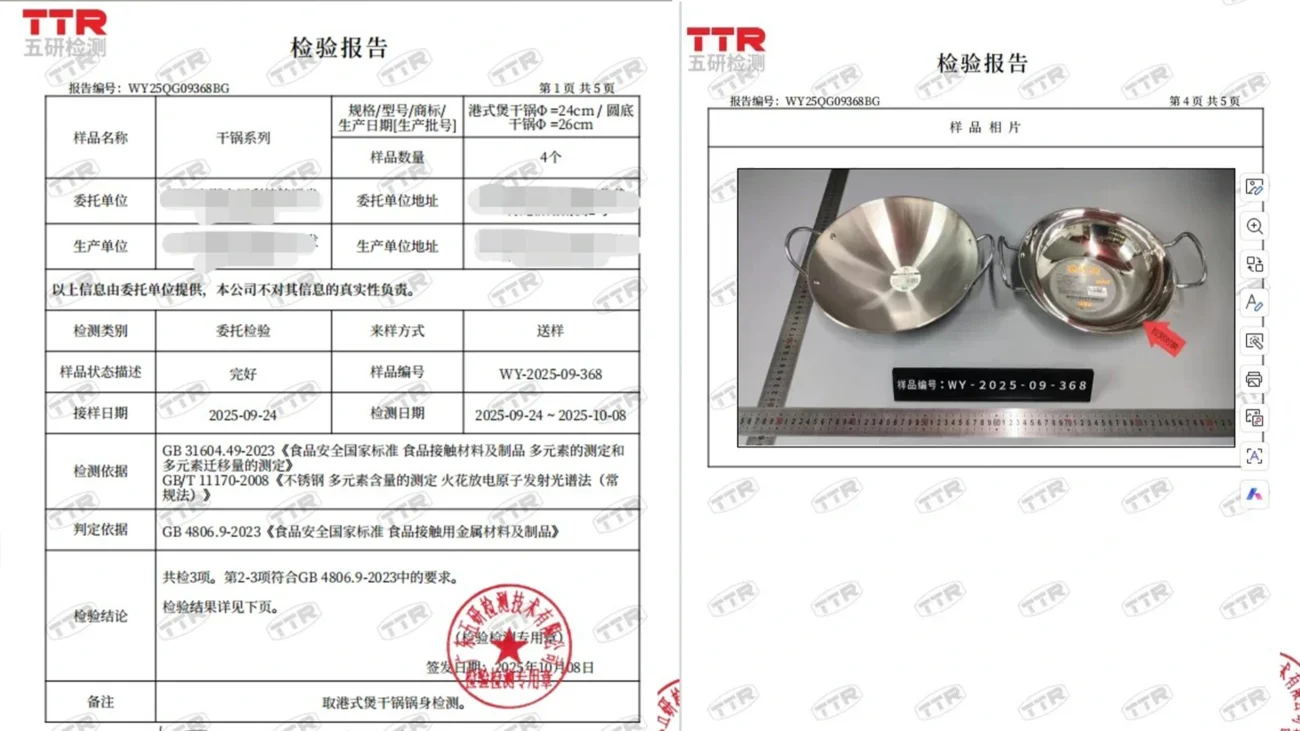
Professional buyers review FDA LFGB kitchenware requirements together with material specifications, test reports and supplier documents instead of checking certificates alone.
One of the biggest sourcing mistakes is treating certificates as the final answer.
A supplier may provide:
- FDA report;
- LFGB report;
- test certificate;
- factory declaration.
But buyers should still verify:
Does the report belong to this supplier?
Does the product description match the actual product?
Is the tested material the same material used in production?
Is the testing laboratory reliable?
Does the production batch follow the approved sample?
A certificate proves a product was tested under certain conditions.
It does not automatically guarantee every future production batch will remain identical.
This is why quality control and supplier verification must work together.
Related reading:
🔗Kitchenware Quality Inspection in China: Avoid Quality Problems Before Shipment
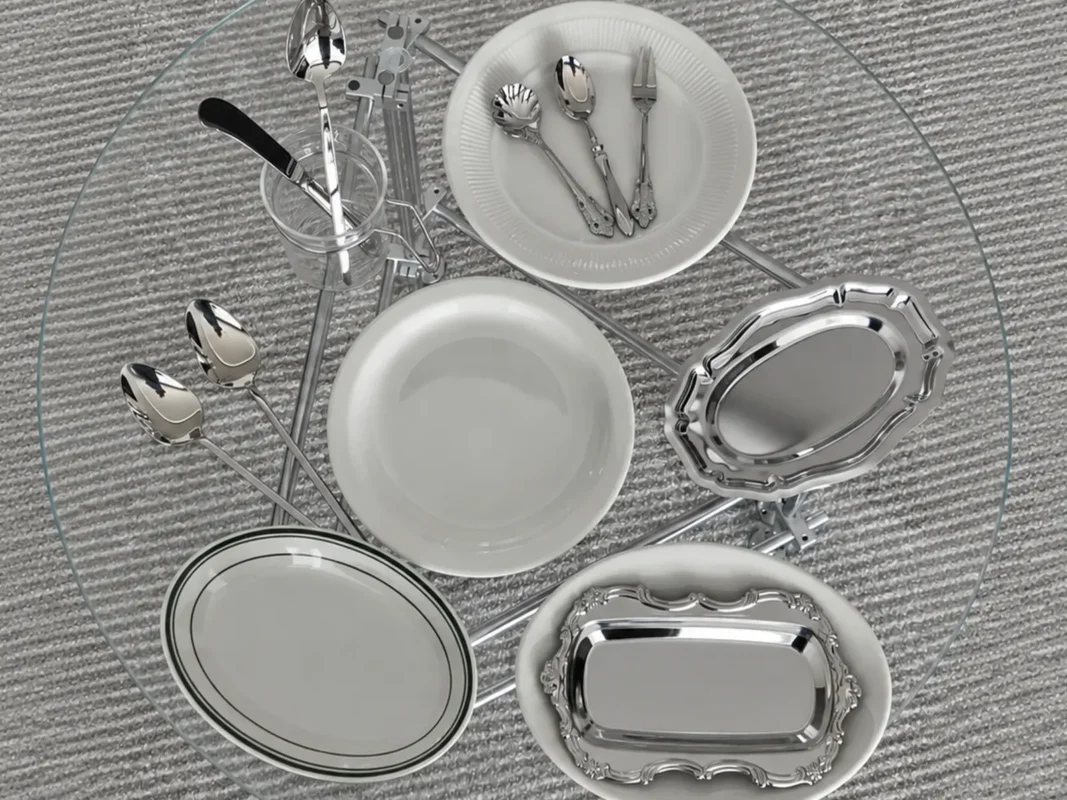
Material Selection Is The First Step Of Compliance
Many compliance problems start before production.
They start when the wrong material is selected.
For example:
A brand wants premium silicone kitchen tools.
The supplier offers a cheaper alternative.
The appearance looks similar.
But the material performance may be different.
A cookware brand wants a premium stainless steel collection.
The supplier changes thickness or material composition to reduce cost.
The product still looks acceptable.
But customer experience changes.
This is why professional sourcing starts with material confirmation.
Before production, buyers should confirm:
- material specifications;
- product drawings;
- approved samples;
- packaging requirements;
- testing expectations.
Real Purchasing Scenario: When A Certificate Was Not Enough
A common sourcing situation:
A European kitchenware brand contacted a Chinese supplier for a private label product line.
The supplier provided:
- product photos;
- quotation;
- testing documents.
At first, everything looked acceptable.
However, during supplier verification, the buyer discovered:
The test report covered a similar product.
The material description was incomplete.
The packaging requirements were not included.
The solution was not finding another supplier immediately.
The solution was improving the communication process:
confirming materials;
approving samples;
matching documents with products;
and adding production inspection.
The lesson:
Compliance problems usually happen because information is incomplete, not because suppliers always ignore requirements.
How Brands Should Verify Kitchenware Suppliers Before Bulk Orders
A reliable sourcing process connects three areas:
Product
Does the product match the market?
Supplier
Can the factory produce consistently?
Documentation
Can the compliance information be verified?
The best suppliers usually communicate clearly about:
- materials;
- production processes;
- testing;
- packaging;
- export experience.
Suppliers that only focus on price often create more risks later.
Private Label Kitchenware Requires Stronger Compliance Control
For private label brands, compliance becomes even more important.
A brand is not only buying products.
It is building a reputation.
Private label projects usually involve:
- customized colors;
- packaging design;
- product combinations;
- brand positioning.
A small quality problem can affect:
customer reviews;
repeat orders;
brand trust.
For brands developing their own product lines:
🔗OEM Kitchenware Manufacturing in China: Private Label Guide for Global Brands
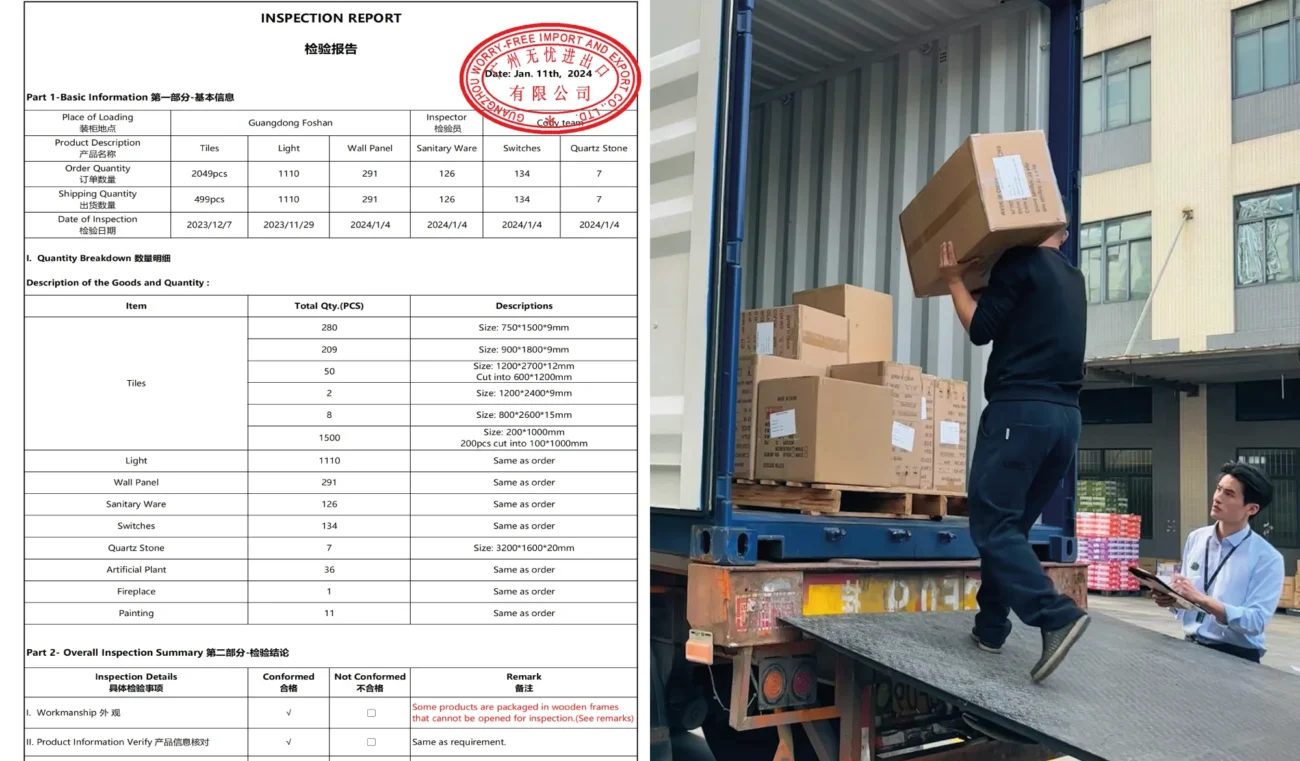
How A China Sourcing Team Helps Reduce Compliance Risks
For overseas buyers, the biggest challenge is often communication.
A sourcing team helps connect:
customer requirements;
factory capability;
testing expectations;
quality control;
and shipment preparation.
The value is not simply finding a cheaper supplier.
The value is reducing uncertainty before money is invested.
A professional sourcing process helps buyers:
understand factories;
compare suppliers;
confirm samples;
follow production;
and solve problems before shipment.
Common Mistakes Buyers Make With Kitchenware Compliance
The first mistake is asking for certificates before defining the product.
The second mistake is assuming all kitchenware products follow the same rules.
The third mistake is approving samples without confirming production standards.
The fourth mistake is choosing suppliers only based on price.
The fifth mistake is ignoring documentation until shipment preparation.
Compliance should be considered from the beginning of the sourcing process.
Final Thoughts
FDA and LFGB requirements are not obstacles to importing kitchenware from China.
They are tools that help buyers reduce risk.
The best suppliers are not only factories with competitive prices.
They are partners who understand:
materials;
production;
quality control;
and international market expectations.
Successful kitchenware sourcing is not about finding the cheapest product.
It is about building a reliable supply chain that can support long-term growth.
