


How to Buy Custom Doors and Windows from China: Sizes, Glass, Hardware and Installation Details

Custom doors and windows from China are a popular choice for overseas villa, hotel, apartment and commercial projects.
China offers many options for aluminum windows, sliding doors, folding doors, interior doors, glass doors, wooden doors and customized window systems. Buyers can often find competitive pricing, flexible customization and a wide range of materials and designs.
However, buying custom doors and windows from China is different from buying standard products. These products require accurate measurements, clear specifications, proper glass selection, reliable hardware, packaging protection and installation coordination.
If any detail is wrong, the problem may only appear after the goods arrive at the project site.
This guide explains what overseas buyers should check before ordering custom doors and windows from China.
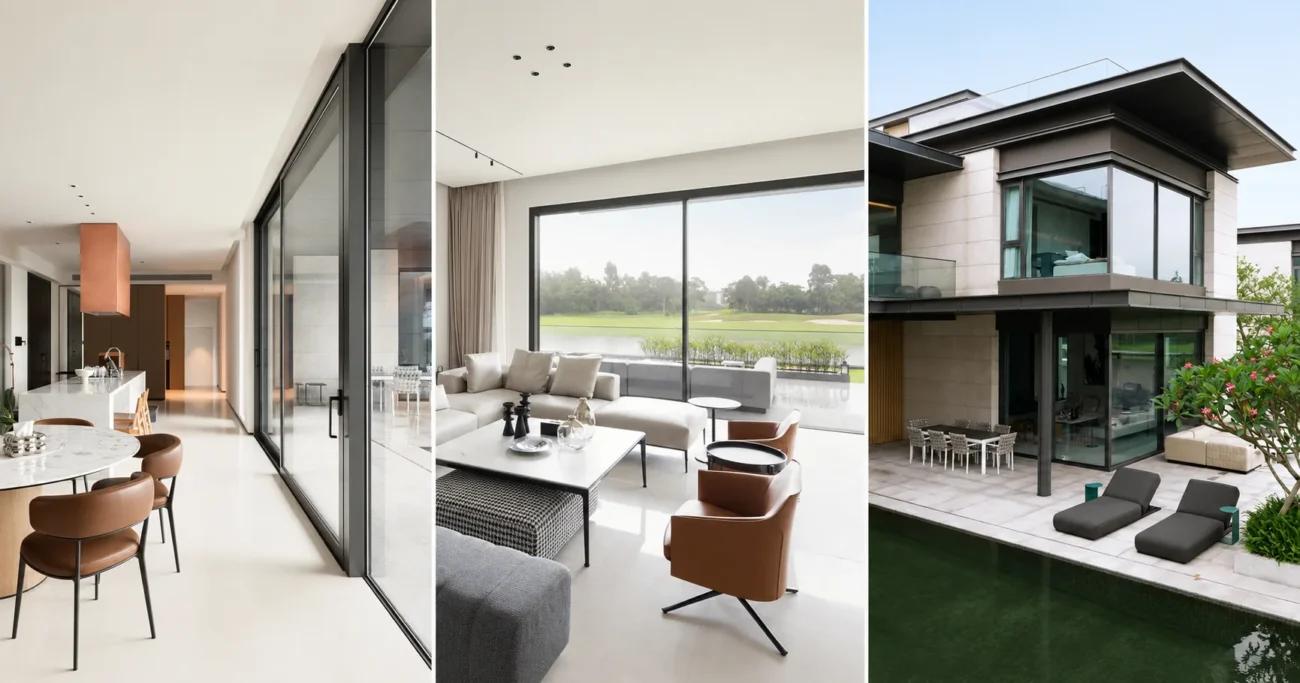
Why Custom Doors and Windows Require Careful Planning
Doors and windows are highly project-specific products.
Unlike loose furniture or standard decoration items, doors and windows must match the building structure, wall openings, installation method and local site conditions.
Common risks include:
- Wrong size
- Wrong opening direction
- Wrong glass type
- Poor hardware quality
- Weak sealing performance
- Color mismatch
- Missing accessories
- Poor packaging
- Installation difficulty
- Damage during shipping
For overseas buyers, these mistakes can be expensive because replacement and local modification may take time and cost more after the goods arrive.
This is why buyers should confirm all important details before production.
What Types of Doors and Windows Can You Source from China?
China offers many door and window options for residential and commercial projects.
Common products include:
- Aluminum windows
- Sliding windows
- Casement windows
- Sliding doors
- Folding doors
- Glass doors
- Interior wooden doors
- Entry doors
- Bathroom doors
- Balcony doors
- Partition doors
- Customized doors and windows
Different projects require different product types. A villa may need aluminum windows, sliding doors and interior wooden doors. A hotel may need room doors, bathroom doors and balcony doors. A commercial project may need glass doors, partitions and large opening systems.
Before sourcing, buyers should clearly define the product type and project use.
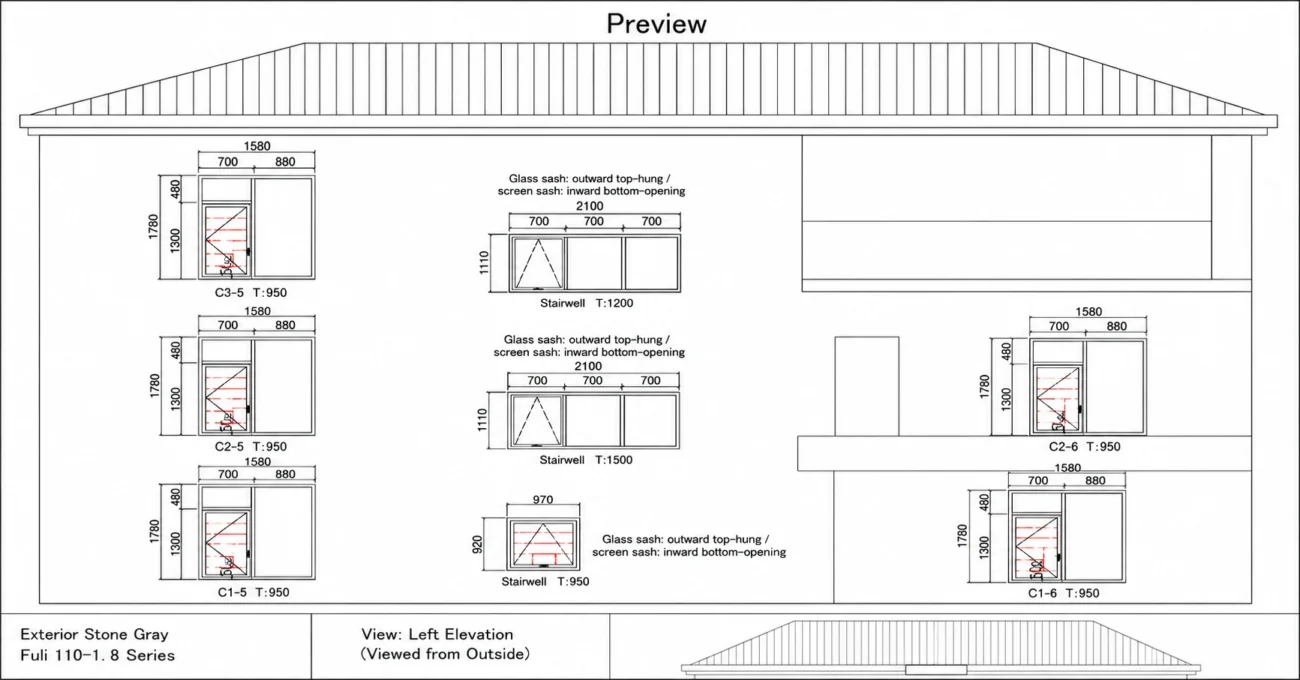
1. Confirm Accurate Sizes Before Production
Size confirmation is the most important step when buying custom doors and windows from China.
Buyers should prepare accurate measurements, drawings or a door and window schedule before requesting quotations.
Important size details include:
- Width
- Height
- Wall opening size
- Frame size
- Glass size
- Installation gap
- Wall thickness
- Quantity per size
- Room or location number
For customized doors and windows, small measurement mistakes can create serious installation problems.
If possible, buyers should ask their local contractor or installer to confirm the final site measurements before production starts.
2. Confirm Opening Direction and Installation Method
Opening direction is another common source of mistakes.
Before production, buyers should confirm whether each door or window opens inward, outward, left, right, sliding, folding or fixed.
Important installation details include:
- Opening direction
- Handle position
- Hinge side
- Sliding track direction
- Wall fixing method
- Frame installation method
- Drainage direction
- Threshold details
- Site installation requirements
These details should be confirmed with drawings or clear diagrams, not only through text messages.
For project orders, a simple misunderstanding can affect many units at the same time.
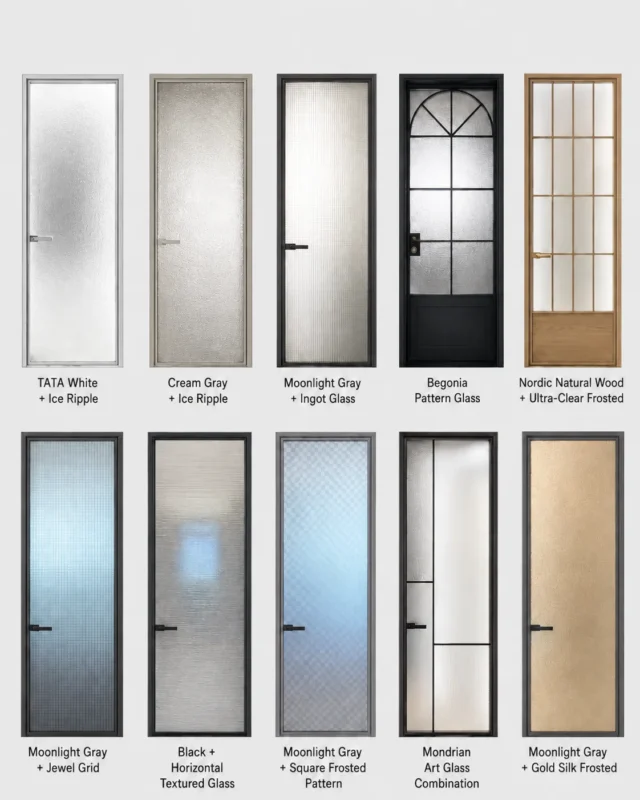
3. Choose the Right Glass Type
Glass selection affects safety, insulation, sound control and overall product performance.
Common glass options include:
- Clear glass
- Tempered glass
- Laminated glass
- Double glazing
- Low-E glass
- Frosted glass
- Tinted glass
- Soundproof glass
For villas and hotels, buyers may care about sound insulation, heat insulation and safety. For commercial projects, buyers may need stronger glass or special safety requirements.
Before ordering, buyers should confirm the glass thickness, glass structure and whether the glass type matches local building or safety requirements.
4. Check Frame Material and Profile Details
The frame material affects strength, durability, appearance and cost.
Common frame materials include:
- Aluminum
- Thermal break aluminum
- Wood
- Aluminum-wood composite
- uPVC
- Steel
For aluminum doors and windows, buyers should check profile thickness, surface finish, color, coating quality and structural strength.
For high-end villa or hotel projects, thermal break aluminum may be used when better insulation performance is required.
Buyers should not compare prices without checking frame material and profile details, because similar-looking windows may use very different materials.
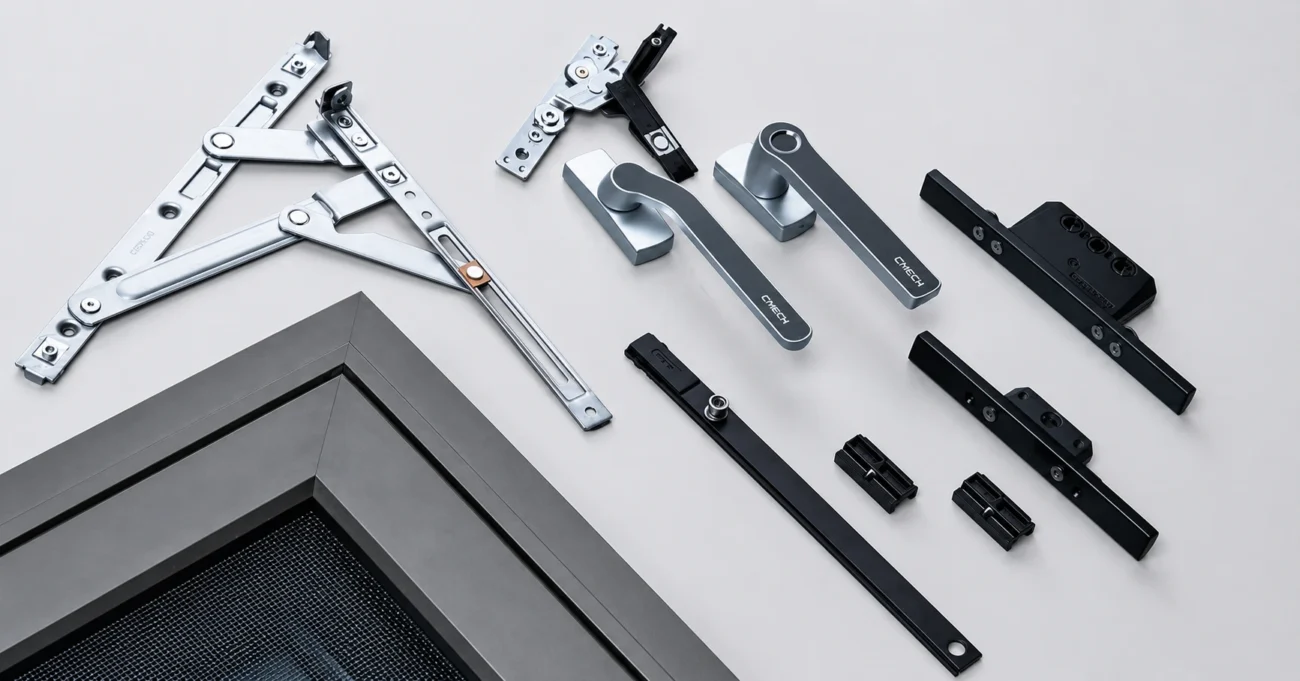
5. Pay Attention to Hardware Quality
Hardware is a key part of door and window performance.
Poor hardware can cause difficult opening, noise, weak locking, water leakage or short service life.
Important hardware includes:
- Handles
- Hinges
- Locks
- Rollers
- Sliding tracks
- Sealing strips
- Screws
- Corner connectors
- Drainage parts
- Installation accessories
Before placing an order, buyers should confirm the hardware brand, material, finish and replacement availability.
For sliding doors and folding doors, rollers and tracks are especially important because they directly affect smooth movement and long-term use.
6. Confirm Color, Finish and Design Details
Doors and windows are visible parts of the building, so color and finish should match the design.
Buyers should confirm:
- Frame color
- Wood color
- Surface finish
- Glass color
- Handle color
- Hardware finish
- Interior and exterior color options
- Design style
- Sample or color swatch if possible
Photos may look different under different lighting conditions, so physical samples or color swatches are useful for important projects.
For large orders, color consistency should be confirmed before mass production.
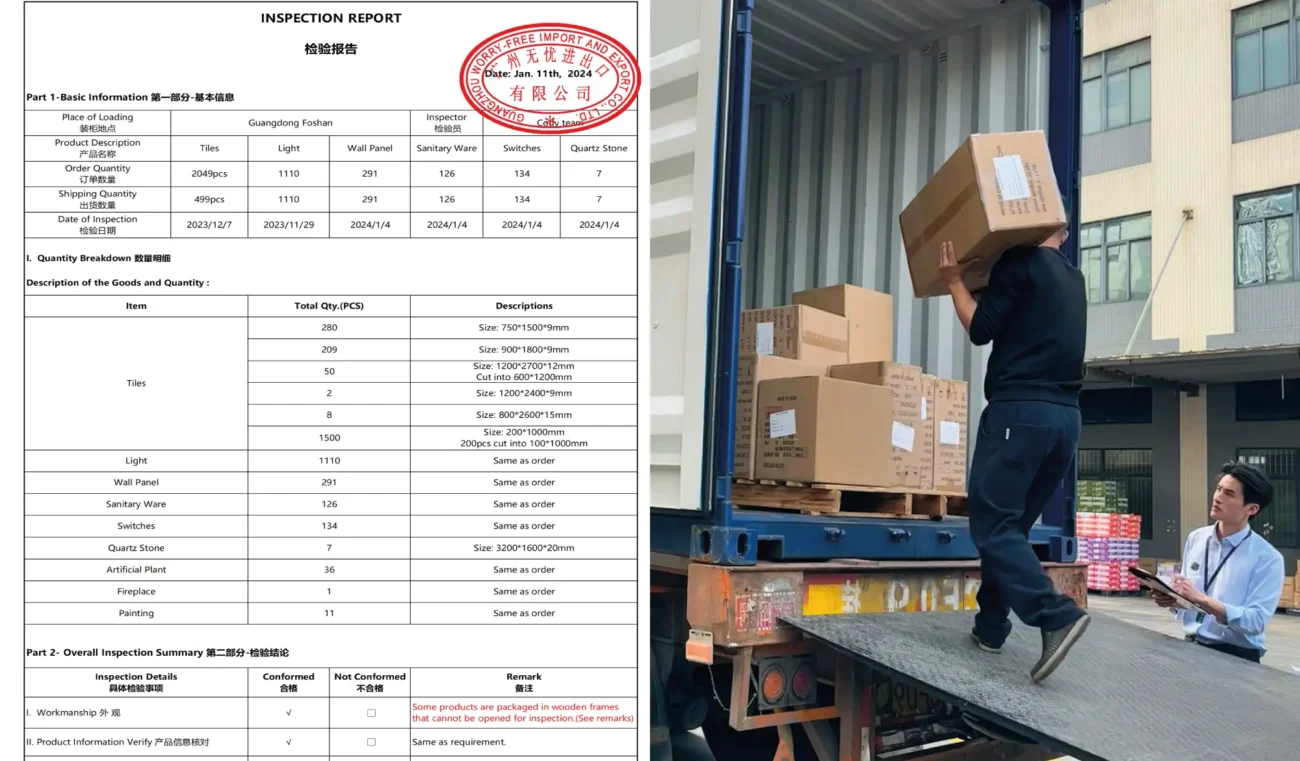
7. Check Quality Before Shipping
Before custom doors and windows leave China, buyers should arrange inspection when possible.
Pre-shipment inspection may include:
- Quantity checking
- Size checking
- Model checking
- Frame appearance checking
- Glass checking
- Hardware checking
- Color checking
- Packaging checking
- Label checking
- Accessory checking
Inspection helps reduce visible and manageable risks before shipment.
However, visual inspection cannot replace professional laboratory testing or local building compliance review. If the project requires specific performance standards, buyers should confirm testing documents and local requirements before ordering.
8. Confirm Packaging and Shipping Protection
Doors and windows can be damaged during transportation if packaging is not strong enough.
Packaging is especially important for glass, large frames, sliding doors and customized window systems.
Buyers should check:
- Carton or wooden frame protection
- Corner protection
- Glass protection
- Foam or soft material protection
- Hardware packaging
- Labels and marks
- Loading direction
- Whether wooden crates are needed
- Whether products will be consolidated with other building materials
For international shipping, export packaging should be confirmed before loading.
If the order includes other products such as furniture, tiles, lighting or sanitary ware, warehouse consolidation and container loading planning are also important.
9. Confirm Local Installation Requirements
Chinese suppliers can usually provide product drawings, installation instructions or videos, but the actual installation is usually handled by the buyer’s local contractor.
Before ordering, buyers should confirm local installation requirements, including:
- Wall opening conditions
- Building structure
- Local installation method
- Required accessories
- Local building standards
- Waterproofing requirements
- Drainage requirements
- Site measurement confirmation
This step is very important because products that are correct from the factory may still create problems if they do not match local site conditions.
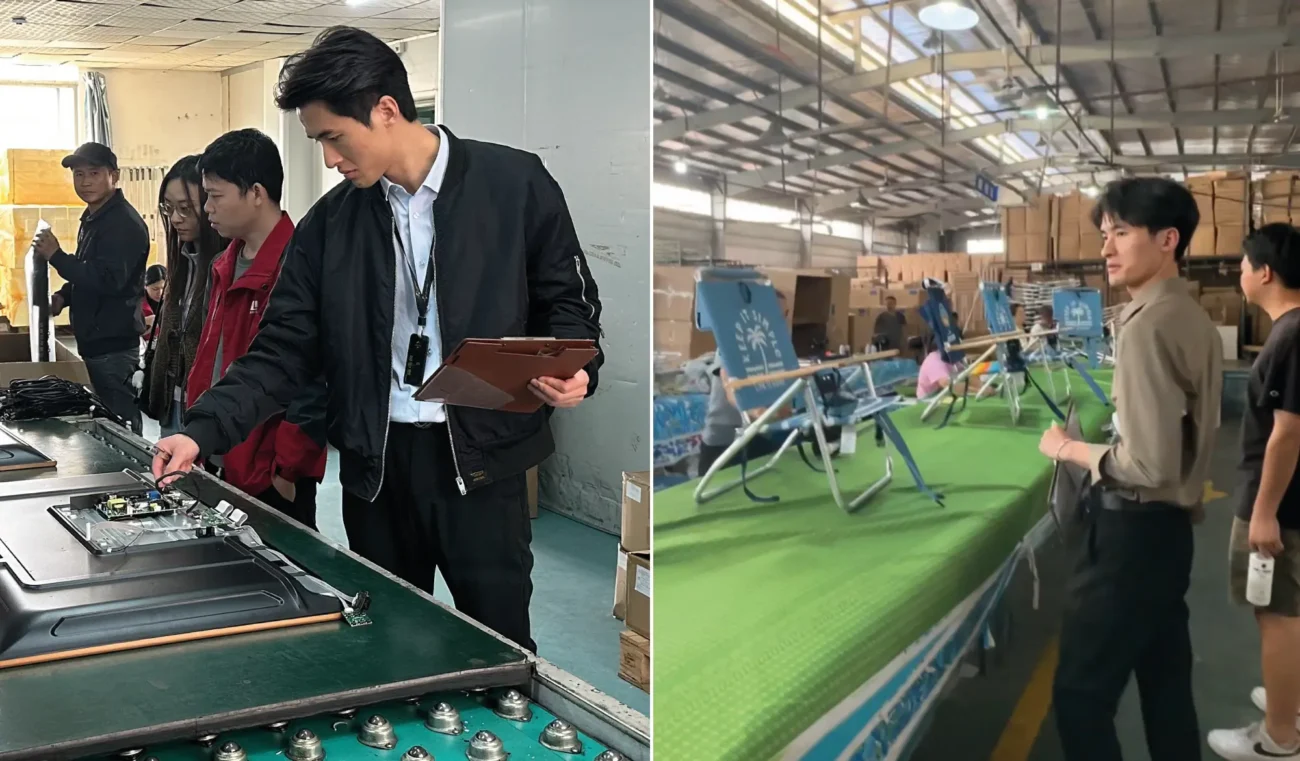
10. Work with a China-Based Supply Chain Team
For simple standard products, buyers may communicate directly with suppliers.
But for custom doors and windows, especially for villa, hotel, apartment or commercial projects, a China-based supply chain team can help reduce mistakes.
A supply chain team can help with:
- Supplier comparison
- Drawing and size review
- Specification confirmation
- Glass and hardware checking
- Production follow-up
- فحص الجودة
- Packaging review
- Warehouse consolidation
- Container loading supervision
- Shipping coordination
The value is not only finding door and window suppliers. The real value is helping buyers manage the China-side process before goods leave China.
Common Mistakes When Buying Custom Doors and Windows from China
Overseas buyers should avoid these common mistakes:
- Ordering without final measurements
- Not confirming opening direction
- Choosing glass only by appearance
- Comparing prices without checking frame material
- Ignoring hardware quality
- Not confirming installation details
- Skipping pre-shipment inspection
- Ignoring packaging protection
- Not checking local building requirements
- Managing too many suppliers without coordination
Most of these problems can be reduced by preparing drawings, confirming specifications and inspecting goods before shipment.
Final Thoughts
Buying custom doors and windows from China can be a good option for overseas villa, hotel, apartment and commercial projects.
China offers strong customization ability, many supplier options and competitive pricing. But successful sourcing requires careful confirmation of sizes, glass, hardware, installation details, quality, packaging and shipping.
For overseas project buyers, the goal is not only to find a supplier. The goal is to make sure the products are correctly specified, properly produced, inspected, packed and shipped before they leave China.
