


Tile Quality Control in China: How to Check Shade, Caliber, Flatness, Water Absorption and Packing

Tile quality control in China should happen before the container leaves the factory or export warehouse.
A tile order can look perfect in a quotation. The sample can look good in photos. The supplier may also say the goods are ready for shipment.
But the real risk often appears later.
When tiles arrive at the project site, buyers may find shade differences, mixed calibers, curved large-format tiles, wrong product body, weak cartons, missing labels or broken pallets. At that point, the problem is no longer easy to solve. Replacement may take weeks. Installation may stop. The buyer may need to pay extra local labor, storage or re-shipping cost.
That is why tile quality control is not only about finding broken tiles.
It is about preventing installation problems before shipment.
This guide explains how global buyers can check shade, caliber, flatness, water absorption and packing when sourcing tiles from China, especially for villas, hotels, restaurants and commercial projects.
For quotation-stage checks, read 🔗How to Read a China Tile Quotation: Size, Thickness, Finish, Grade, MOQ and Packing. For broader sourcing background, read 🔗Foshan Tile Market Guide: How Global Buyers Source Tiles from China.
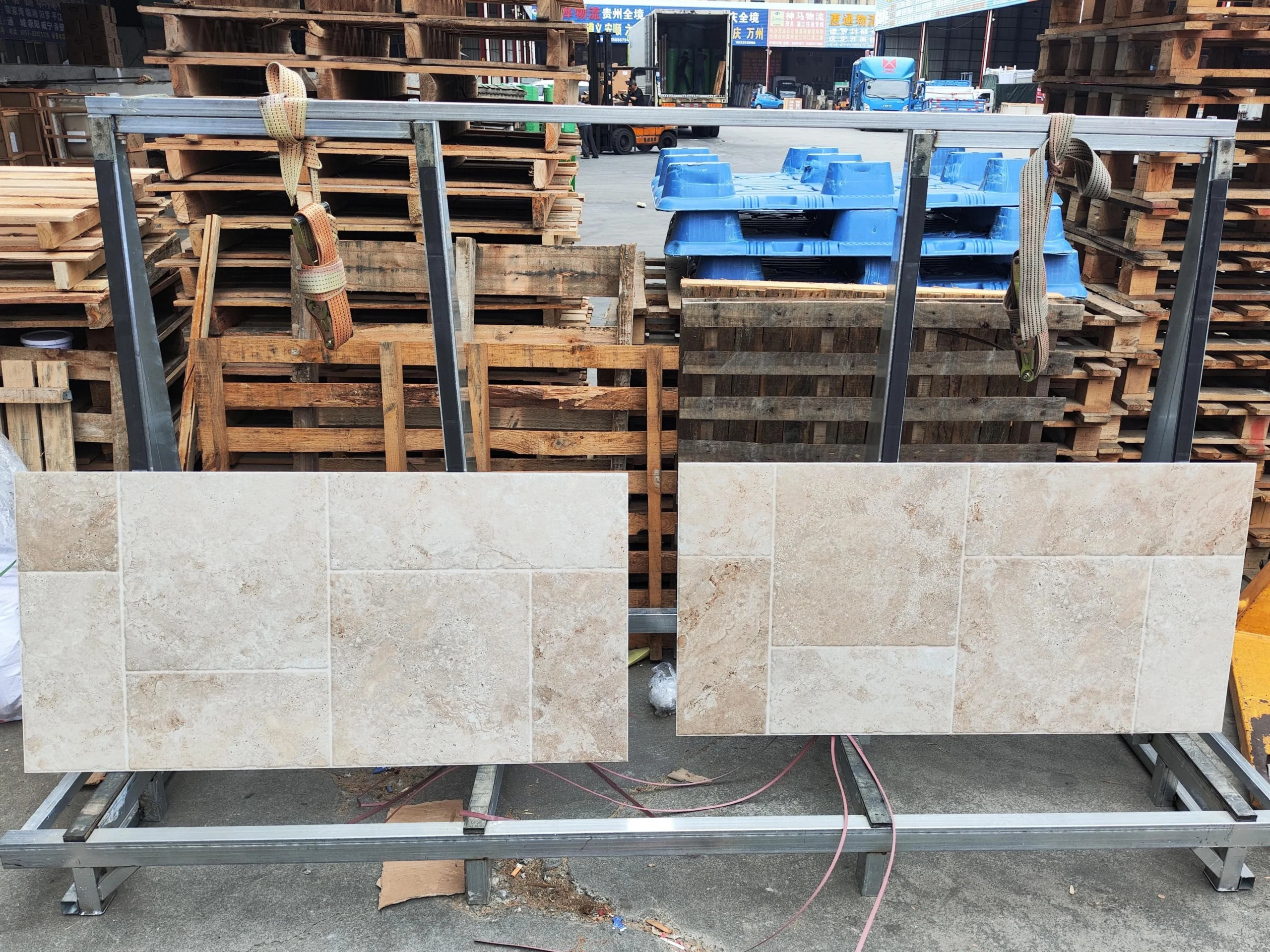
Why Tile Quality Control Should Happen Before Shipment
Many buyers think tile inspection means checking whether the surface is scratched or whether the cartons are damaged.
Those checks matter, but they are not enough.
For real projects, the most expensive problems are often not visible from one random photo. The risk may be hidden in batch color, actual size grouping, flatness, tile body, packing strength or loading method.
A villa floor can look uneven if large-format tiles are not flat enough. A hotel bathroom can look inconsistent if different shades are mixed together. A restaurant floor can create complaints if the selected finish does not match cleaning and traffic requirements. A mixed container can arrive with broken cartons if heavy tiles were not packed and loaded properly.
The purpose of tile quality control is to find these risks while the goods are still in China.
At that stage, buyers still have options. They can compare with the approved sample, ask the supplier to separate batches, improve packing, replace broken cartons, add labels or delay shipment until the issue is clear.
Once the goods arrive overseas, the same issue becomes slower and more expensive.
| QC Item | Why It Matters | Real Project Risk |
|---|---|---|
| Shade | Controls color consistency between batches | Different areas may look like different colors after installation |
| Caliber | Controls actual size grouping | Tile joints may become uneven if mixed calibers are installed together |
| Flatness | Affects wall and floor installation | Lippage, poor visual effect or installer complaints |
| Water Absorption | Shows whether the tile body matches the use area | Wrong tile type may cause performance issues in wet or outdoor areas |
| Packing | Protects tiles during shipping and loading | Breakage, crushed cartons, missing labels or installation delays |
A table can show the main points, but in real sourcing, each item should be connected to the project area.
A hotel corridor, villa living room, bathroom wall and outdoor terrace should not be checked with the same level of attention.
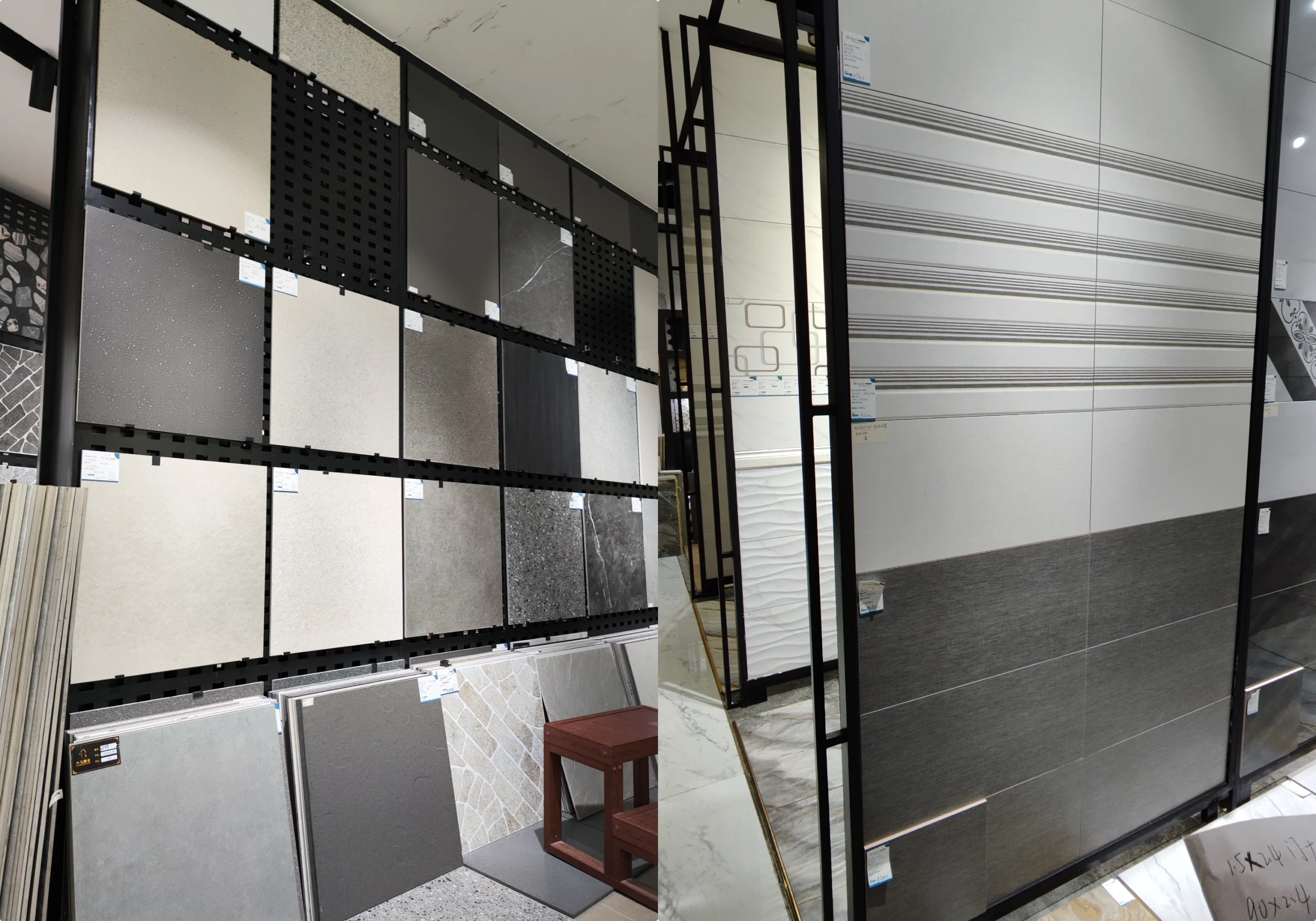
Shade: Why Color Batch Matters After Installation
Shade is one of the first things buyers should check before shipment.
In tile production, the same model can have small color differences between different production batches. This is common in ceramic and porcelain tiles because kiln conditions, glaze, raw materials and production timing can all affect the final tone.
A small difference in the warehouse may look acceptable.
But after installation, the same difference can become obvious.
Tiles are installed side by side across a large area. A slight shade difference can become visible on a villa living room floor, hotel bathroom wall or restaurant dining area. If different shades are mixed in the same installation area, the result may look like two different products.
This is especially risky for marble-look tiles, stone-look tiles, large-format tiles and hotel project tiles.
For hotel projects, shade control is even more important because the same tile may be used across many bathrooms or public areas. If different rooms receive different shades without planning, the hotel may face complaints after installation.
A good inspection should compare bulk tiles with the approved sample and check the shade code or batch marking on cartons.
The goal is not to demand impossible perfection.
The goal is to avoid mixing visibly different shades in the same project area.
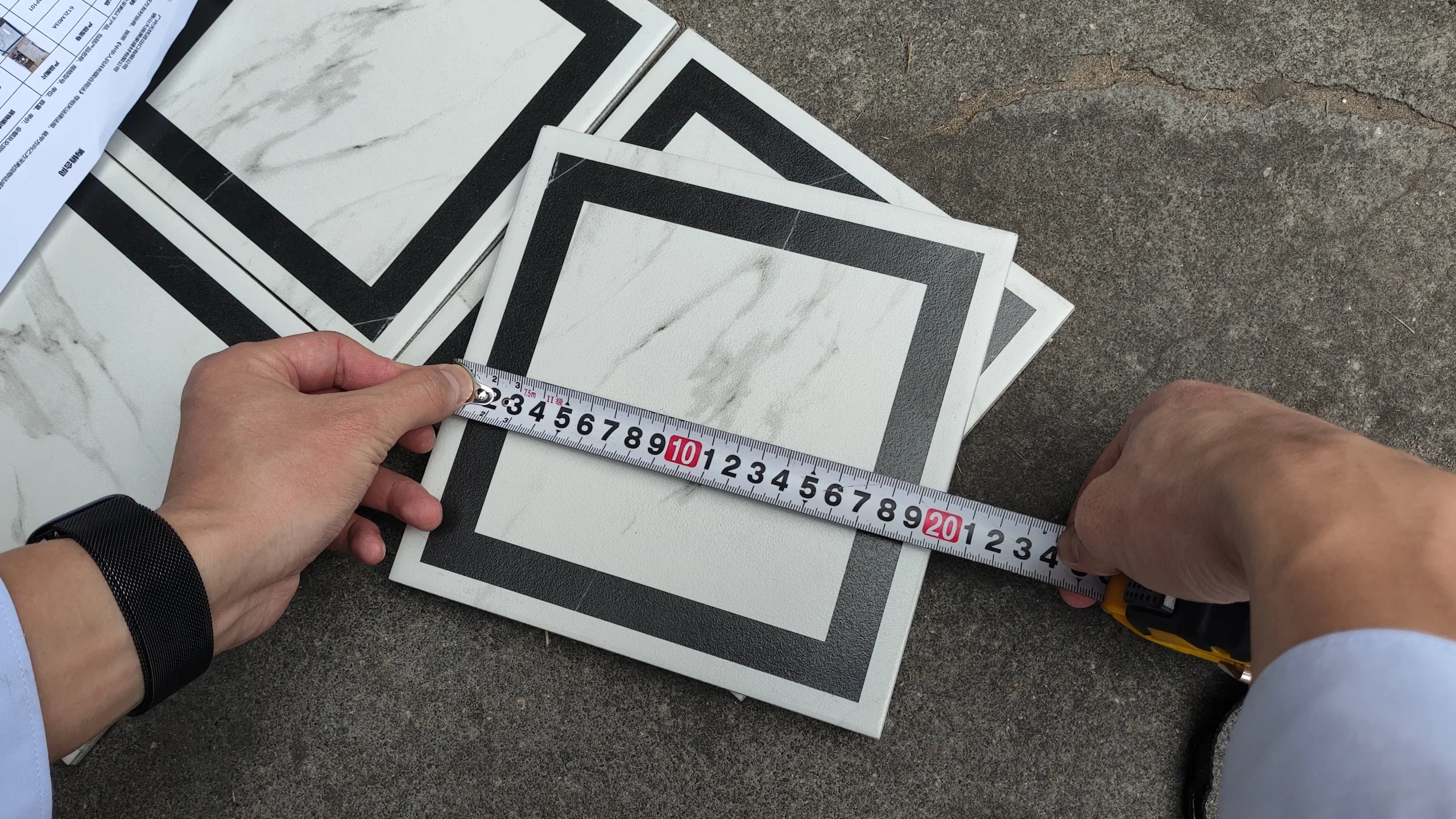
Caliber: Why the Same Nominal Size May Not Install the Same Way
Caliber is a professional word that many overseas buyers do not notice at first.
A buyer may see a quotation that says 600x1200mm and assume every tile piece is exactly the same size.
In reality, fired ceramic products can have small dimensional differences. Factories often group tiles by caliber so that pieces with similar actual dimensions are packed and installed together.
This matters because tile installation depends on consistency.
If different calibers are mixed in the same area, the installer may struggle to keep joint lines even. Narrow-joint installation becomes more difficult. The final floor or wall may look less clean, even if the tile surface itself is acceptable.
Caliber control is especially important for large floors, hotel corridors, bathroom walls and projects where buyers want a more premium finish with tighter grout lines.
A proper inspection should check carton labels, actual size grouping and whether different calibers are mixed in the same shipment.
For project orders, it is better to keep one installation area within the same shade and caliber whenever possible.
That is why tile quality control should not only look at the surface.
It should also check whether the shipment can be installed cleanly.
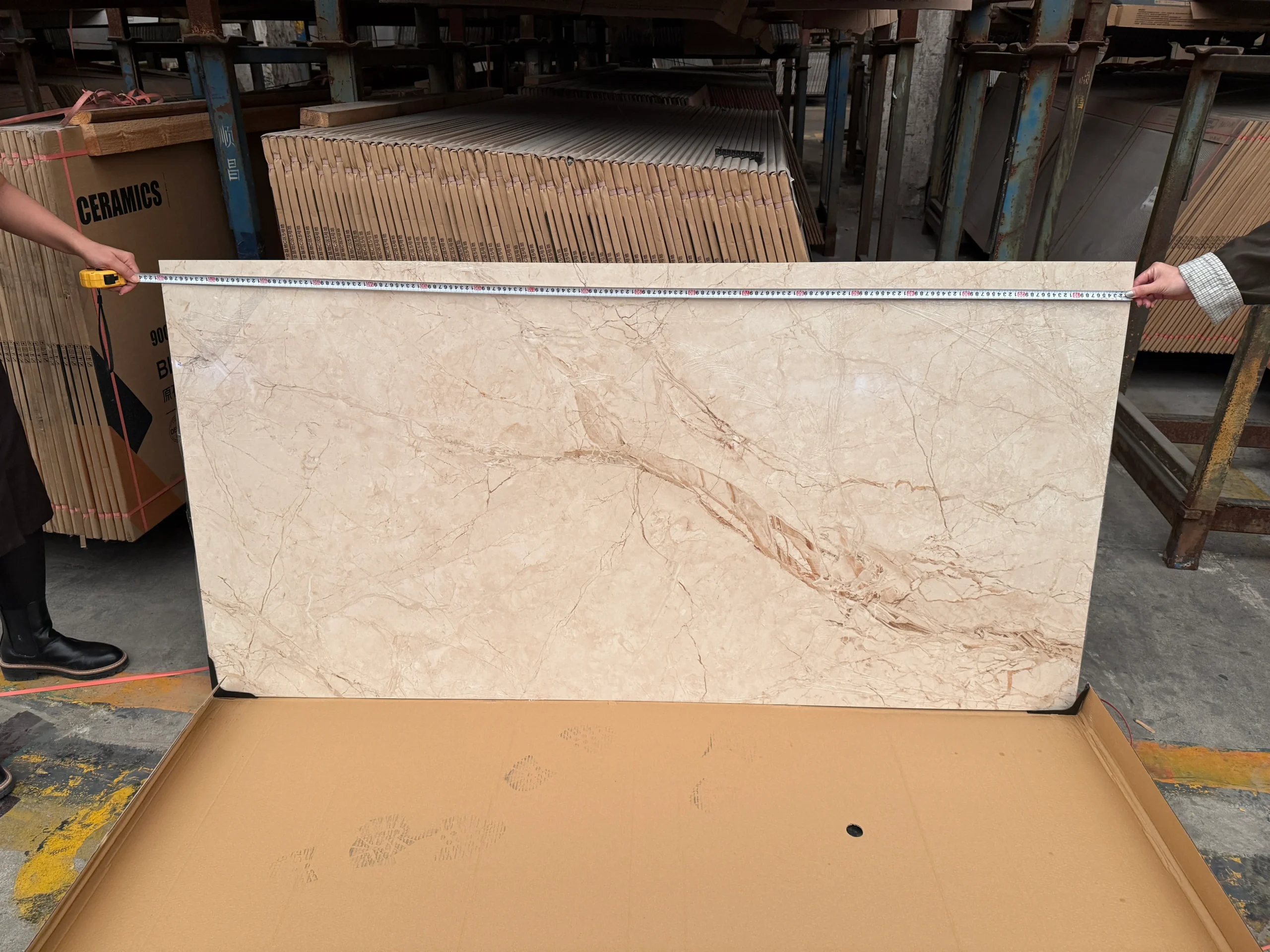
Flatness: Why Large Tiles Need More Careful Checking
Flatness becomes more important as tile size increases.
A small tile may hide slight curvature more easily. A large-format tile does not.
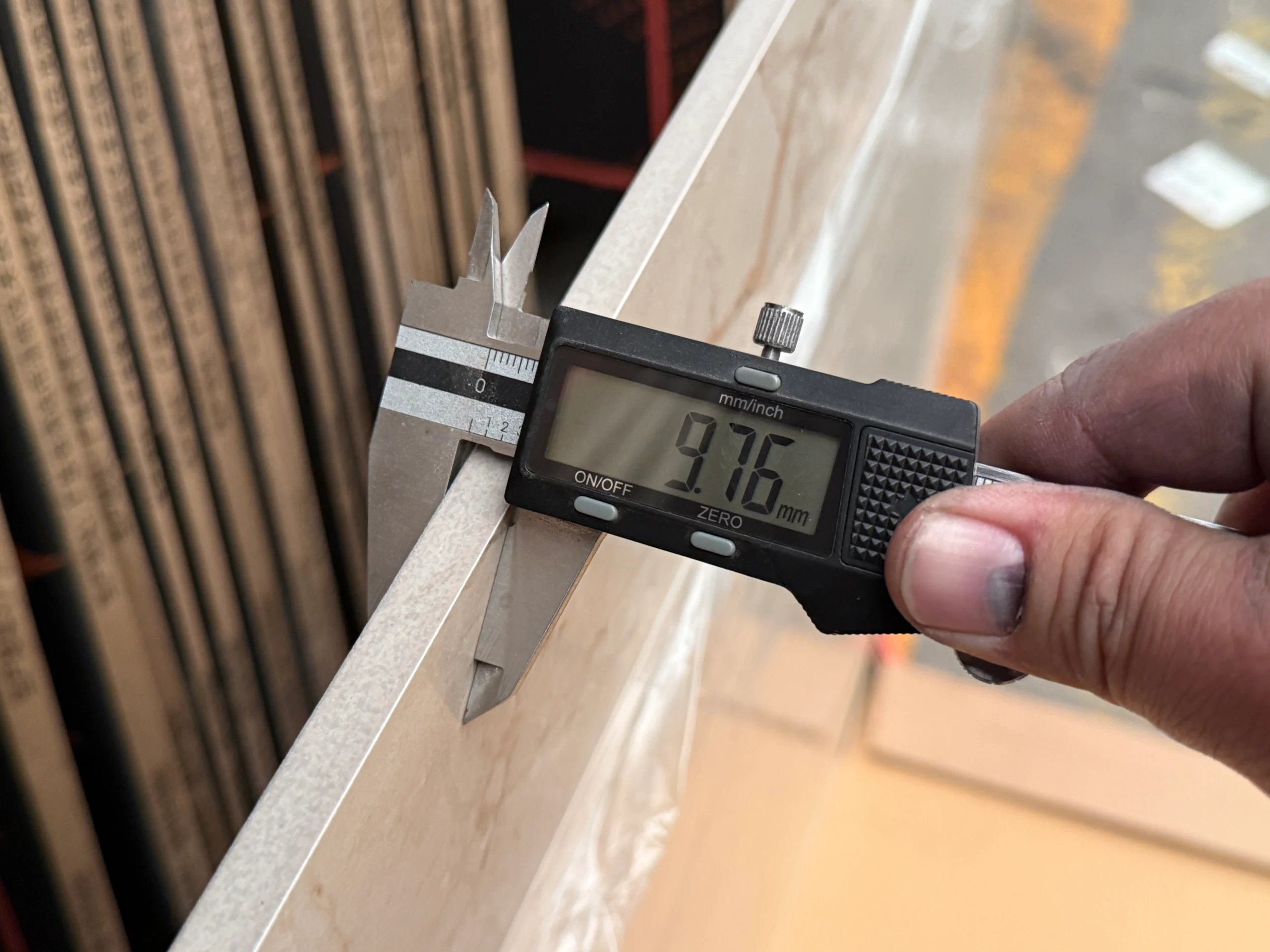
When a 600x1200mm, 750x1500mm or 900x1800mm tile is slightly curved, the issue may not look serious when one piece is placed on a table. But after installation, it can create lippage, uneven joints or visual complaints.
For villa living rooms, hotel lobbies, feature walls and large commercial floors, flatness should be checked carefully before shipment.
Large tiles are often chosen because they create a premium, continuous effect. But that premium effect depends on good production quality and suitable installation.
Inspection should check flatness, edge condition, corner condition and whether the bulk tiles match the approved sample. For large tiles and slabs, handling should also be careful because corners and edges can chip during movement.
International standards also show why dimension and surface quality are not only visual opinions. ISO 10545-2 covers determination of dimensions and surface quality for ceramic tiles, and ISO 13006 refers to ISO 10545 test methods for product characteristics.
For project buyers, the practical takeaway is simple:
A large tile should not be judged only by design.
It should be checked for whether it can be installed successfully.
For more details about large-size products, read 🔗Large Format Tiles from China: Sourcing Guide for Luxury Villas and Hotel Projects.
Water Absorption: Why the Tile Body Must Match the Application
Water absorption is easy to ignore because buyers often focus on color, surface and price.
But water absorption helps buyers understand whether the tile body matches the intended use area.
A porcelain tile, ceramic wall tile, outdoor tile, bathroom floor tile and pool-area tile may not have the same performance expectation. The buyer does not always need to run a laboratory test personally, but the supplier’s water absorption data should match the product type and application.
For example, a tile used for a wet bathroom floor or outdoor area should be discussed differently from a decorative indoor wall tile.
If a supplier says a tile is suitable for a certain use, buyers should ask for the relevant product information or test report. The report should match the actual product model, not only a general factory certificate.
ASTM C373 is one recognized test method related to water absorption and related properties for ceramic tiles and similar products. In sourcing practice, the important point is not to turn every buyer into a testing engineer.
The important point is to ask whether the data supports the intended use.
A tile may look good in a showroom, but the tile body still needs to match the project environment.
Packing: Why Good Tiles Still Need Export Protection
Good packing does not make bad tiles good.
But weak packing can turn good tiles into a shipping claim.
Tiles are heavy, brittle and sensitive at the edges. During export, they may be moved many times: factory to warehouse, warehouse to container, container to port, port to destination, destination warehouse to project site.
Every movement creates risk.
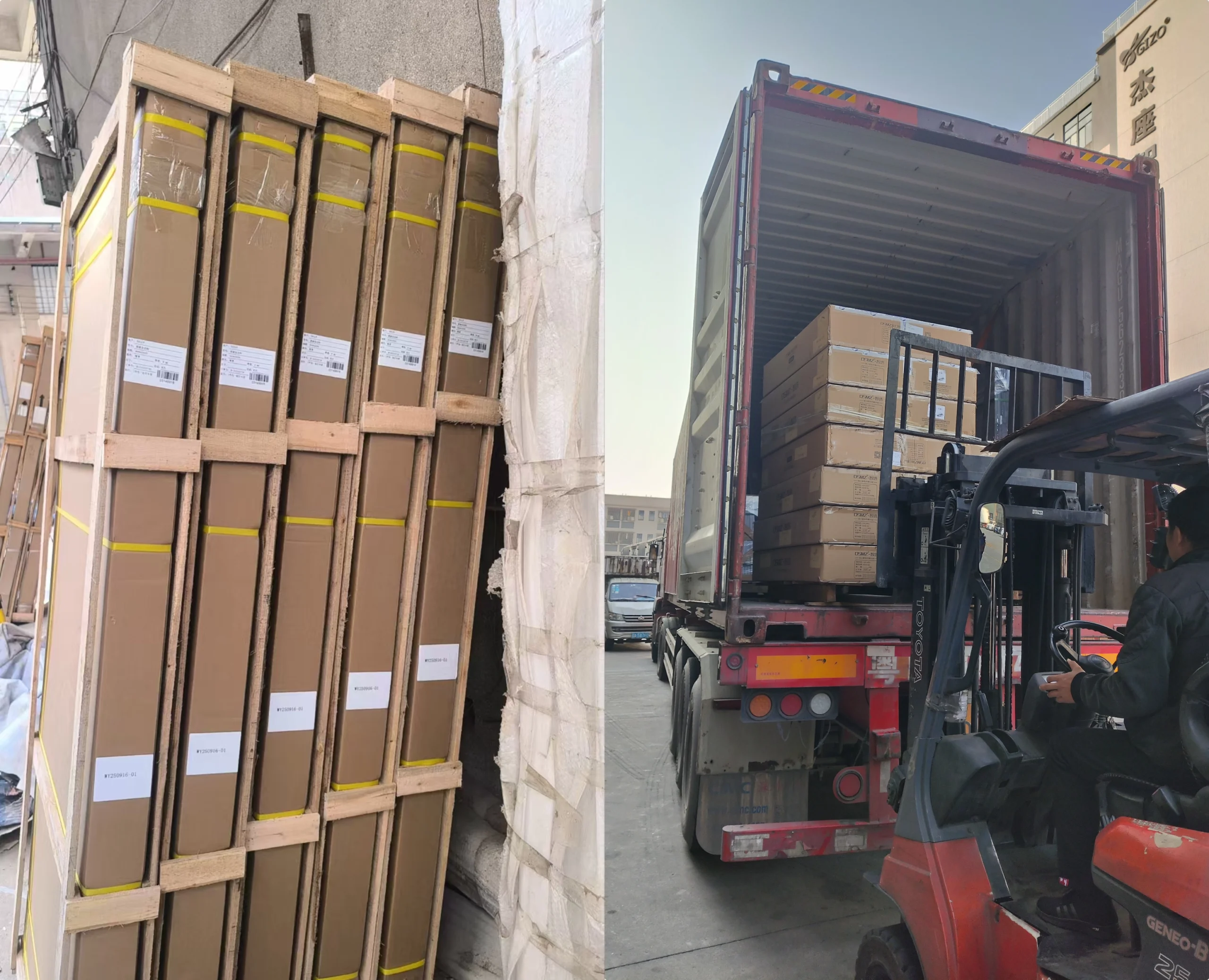
A proper packing check should look at cartons, pallets, labels, straps, corner protection and loading method. For ordinary porcelain tiles, strong cartons and pallets may be enough. For large-format tiles or slabs, stronger crates, wooden frames or special support may be needed.
Packing should also help the project stay organized.
Cartons should show clear product information, quantity, shade, caliber, batch and item code when needed. For hotel projects, labels by room, floor or area can make installation much easier after arrival.
When tiles are shipped together with cabinets, lighting, bathroom products or furniture, loading order becomes important. Heavy tile cartons should not crush fragile products. Slabs should not be squeezed by unsuitable cargo. Accessories and spare tiles should not be lost inside a mixed container.
A tile shipment is not complete when the cartons are closed.
It is complete when the goods are packed, labeled, loaded and protected for the full journey.
How Quality Control Changes for Villas, Hotels and Restaurants
Different projects need different inspection priorities.
A villa buyer may care most about visual consistency. Large living room tiles, bathroom wall tiles and feature-wall slabs need shade control, flatness and surface quality because the owner will see these areas every day.
A hotel buyer needs consistency across many rooms. The risk is not one broken tile. The bigger issue may be shade difference between batches, missing spare tiles, wrong room-area labels or mixed cartons that slow down installation.
A restaurant buyer may need stronger practical checking. Floor tiles should match cleaning, traffic and slip-feel expectations. Packing should also be planned carefully if the shipment includes tables, chairs, lighting and kitchen equipment.
In all three cases, the inspection should follow the project use.
The buyer should not ask only:
Are the tiles good?
The better question is:
Are these tiles good enough for this exact project area, installation plan and shipment method?
That question leads to better quality control.
Factory Inspection vs Warehouse Inspection: Where Problems Are Easier to Find
Tile quality control can happen at different places.
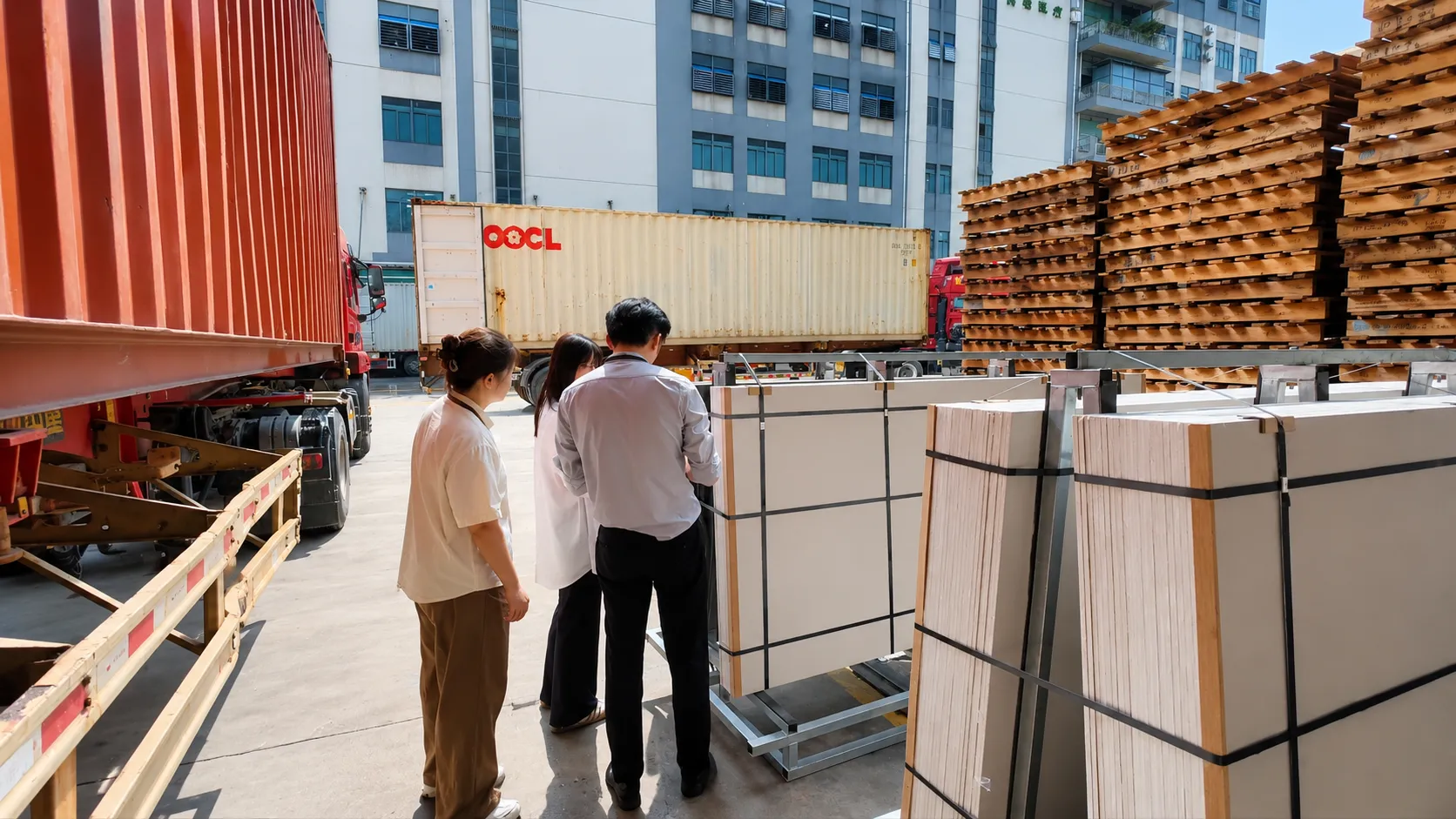
Factory inspection is useful when the buyer wants to check production condition, batch, packing and goods before they leave the supplier. Problems can often be corrected faster at the factory because the supplier still has access to stock, production records and packing materials.
Warehouse inspection is useful when goods from multiple suppliers are collected together.
For villa, hotel and restaurant projects, this is common. Tiles may arrive at the warehouse together with bathroom products, cabinets, lighting, furniture, doors or decorative wall panels. At that stage, the sourcing team can check whether quantities, labels and packaging match the full shipment plan.
Both inspections have value.
Factory inspection is better for catching supplier-side quality issues early. Warehouse inspection is better for mixed-container coordination, label matching, packing review and loading preparation.
For complex projects, buyers may need both.
The purpose is not to make the process complicated.
The purpose is to find problems at the point where they are easiest to fix.
What Photos and Videos Should Be Collected Before Loading
Photos and videos are important because overseas buyers cannot always visit the factory or warehouse in person.
But not all photos are useful.
A few beautiful close-up photos of the tile surface do not prove that the shipment is ready.
Before loading, buyers should receive clear photos or videos showing the approved sample comparison, bulk tile surface, carton labels, shade and caliber codes, carton condition, pallet condition, quantity, packing marks and warehouse layout.
For large-format tiles, videos showing handling, flatness checking and edge condition can be useful. For hotel projects, photos of labels by room, floor or area can reduce confusion after arrival.
For mixed containers, loading photos should show how tiles are positioned with other products.
This helps protect the buyer if there is a later dispute. It also helps the project team prepare for unloading.
Good inspection media should answer a practical question:
Can the buyer understand what was checked before the goods left China?
A Realistic Tile Quality Control Scenario in China
A villa buyer approves a 750x1500mm living room tile from a Foshan showroom sample.
The sample looks good. The quotation is accepted. The supplier says the bulk goods are ready.
Before shipment, the inspection should not only check whether the cartons exist.
The team should compare the bulk tiles with the approved sample, check whether the shade and caliber are consistent, review flatness for large-format installation, inspect edges and corners, confirm pallet strength and make sure spare tiles are included.
A hotel buyer may need bathroom wall and floor tiles for many rooms.
For this project, the inspection should check shade, batch labels, room-area labeling, spare quantity and whether different cartons are clearly separated for installation.
A restaurant buyer may choose textured anti-slip tiles.
For this project, the inspection should check surface consistency, cleaning practicality, carton labels, packing strength and whether the tiles can be loaded safely with chairs, tables, lighting and kitchen equipment.
These are different projects, so quality control should not be identical.
The inspection should follow the real project risk.
How a China-Based Sourcing Team Helps
A China-based sourcing team can help buyers control tile quality before the goods leave China.
This support may include sample comparison, factory communication, batch checking, shade and caliber review, flatness checking, packing inspection, warehouse receiving and loading supervision.
For project orders, the role becomes more important because tiles are often not shipped alone.
A villa, hotel or restaurant project may include tiles, large slabs, bathroom products, cabinets, doors, lighting, furniture, decorative wall panels and kitchen equipment. Each product has a different packing and loading risk.
Cody Sourcing works with tile, slab, bathroom, furniture, cabinet, lighting and building-material suppliers across Foshan and other Chinese manufacturing regions.
For tile quality control in China, the value is not only taking inspection photos.
The value is knowing what to check before shipment, what can still be corrected, and how to protect the full project before the container leaves.

Common Mistakes to Avoid
Many buyers inspect only the surface and forget shade, caliber and batch labels.
This is risky because installation problems are often caused by consistency issues, not only visible defects.
Another mistake is checking only one carton. A shipment may look good from the first opened carton, but other pallets may contain a different batch, weaker packing or damaged cartons.
Some buyers also ignore packing because the tile itself looks fine. But weak packing can cause damage during trucking, loading, sea freight and unloading.
Another common mistake is receiving photos without context. A close-up photo of one tile does not show quantity, labels, batch, pallet condition or loading method.
The final mistake is treating water absorption as a technical detail that does not matter. For bathrooms, outdoor areas and other wet-use areas, the tile body should match the application.
Most tile quality problems can be reduced when buyers inspect before shipment, not after arrival.
Final Thoughts
Tile quality control in China is not only about rejecting defective pieces.
It is about protecting the project before the goods leave the country.
Shade, caliber, flatness, water absorption and packing all affect the final installation result. If these details are ignored, a good-looking sample and a cheap quotation may still create problems at the project site.
For villas, hotels, restaurants and commercial projects, buyers should check whether the tiles match the approved sample, belong to the right batch, fit the application, and are packed safely for international shipment.
The safest approach is simple:
Do not wait until the tiles arrive overseas to discover problems that could have been found in China.
That is where real quality control value appears.
